Does alcohol raise cholesterol?
Yes, it can. HEART UK says your liver turns alcohol into cholesterol and triglycerides. It may lift your good HDL a little too. That doesn’t make any drink, red wine included, good for your heart.
On this page
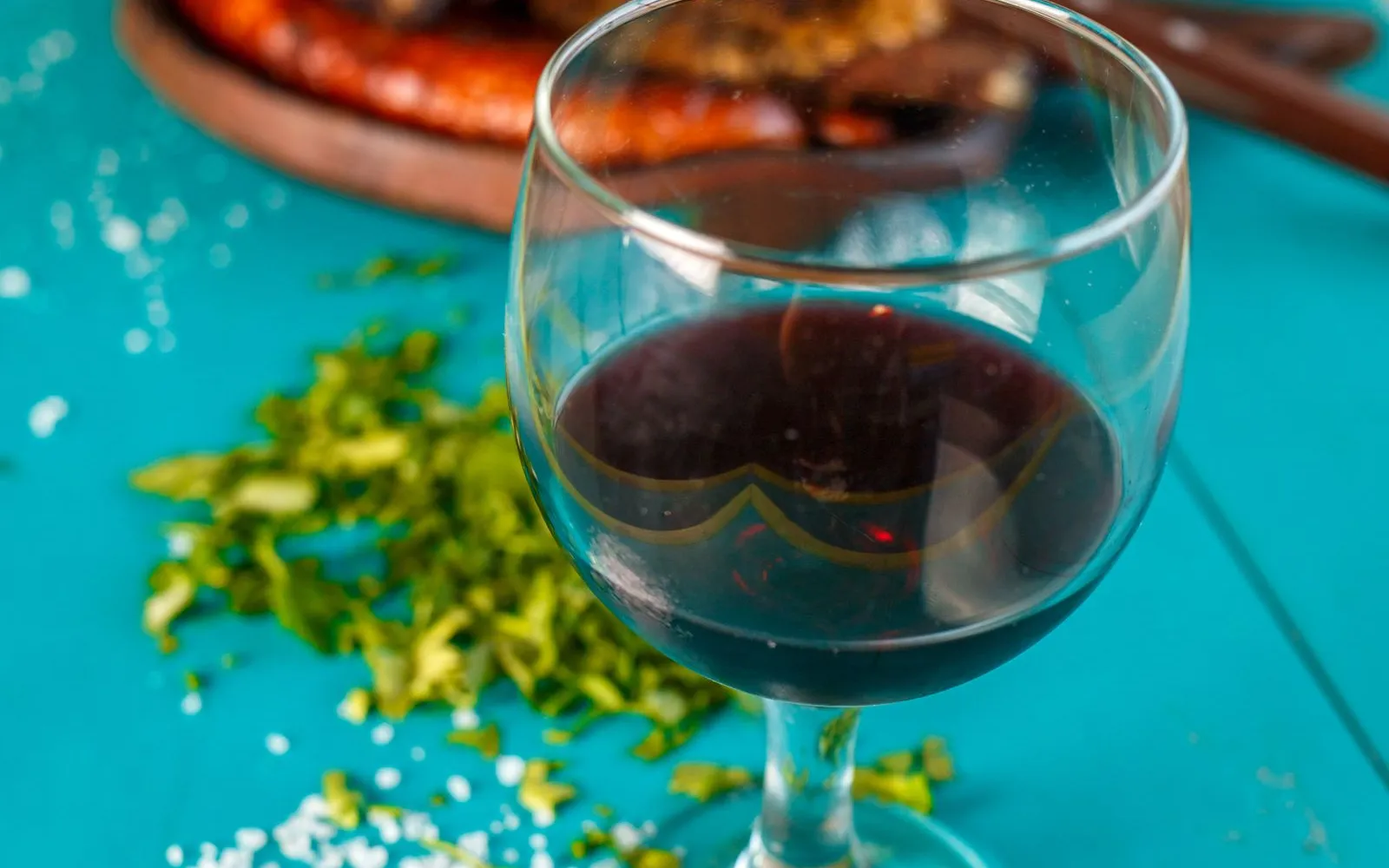
Does alcohol raise cholesterol?
Yes. When you drink, your liver breaks the alcohol down and rebuilds it as triglycerides and cholesterol. So HEART UK says drinking raises both in your blood.
Triglycerides are another blood fat on your results. If they get too high, they can build up in your liver as fatty liver disease. Then your liver can’t clear cholesterol as well, so your cholesterol rises.
| Line | What alcohol can do | Healthy level (mmol/L) |
|---|---|---|
| Triglycerides | Raise it. Some people react even to small amounts. | Below 2.0 non-fasting, below 1.7 fasting |
| Total cholesterol | Raise it. If triglycerides get too high, fat in your liver can raise it further. | Below 5 |
| HDL (good cholesterol) | Lift it a little in trials. But alcohol can lead to high triglycerides with low HDL. | Above 1.0 (men) or above 1.2 (women) |
Sources: HEART UK; HEART UK: triglycerides; NHS; Brien 2011
The NHS lists drinking alcohol among the things that can cause high cholesterol, along with fatty food, smoking and being overweight. HEART UK says cutting down can help lower your cholesterol.
Next step: look at the triglycerides line on your last results. See high triglycerides if it’s over.
Doesn’t alcohol raise good cholesterol?
A little. A review of 44 trials in adults without heart disease found moderate drinking raised HDL by about 0.09 mmol/L on average. That’s small next to a healthy HDL above 1.0 or 1.2.
It doesn’t make drinking good for your heart. The NHS says the old view that some alcohol helps the heart has been revised. It now calls under 14 units a week low risk, not safe.
HEART UK says the only possible benefit is modest, for women over 55 drinking 5 units a week or less. In a genetic study of over 260,000 people of European descent, those with a gene variant that makes them drink less had lower odds of heart disease.
Don’t drink to raise your HDL. HEART UK says eating well and being active will do more. See how to raise HDL.
What is the best alcohol for cholesterol?
None is good for it. In trials, the effects on blood fats were similar for wine, beer and spirits. What counts is how much alcohol you drink.
Red wine has a healthy name, but the BHF says there’s no conclusive evidence it protects your heart. A BHF-funded study in mice used resveratrol, the grape-skin compound behind the claim, at the same as about 1,000 bottles of red wine a day.
| Drink | Strength | Units |
|---|---|---|
| Small glass of red wine (125ml) | 13.5% | 1.7 |
| Medium glass of red wine (175ml) | 13.5% | 2.4 |
| Large glass of red wine (250ml) | 13.5% | 3.4 |
| 14 units a week is about | 4% beer, 13% wine, 40% spirits | 6 pints, 6 medium glasses, or 14 single 25ml measures |
A large glass has twice the units of a small one. Pick the smaller size and a lower strength. To count your own, see alcohol units.
Can I drink alcohol with high cholesterol?
Usually, yes, within the limits. HEART UK says with high cholesterol it should be OK to drink up to 14 units a week. Spread them out, have alcohol-free days, and don’t have more than 6 units in 6 hours.
- 14 units a week or belowWithin NHS advice. Low risk, not safe.
- Above 14 units a weekAbove NHS advice. Worth cutting down.
Sources: NHS; NHS: risks of drinking
Think of 14 as a ceiling, not a target. The BHF calls it a maximum, not a target, and less is lower risk.
Some people need less. HEART UK says some are very sensitive even to small amounts, and may need to cut down more if their triglycerides are raised. Some health problems and treatments mean it’s safer not to drink at all.
On a statin? See statins and alcohol. Never stop or change a prescribed medicine without your prescriber. Ask your doctor or nurse what’s safe for you.
How to cut down on alcohol
Six ways to drink less this week
- Keep to 14 units a week or less, spread over 3 or more days.
- Have several drink-free days each week.
- Swap to a lower-strength drink, or a bottle of beer instead of a pint.
- Only drink with a meal, and take the bottle off the table.
- Alternate each drink with a soft drink or water.
- Make drinks last longer with ice, water or mixers, and drink more slowly.
Pair these with food changes. See how to lower cholesterol and your liver and cholesterol.
Want to know if it’s working? Ask your GP about a repeat test. If you drank the night before, read alcohol before a blood test first.
When to speak to a GP
Book an appointment if:
- You’re struggling to cut down. The NHS says to ask your GP for help.
- You often feel the need to have a drink, others warn you about your drinking, or you think it’s causing you problems. A GP is a good place to start.
- You get signs of alcohol withdrawal: anxiety after waking, sweating and mild tremors, nausea or retching in the morning, or vomiting. If you’re physically dependent, stopping overnight could be harmful, so get advice first.
- Your triglycerides are 10 or more. NICE advises a repeat fasting test, and urgent specialist review above 20 if alcohol or poorly controlled diabetes doesn’t explain it.
- You have a health problem or take a treatment and aren’t sure if alcohol is safe for you. HEART UK says to ask your doctor or nurse.
Call 999 for severe alcohol withdrawal: hallucinations, severe tremors, or seizures or fits. Drinkline is free on 0300 123 1110.