Do you need antioxidant supplements?
Antioxidants may help protect your cells from damage. Most people get enough from food. In 78 trials, antioxidant pills didn’t help people live longer, and two kinds, beta-carotene and vitamin E, seemed to raise deaths.
On this page
Do antioxidant supplements work?
Not for keeping you alive longer. A Cochrane review (a careful summary of all the good trials) pooled 78 trials with nearly 300,000 adults. It found no evidence that the pills prevent disease or early death, in healthy people or in people with a long-term illness.
The NHS says most people should get all the nutrients they need from a varied, balanced diet.
| Supplement | Trials | Deaths compared with a dummy pill |
|---|---|---|
| Beta-carotene | 26 | About 5% higher. |
| Vitamin E | 46 | About 3% higher. |
| Vitamin A | 12 | No clear effect. Higher doses were linked to more deaths. |
| Vitamin C | 29 | No clear effect. |
| Selenium | 17 | No clear effect. |
Source: Cochrane review, best-run trials
The two are beta-carotene and vitamin E. The review says they seem to increase deaths, and higher doses of vitamin A may too.
That’s a small rise. But it’s a rise from a pill people buy to protect themselves.
Already taking one? Check the label against the NHS amounts further down.
What are antioxidants?
Your cells make very reactive forms of oxygen as they work. Too many may damage cells and may play a part in heart disease and cancer.
Antioxidants help keep that in check. Your body makes its own, and these are its main defence. Food tops them up, such as fruit, veg and grains.
Think of a kitchen while you cook. Some mess is normal, and you already have a cleaning team. A little help keeps up with it.
Tipping in a lorry-load of cleaning spray doesn’t make it cleaner. It can get in the way. In the same way, large amounts may interfere with your cells’ own defences and signals.
So aim for enough from food, not as much as possible.
Which vitamins are antioxidants, and how much do you need?
The big trials tested vitamins A, C and E, beta-carotene and the mineral selenium. Your body turns beta-carotene into vitamin A.
| Nutrient | Adults need a day | NHS: supplements unlikely to harm at |
|---|---|---|
| Vitamin C | 40mg (aged 19 to 64) | Less than 1,000mg a day |
| Vitamin E | 4mg men, 3mg women | 540mg (800 IU) or less a day |
| Vitamin A | 700µg men, 600µg women (aged 19 to 64) | An average of 1.5mg or less a day, from food and supplements together |
| Beta-carotene | Enough from a varied diet | No more than 7mg a day unless a doctor advises it, and none if you smoke or were exposed to asbestos |
| Selenium | 75µg men, 60µg women (aged 19 to 64) | 350µg or less a day |
Sources: NHS vitamin C; NHS vitamin E; NHS vitamin A; NHS beta-carotene and selenium
A µg is a microgram, a thousandth of a milligram. IU means international units, another way labels measure vitamin E. A 1,000mg vitamin C tablet is 25 times what an adult needs.
More than 1,000mg of vitamin C a day can cause stomach pain, diarrhoea and wind. These should go once you stop. See liposomal vitamin C for the high-dose kind.
Watch vitamin A in a multivitamin or fish liver oil. Over an average of 1.5mg a day for many years may make bones more likely to break as you get older. If you eat liver every week, don’t take a supplement with vitamin A.
Too much selenium can make hair and nails fall out. More in selenium supplements and do I need a multivitamin?
Are antioxidant supplements safe?
Not always. In a Finnish trial of 29,133 male smokers, men taking 20mg of beta-carotene a day got 18% more lung cancer. A US trial in smokers and asbestos workers was stopped early for the same reason.
Beta-carotene from food isn’t known to be harmful. The risk is from the pills, in people who smoke or have been heavily exposed to asbestos at work.
Vitamin E is the other one. Healthy men taking 400 IU a day had a 17% higher risk of prostate cancer than men on a dummy pill. That was about 1.6 extra cases per 1,000 men each year.
High doses of vitamin E may raise the risk of bleeding. They may also clash with blood thinners.
Vitamin C may clash with cancer treatments such as chemotherapy and radiotherapy. It can also worsen haemochromatosis, where the body stores too much iron.
Before you buy an antioxidant supplement
- 1
Check your plate
Most people get enough from a varied diet.
- 2
Check the dose
Compare the label with the NHS amounts above.
- 3
Smoke?
Smoke or exposed to asbestos? Skip beta-carotene. The NHS advises none.
- 4
On medicines?
Ask a pharmacist or GP first.
Never stop or change a prescribed medicine without your prescriber.
How do you get antioxidants from food?
Food is where the good news is. In studies that followed people for years, each extra 200g of fruit and veg a day was linked to about 10% lower risk of death.
That may come from other things in the food, or the habits of people who eat it. A pill gives one purified chemical in a big dose, which may act differently.
Five ways to get antioxidants from food this week
- Eat at least 5 portions of fruit and veg a day. A portion is 80g, such as 1 apple or 7 strawberries.
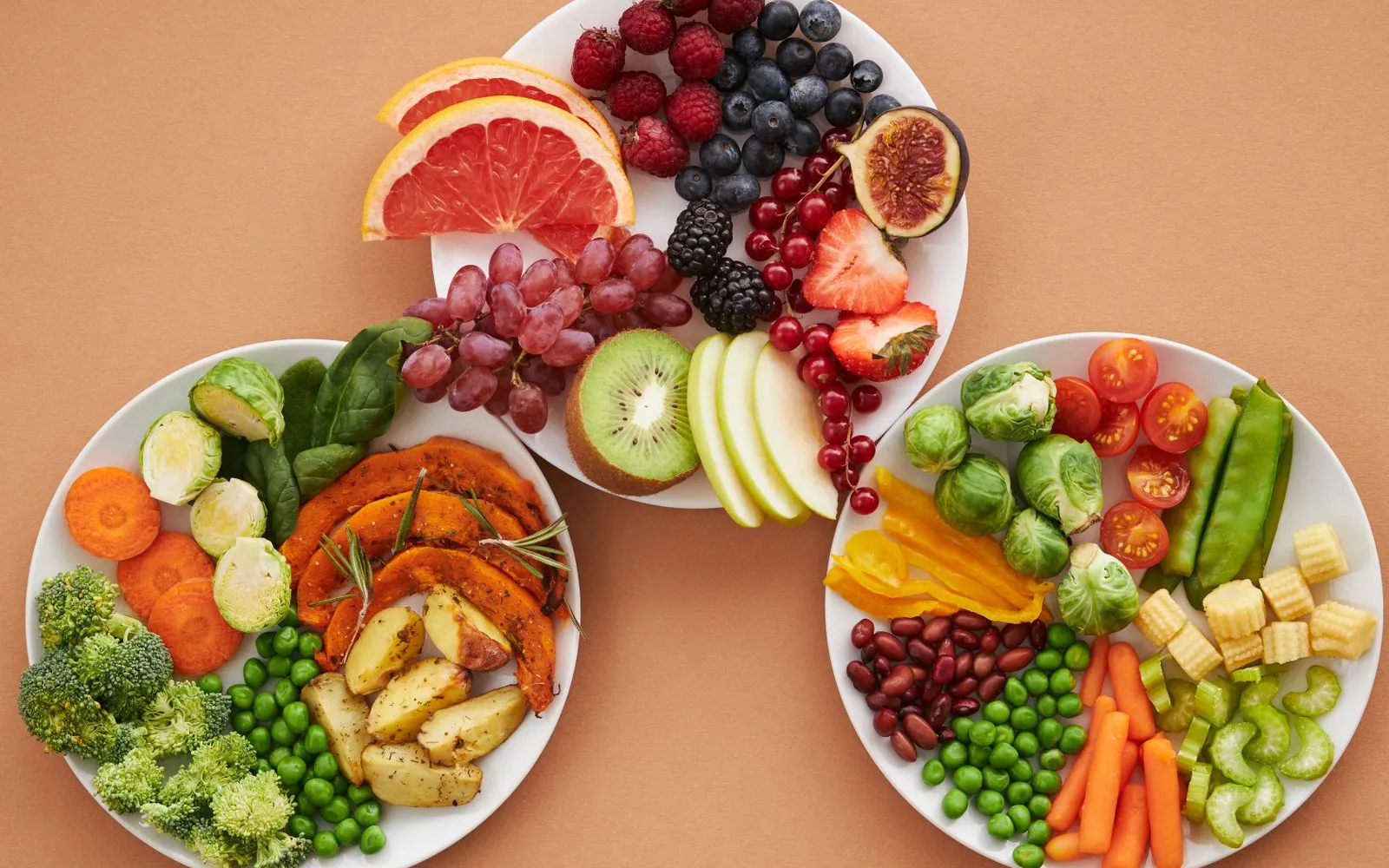
- For vitamin C, have oranges, peppers, strawberries, blackcurrants, broccoli or brussels sprouts.
- For beta-carotene, add spinach, carrots, red peppers, mango or apricots.
- For vitamin E, cook with rapeseed or olive oil, and snack on nuts and seeds.
- For selenium, include fish, meat, eggs or brazil nuts.
Sources: NHS 5 A Day; NHS portion sizes; NHS vitamins; NHS beta-carotene and selenium
Mix them up. Different fruit and veg hold different mixes of nutrients. Frozen, tinned and dried count too, so see frozen vs fresh veg.
When to speak to a GP
Most people don’t need an antioxidant supplement at all. Speak to a GP if:
- You have age-related macular degeneration (AMD), an eye condition, and want to try supplements. Some might help stop it getting worse, but they’re not suitable for everyone.
- You take blood thinners, have cancer treatment, or are pregnant or breastfeeding, and want to take one. Check with your care team first.
- You eat little fruit and veg and feel very tired and weak or irritable and sad all the time. Or you have joint, muscle or leg pain, or wounds that reopen or heal badly. These can be signs of scurvy, from too little vitamin C.
- You’re at risk of scurvy and have skin that bruises easily, swollen bleeding gums, or joint or leg swelling. Ask for an urgent GP appointment or call 111.
- You’re at risk of scurvy and have a high temperature, feel hot, cold or shivery, or have yellow skin or whites of the eyes. Ask for an urgent GP appointment or call 111.
Call 999 or go to A&E if you have:
- a rash that does not fade when you press a glass against it
- a sudden severe headache unlike any before
- a stiff neck
- sensitivity to light
- blurred or double vision
- slurred speech or weakness on one side of the body
- passing out or uncontrollable shaking (a fit)
- severe chest pain or difficulty breathing
- confusion or drowsiness