What’s the best probiotic for bloating?
There isn’t one best probiotic or supplement. US gut specialists say not to use probiotics for bloating. The NHS points to a different pharmacy shelf. But if you have IBS, a one-month trial may help.
On this page
What is the best probiotic for bloating?
No probiotic is proven best. The British Society of Gastroenterology (BSG), the UK body for gut doctors, says no single type (strain) can be recommended, even for IBS.
For bloating on its own, the American Gastroenterological Association goes further. Its 2023 expert advice is that probiotics should not be used to treat bloating.
| Who | What they say | For whom |
|---|---|---|
| NHS bloating page | Doesn’t list probiotics. Suggests a pharmacist for simeticone or laxatives. | Anyone bloated |
| NHS IBS page | Try probiotics for a month. They may help. | People with IBS |
| British Society of Gastroenterology | May help IBS pain and overall symptoms. No strain can be recommended. | People with IBS |
| American Gastroenterological Association | Probiotics should not be used to treat bloating. | Bloating on its own |
Labels are a weak guide too. Probiotics are sold as food, so the NHS says we can’t always be sure a pack holds the bacteria listed, or enough of them.
Or that they reach your gut alive. It’s like a parcel with no tracking: it may arrive intact, but you can’t count on it.
So skip the hunt for a best brand. Start with the steps below.
What are the best supplements for bloating?
That different pharmacy shelf holds simeticone, a medicine that helps break up gas bubbles. The NHS says a pharmacist can suggest it to help ease the bloating, and laxatives if you’re constipated.
| Option | Who it’s for | What the source says |
|---|---|---|
| Simeticone (a medicine that helps break up gas bubbles) | Anyone bloated | NHS: ask a pharmacist about it to help ease bloating. |
| Laxatives (medicines that help you poo) | Bloated and constipated | NHS: ask a pharmacist. |
| Soluble fibre, such as ispaghula (psyllium) | People with IBS | BSG: start at 3 to 4 g a day and build up slowly. |
| Peppermint oil | People with IBS | BSG: may help IBS pain. Acid reflux (heartburn) is a common side effect. |
| Lactase (helps you digest the sugar in milk) drops or tablets | Lactose intolerance | NHS: taken before food or drink with lactose, may cut symptoms for some people. |
| Probiotic | People with IBS | NHS: try one for a month. |
Sources: NHS; NHS IBS; NHS lactose intolerance; BSG 2021
Go slow with fibre. Too much too fast can itself cause bloating, so the BSG says to build up gradually. For IBS, it also says to avoid wheat bran, which may make symptoms worse.
Peppermint oil trials used specific products, so results may not carry over to every brand. Ask the pharmacist which one, and how to take it.
The NHS bloating page doesn’t mention digestive enzymes, charcoal or apple cider vinegar, so there’s no NHS backing to go on.
On a prescribed medicine? Check with a pharmacist first. Never stop or change a prescribed medicine without your prescriber.
More on timing fibre: when to take psyllium husk.
What helps gas and bloating without pills?
Gas is the most common cause. The NHS says the most common reason is a lot of gas in your gut, from some foods and drinks or from swallowing air.
Six NHS changes for gas and bloating
- Eat smaller, more frequent meals instead of large meals.
- Chew with your mouth closed to avoid swallowing air.
- Cut down on fizzy drinks, alcohol and caffeine.
- Eat less cabbage, beans and lentils, which are known to cause gas.
- If constipated, eat foods high in soluble fibre, such as oats or linseed.
- Exercise regularly to improve your digestion.
Sources: NHS bloating; NHS IBS; NHS farting
Have IBS? Check labels for sorbitol, a sweetener found in sugar-free sweets, chewing gum and drinks. The NHS says to avoid it, and to eat oats and up to 1 tablespoon of linseeds a day.
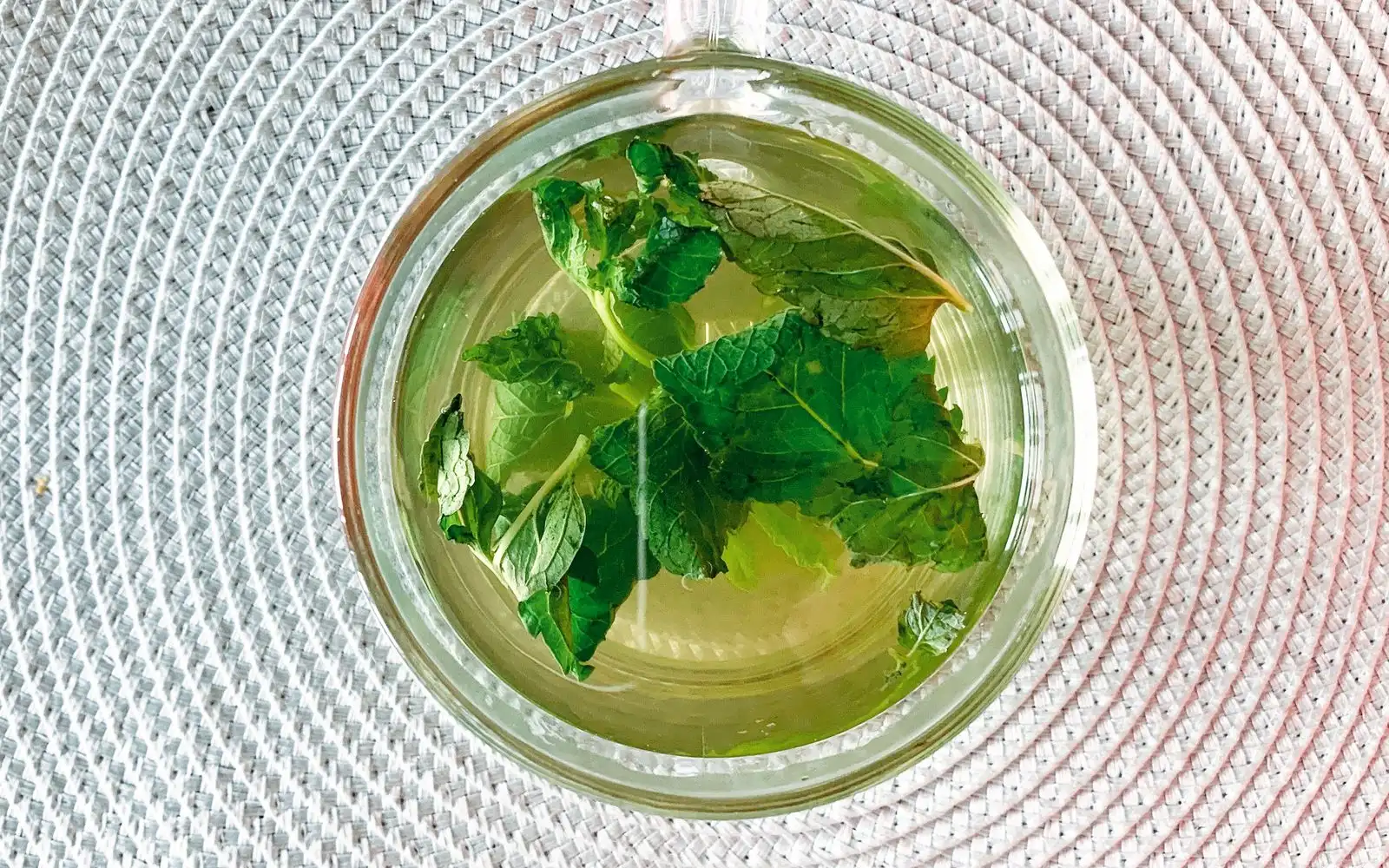
Lots of wind? The NHS also suggests peppermint tea, and rubbing your tummy from right to left to release trapped wind.
Pick two changes and try them for a week. For live yoghurt and kefir, see fermented foods and gut health.
How to try a probiotic if you have IBS
IBS is a gut condition a doctor diagnoses. It brings tummy pain, changes in your poo and often bloating. Here the evidence is kinder: probiotics may help pain and overall symptoms, across 45 trials.
A fair test of one probiotic
- 1
Pick one
One product at a time, so you know what helped.
- 2
Every day
Take it at the dose on the pack.
- 3
After a month
The NHS suggests a one-month trial. Note any change.
- 4
By 12 weeks
No better? Stop, says the BSG.
NICE also says to take it for at least 4 weeks at the maker’s dose. The BSG rates this evidence as very low quality. That’s why a set end point matters.
Have a health condition or a weakened immune system? The NHS says to talk to a doctor first.
More on the wider evidence: do probiotics work and probiotics with antibiotics.
Why do I keep getting bloated?
Bloating that keeps coming back can come from a problem with your digestion. The NHS lists constipation, a food intolerance, coeliac disease and IBS. Some people also feel bloated around their period.
US gut specialists say a blood test may rule out coeliac disease. See the coeliac blood test.
Think it’s milk? Don’t cut foods out without advice from a GP or dietitian.
Women: feeling bloated roughly 12 or more times a month can be a sign of ovarian cancer. These symptoms are very common and can have many causes, but the NHS says to see a GP.
Keep a diary of what you eat and any symptoms, then take it to your GP. For tests, see which tests check bloating and IBS.
When to speak to a GP
The NHS says to see a GP if:
- You feel bloated regularly.
- You’ve tried changing your diet but keep feeling bloated.
- You have bloating and weight loss you can’t explain.
- You have bloating and blood in your poo.
Ask for an urgent GP appointment or call 111 if you’re bloated and:
- you’re being sick, or have diarrhoea or constipation
- you have a stomach ache
- you have a high temperature, or feel hot, cold or shivery
- you have a swelling or lump in your tummy
- you can’t pee, poo or fart
- you have a burning feeling in your chest from acid reflux
Call 999 or go to A&E if your tummy is swollen and you:
- have a severe stomach ache that came on very suddenly
- are vomiting blood, or your vomit looks like ground coffee
- have severe difficulty breathing: you’re gasping, choking or not able to get words out
Do not drive to A&E. Ask someone to drive you or call 999.