What is a normal blood pressure for my age?
Ideal is up to 120/80, at any adult age. 140/90 or more at a clinic is usually high. But 6 in 10 over-65s in England have high blood pressure. Common isn’t healthy.
On this page
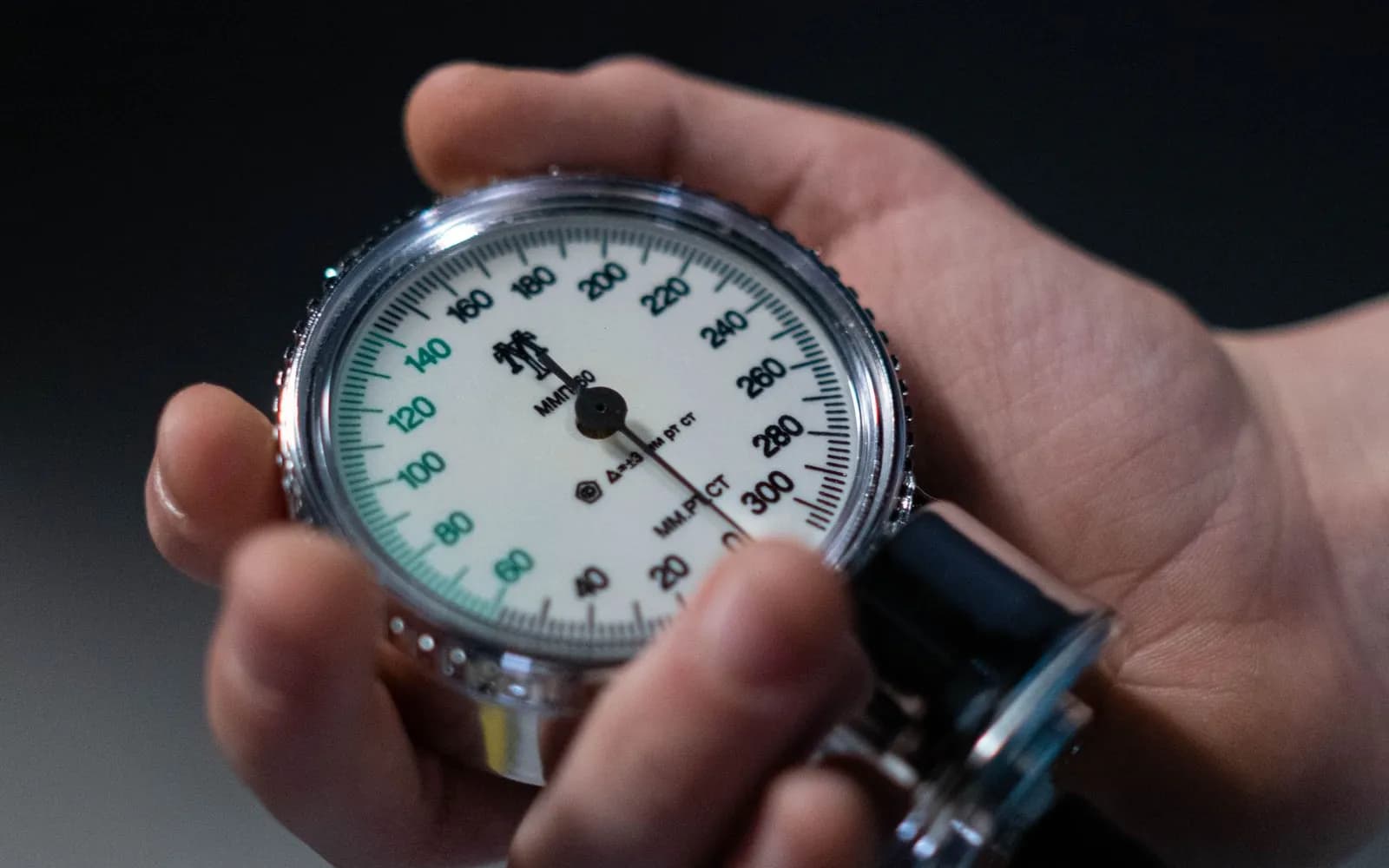
What does the blood pressure chart say is normal?
Ideal is 90/60 up to 120/80. Blood Pressure UK says its chart suits adults of any age, because the line for high blood pressure doesn’t change with age.
The top number is the systolic pressure, the highest point as your heart pumps. The bottom number is the diastolic pressure, the lowest point as your heart relaxes between beats.
| Reading | Band | What it means |
|---|---|---|
| Below 90/60 | Low | Usually not a problem. It can sometimes make you feel faint or dizzy. |
| 90/60 up to 120/80 | Ideal | Healthy, with a much lower risk of heart disease and stroke. |
| 120/80 up to 140/90 | Pre-high | Not high, but a little higher than it should be. |
| 140/90 or more at a clinic | Usually high | At home, an average of 135/85 or more. |
Sources: Blood Pressure UK; NHS: high blood pressure; NHS: low blood pressure
- Below 90 mmHgLow.
- 90 up to 120 mmHgIdeal.
- Above 120 to just under 140 mmHgPre-high. Not high yet.
- 140 mmHg or aboveUsually high. Needs more readings to confirm.
Sources: Blood Pressure UK; NHS
Only one of your numbers needs to be out. So at a clinic, 145/75 usually counts as high, and so does 130/95. At home, high usually means an average of 135/85 or more.
Got a reading like 130/80 or 150/90? See what it means in our blood pressure readings guide.
Does normal blood pressure change with age?
The healthy line doesn’t. Your readings usually do. In UK studies, the top number rises gently in early adult life, then speeds up in midlife.
| Age | Below 140/90, not on tablets | High blood pressure |
|---|---|---|
| 16 to 44 | 91% | 9% |
| 45 to 64 | 65% | 35% |
| 65 and over | 40% | 60% |
So what’s common after 65 isn’t what’s healthy. Think of a road where most cars do 60 in a 50. Sixty is normal there, not safe.
Going over doesn’t mean you’ll crash, but it makes a crash more likely. Higher readings are linked to more deaths from stroke and heart disease, from age 40 right up to 89.
Top number creeping up with age? Read about high systolic blood pressure.
Is the chart different for men and women?
No. Men and women use the same chart. What differs is how readings change over a lifetime.
Young men run higher. At 26, their top number was about 8 points higher than women’s. Women’s readings then rise faster and catch up by their 60s.
| Age | Men | Women |
|---|---|---|
| 16 to 44 | 11% | 8% |
| 45 to 64 | 39% | 32% |
| 65 and over | 59% | 60% |
Had good readings when you were younger? Don’t assume they still are. Get a fresh reading at a pharmacy or GP surgery.
What is normal blood pressure for older people?
The same chart as everyone else. What changes at 80 is the goal for people already treated for high blood pressure.
| Where it’s taken | Under 80 | 80 and over |
|---|---|---|
| At a clinic | Below 140/90 | Below 150/90 |
| At home | Below 135/85 | Below 145/85 |
Source: NICE NG136
For people who are frail or have several health conditions, NICE asks doctors to use their judgement. If you’re 80 or over with high blood pressure, it also advises checking your reading after you stand up.
Low readings matter too. Some people develop low blood pressure as they get older.
Being treated? Ask your GP or nurse which goal is yours.
Never stop or change a prescribed medicine without your prescriber.
How do I keep my blood pressure healthy?
Six NHS changes to start this week
- Build up to at least 150 minutes of exercise a week.
- Lose weight if you’re overweight.
- Avoid salty food, and don’t add salt to your meals.
- Don’t drink more than 14 units of alcohol a week on a regular basis.
- Cut down on caffeine from coffee, tea and cola.
- Don’t smoke.
Source: NHS: high blood pressure
The NHS says lowering your blood pressure even a small amount can help cut your risk.
Not sure where to start with exercise? See exercise and blood pressure.
Checking at home? Use our home blood pressure guide.
When to speak to a GP
High blood pressure usually has no symptoms. Get checked at a pharmacy or GP surgery if:
- You’re 40 or over and haven’t had your blood pressure checked for more than 5 years.
- Your reading is 140/90 or more at a clinic, or your home average is 135/85 or more.
See a GP if you keep getting dizziness or fainting, which can be a sign of low blood pressure.
Some signs need help sooner:
- You often have headaches or blurred vision, or chest pain that comes and goes. The NHS says to get help from 111.
- You have other symptoms you’re worried could be caused by high blood pressure. The NHS says to get help from 111.
Call 999 if you get sudden pain or discomfort in your chest that doesn’t go away. It can feel like squeezing, pressure, burning or indigestion. Call 999 too for pain that spreads to your arm, neck, jaw, stomach or back.
Call 999 too if you have chest pain and feel sweaty, sick, light-headed or short of breath.