Does evening primrose oil work?
No, not for eczema or breast pain. In the biggest reviews it did no better than a dummy pill. For PMS and menopause the proof is thin. One small trial found a hint of help.
On this page
Does evening primrose oil work?
Not for the things it’s best known for. The US government has a centre for complementary medicine (treatments used alongside or instead of standard medicine). It says there’s not enough evidence to back it for any health condition.
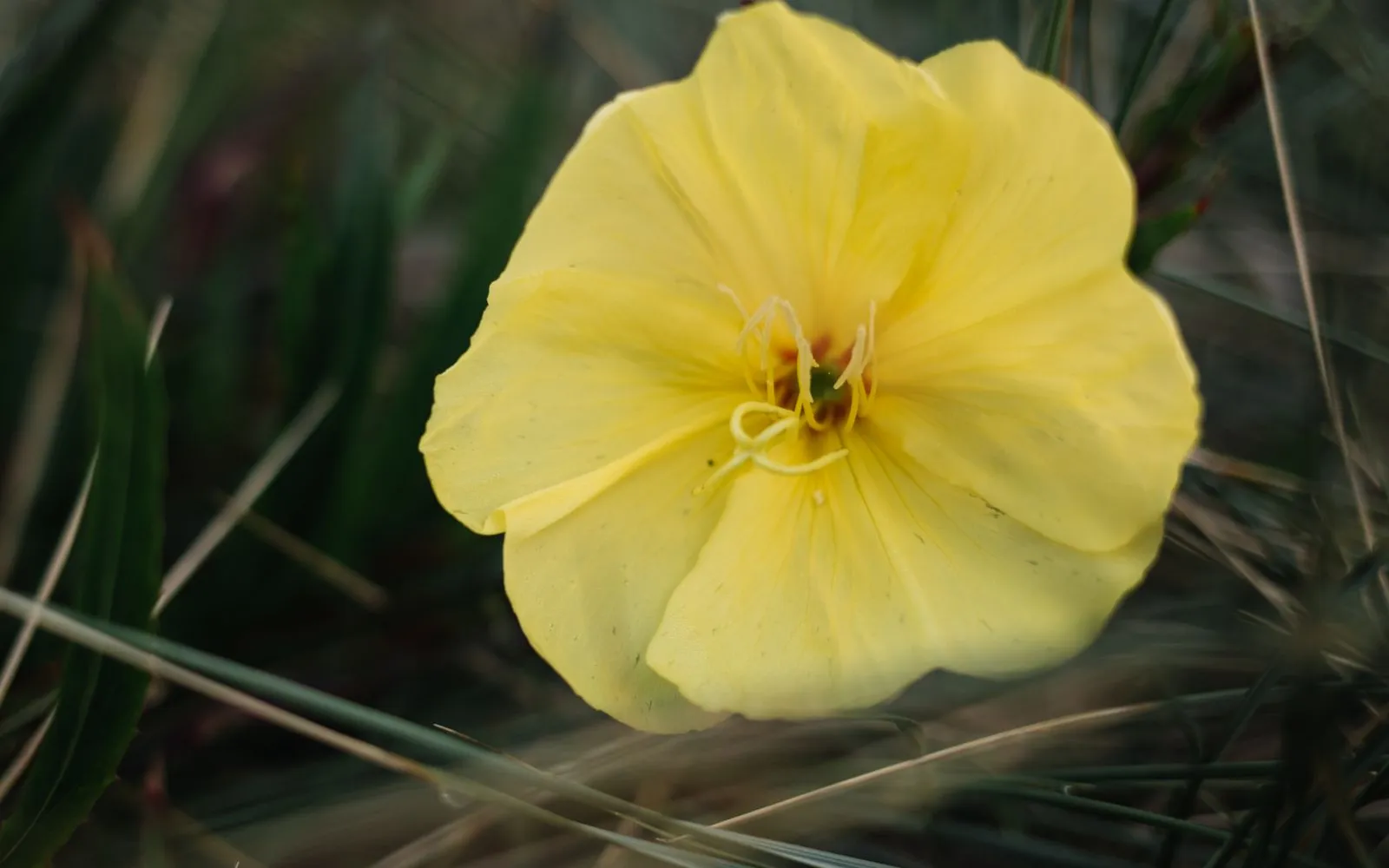
The oil comes from the seeds of a yellow flower. It’s rich in an omega-6 fat called GLA (gamma-linolenic acid). That fat is why people thought it might help eczema.
| Use | What trials found | Verdict |
|---|---|---|
| Eczema | 19 trials: no better than a dummy pill. | Cochrane: not an effective treatment. |
| Breast pain | 13 trials, 1,752 women: no more pain relief than a dummy pill. | NHS: little evidence it helps. |
| PMS | Not enough good trials. | Not enough evidence to say. |
| Hot flushes | 1 small trial: flushes got less severe, but not less often. | Too little to rely on. |
| Starting labour | Mixed results. | Long-term safety not known. |
Sources: NCCIH; Cochrane; NHS; Breast pain review; Hot flush trial
A dummy pill (placebo) looks the same but has nothing in it. If people do just as well on it, the improvement can’t be put down to the oil.
Pregnant, or taking warfarin? Read the safety section before you buy.
Does evening primrose oil help eczema?
No. A Cochrane review (a trusted summary of all the good trials) pooled 27 studies with 1,596 adults and children. Nineteen tested evening primrose oil taken by mouth.
Eczema improved about as much on the oil as on a dummy pill. The authors say it’s not an effective treatment for eczema. They add that more trials would be hard to justify.
What does help? The NHS says to use moisturisers (emollients) at least 2 times a day, and keep going even when your skin improves.
Itchy without a rash? See itchy skin and blood tests.
Is evening primrose oil good for menopause?
There’s not enough evidence to say. The hint of help comes from one hot flush trial.
In it, 56 women aged 45 to 59 in Iran took two 500 mg capsules a day, or a dummy pill, for 6 weeks.
| Hot flushes | Oil group improved | Dummy pill group improved |
|---|---|---|
| How often | 39% | 32% |
| How severe | 42% | 32% |
| How long | 19% | 18% |
Source: Farzaneh 2013
Both groups got better. Only the drop in how bad they felt was big enough to count as a real difference. One small, short trial can’t tell you it will work for you.
NICE, which writes NHS guidance, says the safety, quality and purity of unregulated products (ones not checked like medicines) may be unknown. The NHS says to talk to a doctor before taking herbal supplements for menopause.
For options with more evidence, see hot flushes, menopause supplements and natural alternatives to HRT.
Does it help breast pain or PMS?
Breast pain: probably not. The NHS says there’s little evidence it helps. A review of 13 trials with 1,752 women found no more pain relief than a dummy pill.
PMS: unknown. The NHS says supplements may help, but there’s not much evidence they work. A 2024 review found the oil didn’t show it worked for PMS.
| Problem | Try first | If that’s not enough |
|---|---|---|
| Breast pain | Paracetamol, ibuprofen or painkilling gel. A fitted bra by day and a soft one at night. | See a GP if it’s not improving. |
| PMS | Regular exercise, plenty of sleep, painkillers, and a symptom diary for at least 2 cycles. | A GP may suggest the combined pill, CBT or antidepressants. |
Sources: NHS: breast pain; NHS: PMS
CBT (cognitive behavioural therapy) is a talking therapy. Take your diary to the GP. For low mood or rage before periods, see PMDD symptoms.
Is evening primrose oil safe?
For most adults, probably, when taken by mouth. Less is known about children.
The usual side effects are tummy pain, feeling sick or diarrhoea. In the eczema trials, these were the same on the dummy pill. Those trials were short, so long-term effects weren’t studied.
On warfarin, a blood thinner? One study found the oil may increase bleeding.
Pregnant? It may be safe, but the evidence isn’t clear. Using it to start labour had mixed results.
The NHS says not to take herbal medicines if you’re pregnant or breastfeeding.
Before you take evening primrose oil
- Ask a pharmacist first if you take any medicine, especially warfarin.
- Don’t take it if you’re pregnant or breastfeeding.
- Don’t take it if you have kidney or liver problems.
- Don’t give it to children.
- Tell your GP and pharmacist what supplements you take.
Sources: NHS: herbal medicines; NCCIH; Cochrane
Never stop or change a prescribed medicine without your prescriber. Before mixing it with fish oil, see omega 3, 6 and 9 and herbal supplements and your liver.
When to speak to a GP
Book an appointment if:
- Your eczema treatments aren’t helping.
- Breast pain isn’t improving, or painkillers aren’t helping.
- You have breast pain and breast cancer runs in your family, or you have any signs of pregnancy.
- PMS affects your daily life, or lifestyle changes haven’t helped.
Get an urgent GP appointment or call 111 if breast pain comes with a very high temperature, or you feel hot, cold or shivery.
Do the same if part of a breast is red, hot or swollen. Or if you find a hard lump that doesn’t move, or nipple discharge that may be streaked with blood.
Also if a breast changes shape or the skin dimples like orange peel. Or if there’s a rash on or around the nipple, or the nipple sinks in.
For eczema, get an urgent GP appointment or call 111 if it’s blistered, crusty, leaking fluid or has pus spots. The same goes if it’s painful, swollen or warm, suddenly worse or bigger. Or if you have a high temperature or feel generally unwell.