How do you do a gratitude meditation?
Start with 5 minutes and one person you’re thankful for. It may lift your mood a little. But for anxiety and depression, gratitude exercises only just beat writing about a class timetable.
On this page
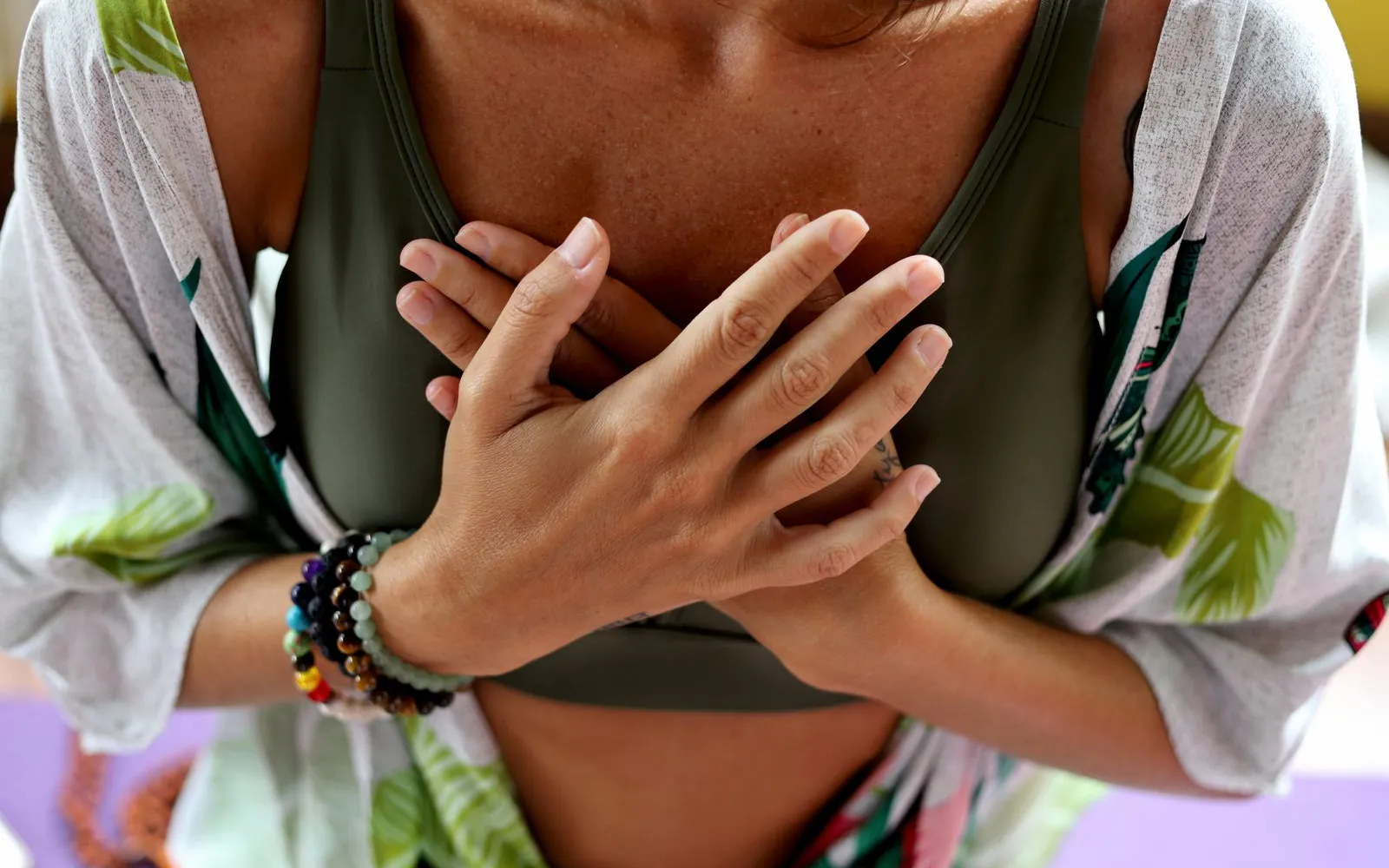
How to do a 5-minute gratitude meditation
Sit somewhere quiet. Take slow, deep breaths for 1 minute. Then spend 4 minutes picturing someone you’re grateful for, and thank them in your mind.
That’s the routine a 2017 study used with 32 healthy young adults. They pictured their mother. You can pick a friend, a partner or anyone who has helped you.
A gratitude meditation in 5 minutes
- 1
Breathe for 1 minute
Slow, deep breaths to relax and calm yourself.
- 2
Picture one person
Someone who has made a difference to you.
- 3
Thank them for 4 minutes
In your mind, tell them what they did and why it mattered.
- 4
Come back
When your mind wanders, gently bring it back to them.
Sources: Kyeong 2017; NHS: mindfulness
Heart rates were lower during the gratitude session than during one spent feeling angry and bitter towards someone (resentment). The gap lasted about 2 minutes.
One small study, so it may help you feel calmer for a short while, not change things for good. Try it once today and see how you feel.
Does gratitude meditation work?
For mood, a little. For anxiety and depression, barely. Most studies test gratitude exercises in general, not meditation alone.
| Study | What people did | What it found |
|---|---|---|
| Emmons 2003 | Listed things they were grateful for, weekly or daily. | A better mood was the clearest result. |
| Davis 2016, a review | Gratitude exercises against a different task. | A small lift in wellbeing. No clear change in anxiety. |
| Cregg 2020, 27 studies | Gratitude exercises against a dull task. | Only a small difference in anxiety and depression. |
| Diniz 2023, 64 trials | Gratitude exercises of many kinds. | Better mental health and fewer anxiety and depression symptoms. |
Sources: Emmons 2003; Davis 2016; Ohio State University on Cregg 2020; Diniz 2023
That class timetable was the dull task. For example, students might write about their class schedule instead of what they were grateful for.
The researchers say gratitude would not be something you would recommend as a treatment. They point to CBT, a talking therapy that helps you change unhelpful thoughts.
The 2023 review was more upbeat. Its authors suggest gratitude as an add-on to treatment for anxiety and depression.
Think of it like a cup of tea on a hard day. It can make the day feel a bit better. It won’t treat an illness.
Use it for a small lift. If worry or low mood won’t shift, see when to get help below.
Gratitude meditation or a gratitude journal?
Pick the one you’ll keep doing. The NHS suggests the journal version: write down 3 things that went well, or that you’re grateful for, at the end of every day.
| Practice | What you do | Suits you if |
|---|---|---|
| Gratitude meditation | 1 minute of slow breathing, then 4 minutes thanking one person in your mind. | You’d rather not write anything down. |
| Three good things | Write down 3 things that went well, or that you’re grateful for, each evening. | You like a short routine before bed. |
| Gratitude visit | Write a letter to thank someone who made a difference to you. Then read it to them. | There’s someone you’ve never properly thanked. |
Sources: Kyeong 2017; NHS: tips to reduce stress; Ohio State University
Saying thanks out loud counts too. The NHS lists saying thank you to someone as one way to help your wellbeing. Some studies show gratitude exercises can improve relationships.
Six ways to build a gratitude habit
- Pick a regular time, such as your morning journey or a walk at lunchtime.
- Start with 1 minute of slow, deep breaths.
- Spend 4 minutes picturing one person and thanking them in your mind.
- When your mind wanders, gently bring it back.
- Each evening, write down 3 things that went well, or that you’re grateful for.
- Say thank you to someone for something they’ve done for you.
Sources: NHS: mindfulness; Kyeong 2017; NHS: tips to reduce stress; NHS: 5 steps to mental wellbeing
New to meditation? Start with meditation for beginners.
Can gratitude help you sleep?
It may. A 2020 review looked at 19 trials of gratitude exercises that measured physical health or health habits.
Source: Boggiss 2020
Most studies had flaws that could skew their results. The authors say more research is needed before firm conclusions.
Want to try it at bedtime? Do your 3 good things, then the 5-minute meditation. For more sleep techniques, see meditation for sleep.
What if gratitude meditation makes me feel worse?
Try something else. The NHS says many people find mindfulness helpful, but some find it does not help, or that it can make them feel worse.
Feeling low makes it harder. The Ohio State researchers think people may struggle to do these exercises fully when they feel depressed or anxious.
Other options are breathing, muscle relaxation or getting active. Steps are in relaxation techniques and mental health and wellbeing.
Worry or low mood won’t lift? If you live in England and are 18 or over, you can refer yourself to NHS talking therapies. In some areas you can at 16 or 17.
When to speak to a GP
Gratitude can sit alongside care, not replace it. Speak to a GP or get help if:
- You think you may be depressed. The NHS says that means feeling persistently sad for weeks or months, not just a few days.
- You’ve lost interest in things you used to enjoy, or you feel hopeless or very tearful.
- You need urgent help for your mental health. Call 111 and choose the mental health option, or ask for an urgent GP appointment.
- Call 999 or go to A&E if someone’s life is at risk, or you don’t feel you can keep yourself or someone else safe. Don’t drive yourself to A&E.
Need to talk now? Samaritans are free on 116 123.
Not sure if it’s depression? See signs of depression.