Which hair loss products work?
No shampoo is proven to regrow hair. For pattern hair loss, the NHS names minoxidil, a scalp liquid or foam, for men and women. But it can make you shed more at first.
On this page
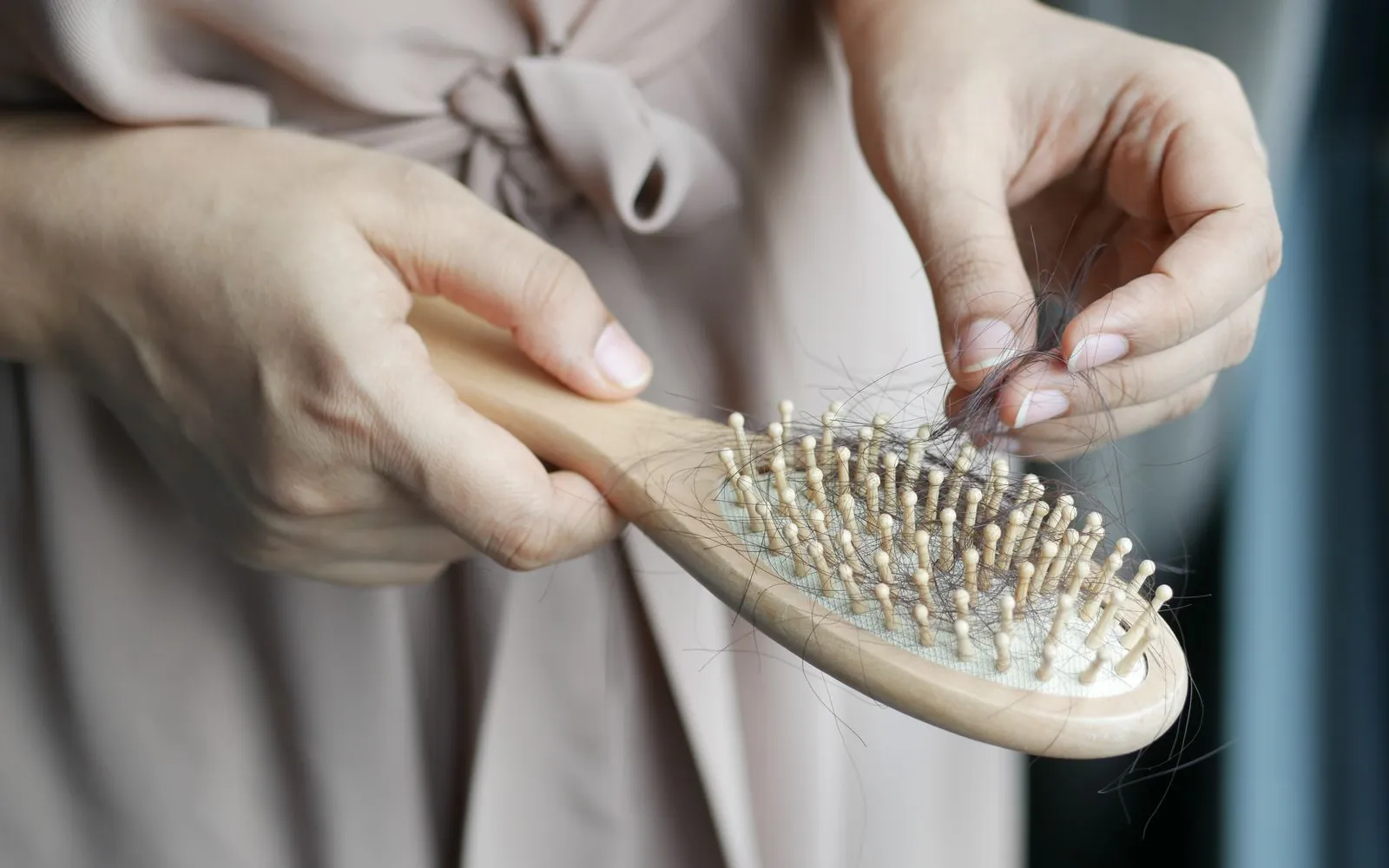
What is the best product for hair loss?
For pattern hair loss, look at minoxidil first. The NHS says minoxidil and finasteride are the main treatments. Only minoxidil is for women too.
Pattern hair loss is the kind that usually runs in families: a receding hairline or a thin crown in men, a wider parting in women.
No product works for everyone. The NHS says these treatments only work for as long as they’re used, and none is 100% effective.
| Product | What the evidence says | Who for |
|---|---|---|
| Minoxidil liquid or foam | May slow hair loss and partly regrow it. Works only while you use it. | Men (5%) and women (2% is licensed) |
| Finasteride tablets | May slow hair loss and possibly help regrowth. | Men only. Women should not use it. |
| Ketoconazole 2% shampoo | One small early study. Needs bigger trials. | Tested only in men |
| Thickening fibres | Hide thin patches. May wash off when hair gets wet. | Anyone |
| Laser combs and caps | Some research suggests a benefit. Results are mixed. | Men and women |
| Biotin tablets | No good evidence unless you lack biotin. | Not shown to help healthy people |
Sources: NHS; BAD (men); BAD (women); Cochrane; Piérard-Franchimont 1998; Patel 2017
Not sure it’s pattern loss? Losing 50 to 100 hairs a day is normal. Illness, stress, weight loss and low iron can cause hair loss that may be temporary.
So find the cause before you buy. The NHS says to see a GP first, before paying a hair clinic. Our hair loss blood test guide covers the checks.
Do shampoos for thinning hair work?
Not to regrow hair. No shampoo has strong trial evidence for that.
The closest is ketoconazole 2%, an anti-fungal shampoo. In a 1998 study of men with pattern loss, hair density and thickness improved about as much as with minoxidil. The authors said it needs testing in a larger group.
Thickening fibres are a disguise, not a treatment. The BAD says they may help hide thinning, but may wash away when hair gets wet and last only until you brush or wash it.
Biotin pills are sold for hair growth too. A review found not enough evidence they help healthy people. See our biotin guide, and our guide to rosemary oil against minoxidil.
Like your shampoo? Keep it. Just put your money for regrowth into something with evidence.
How do I use minoxidil, and why does my hair shed at first?
Spread it lightly on the thin areas of your scalp, not on the hair. It’s not on NHS prescription, so you usually pay.
What to expect on minoxidil
- 1
First 4 to 6 weeks
Some people shed more hair. It’s old hair making way for new.
- 2
Month 6
The earliest point to judge it. Men may need up to 12 months.
- 3
Keep going
Any gain lasts only while you use it.
- 4
If you stop
The benefit doesn’t last.
Sources: BAD (men); BAD (women); NHS
That early shed is old hair making way for new. The BAD says these hairs were at the end of their life and are being replaced by new growth. It’s the main reason not to quit in month one.
It can make your scalp dry, red, flaky or itchy. Don’t use it on cuts or open wounds. Women should avoid it if planning a pregnancy or breastfeeding.
Before you buy a hair loss product
- See a GP about the cause before you pay a hair clinic.
- For pattern hair loss, put minoxidil on your scalp, not your hair.
- Give it at least 6 months before you judge it.
- Expect possible extra shedding in the first 4 to 6 weeks.
- Wipe any minoxidil off your forehead and cheeks, so hair doesn’t grow there.
- Cover bald patches with sun block or a hat in the sun.
Sources: NHS; BAD (men); BAD (women)
What works for thinning hair in women?
Minoxidil again. The BAD says it may slow thinning and partly restore hair in some women. Only the 2% strength is licensed for women.
The 5% is for use on a health professional’s advice.
Source: Cochrane
So it helps more women than a dummy lotion, but most don’t see big change. In the same review, 2% and 5% worked about the same.
Skip finasteride. The NHS says women should not use it. In three small trials it did no better than a dummy pill for women, though the evidence was low quality.
Thinning after 40? See our guide to hair loss in perimenopause. With acne or irregular periods too, read about the PCOS (polycystic ovary syndrome) blood test.
Are hair loss tablets for men worth it?
Finasteride is a prescription tablet for men. The BAD says it may slow hair loss and possibly help regrowth. It can take up to 14 months to see a benefit, and loss restarts if you stop.
Weigh the side effects. Lower sex drive and erection problems affect about 2% of men who take it.
The MHRA, which checks UK medicines, also warns of depression and suicidal thoughts. If you get either, it says stop finasteride and get medical advice.
Never stop or change a prescribed medicine without your prescriber for any other reason.
Worried your testosterone is to blame? Read does testosterone cause hair loss.
When to speak to a GP
A GP may be able to tell the cause by looking at your hair. Book an appointment if:
- You’re worried about your hair loss, or it’s affecting how you feel. The NHS says tell your GP.
- You’re thinking of paying a hair clinic. See a GP about the cause first.
- Your hair is thinning and you have acne, more facial hair or irregular periods. These, or trouble getting pregnant, can be signs of PCOS (polycystic ovary syndrome, a common hormone condition).
- You’re losing hair and feel tired, short of breath, notice your heartbeat more (palpitations), get headaches or have paler skin than usual. These can be signs of iron deficiency anaemia (too little iron in your blood).
- You take finasteride and feel low or have thoughts of suicide. The MHRA says stop it and get medical advice.
If hair loss is getting you down, your GP may be able to help you get counselling. See also iron deficiency blood test.