Do heart health supplements work?
For most people, no. Trials of fish oil, vitamin D and multivitamins found little or no fall in heart events. And one popular capsule is linked to a higher risk of irregular heartbeat.
On this page
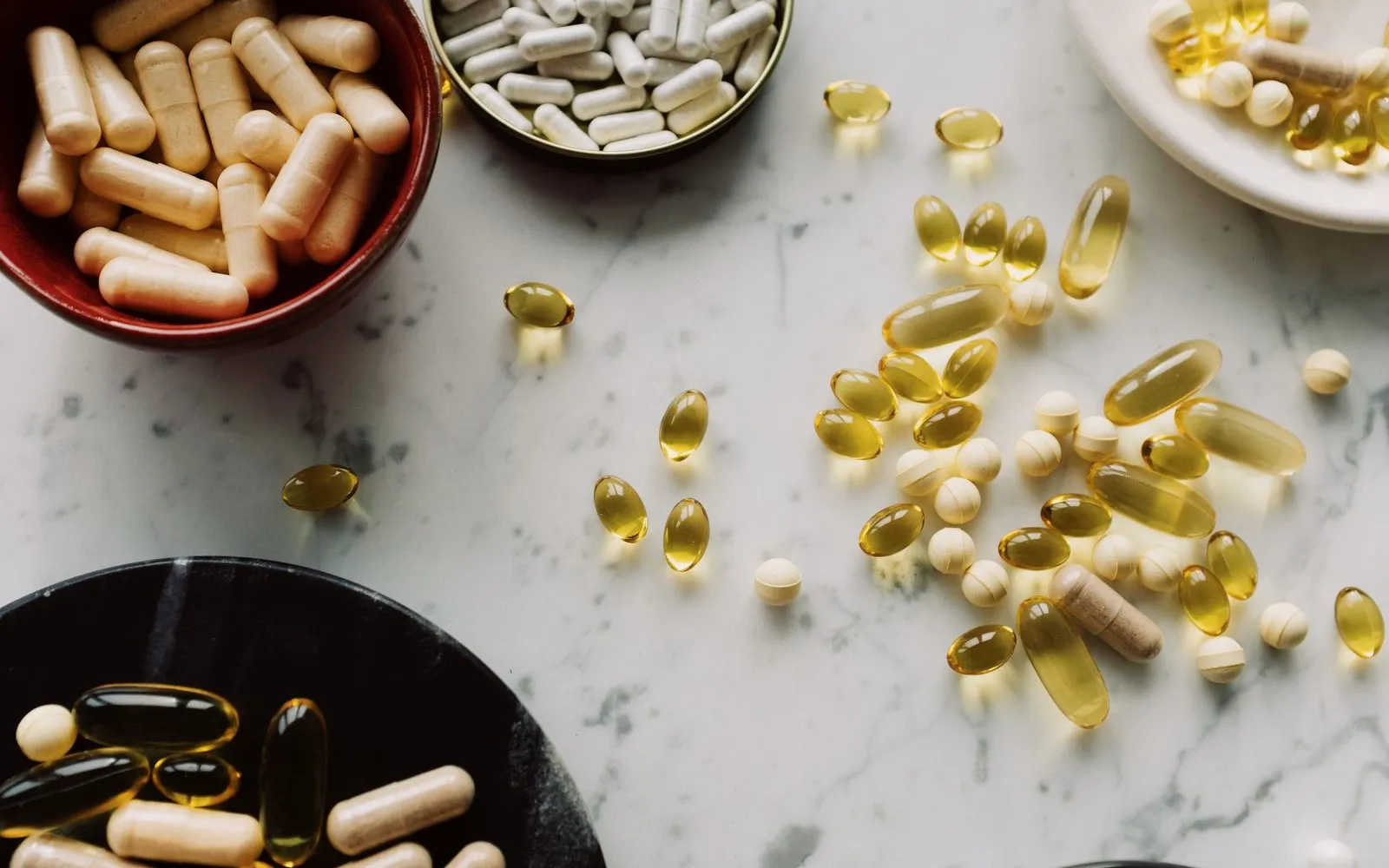
Do heart health supplements work?
Not for most people. The BHF says research shows supplements do not help to stop or improve heart and circulatory diseases. Some can even do harm.
Most people do not need supplements unless a doctor finds a lack and prescribes something, like iron. The one routine tip is vitamin D in the colder months.
| Supplement | What trials found | Verdict |
|---|---|---|
| Fish oil (omega-3) | Little or no effect on heart events. Lowers triglycerides (a blood fat) by about 15%. | NICE: don’t offer it to prevent heart disease. |
| Vitamin D | No fewer heart events in a 5-year trial of 25,871 people. | Consider 10 micrograms a day in autumn and winter, for bones and muscles. |
| Multivitamin | No fewer heart attacks or strokes in US male doctors over more than 10 years. | No heart benefit shown. |
| Vitamin E or beta-carotene (plant vitamin A) | Mixes with vitamin A are linked to a raised risk of death. | Avoid. |
| CoQ10 | One trial in 420 people with heart failure, on usual medicines, found fewer heart problems. | Benefit unclear. Not prescribed by UK doctors. |
| Plant sterols | Up to 3.3 g daily cut bad cholesterol by 6 to 12%. No trials show fewer heart attacks. | NICE: don’t advise them to prevent heart disease. |
| Garlic | May slightly lower blood pressure, mainly at high doses in people with high blood pressure. | Evidence not strong enough for guidelines to back it. |
Sources: BHF; BHF medicines; Cochrane; VITAL; PHS II; BHF CoQ10; BHF sterols; NICE NG238; NHS
A pill can’t undo a poor diet, the BHF says. So before you spend money on one, talk to your doctor.
What are the best vitamins for heart and circulation?
None has clear proof. A 2018 review found no effect from multivitamins, vitamins C and D, beta-carotene, calcium or selenium.
Source: VITAL
That trial gave 25,871 US adults in their 50s or older 2,000 IU (50 micrograms) of vitamin D a day, or a dummy pill. It ran for about 5 years. The dose was 5 times the UK daily amount.
In 14,641 US male doctors aged 50 or over, a daily multivitamin didn’t cut heart attacks, strokes or heart deaths over more than 10 years.
Avoid mixes of vitamin A, vitamin E and beta-carotene (a form of vitamin A found in plants). They’re linked to a raised risk of death.
For bones, teeth and muscles, the NHS says to consider 10 micrograms a day in autumn and winter. See how much vitamin D to take.
Is fish oil good for your heart?
Not much. A Cochrane review of 86 trials found more omega-3 had little or no effect on deaths or heart problems overall. It may slightly cut disease in the heart’s own arteries, but that evidence is weak.
That popular capsule is fish oil.
In 7 trials of adults averaging 65, it was linked to a higher risk of atrial fibrillation (AF), an unsteady heartbeat. The risk looked greater above 1 g a day.
A UK study of people aged 40 to 69 linked it to AF in people without heart disease. In people with heart disease, it was linked to fewer further heart problems. It can’t prove cause.
NICE says don’t offer omega-3 to prevent heart disease, except one prescription form for some people on a statin with high triglycerides (a blood fat).
For omega-3, eat oily fish like salmon or mackerel. More in omega-3 supplements.
Can supplements clash with heart medicines?
Yes. Some make heart medicines work less well. Others push the same effect too far.
| If you take | Ask first about | Why |
|---|---|---|
| Blood pressure tablets | Garlic, liquorice root, CoQ10, St John’s wort (a herbal remedy sold for low mood) | Blood pressure may drop too far, rise, or be harder to control. |
| Blood thinners | Vitamin E, high-dose omega-3, St John’s wort | A higher risk of bleeding, or of clots. |
| Warfarin (a blood thinner) | Vitamin K, CoQ10 | Both can affect how warfarin works. |
| Statins (cholesterol-lowering medicines) | St John’s wort, high-dose niacin (vitamin B3) | Less statin in your blood, or more side effects with no added benefit. |
Sources: BHF medicines; BHF CoQ10
On a statin? NICE says some supplements may interfere with statins. Check the leaflet, or ask a pharmacist or prescriber before you start one.
Muscle aches on a statin? The BHF says evidence does not support CoQ10 for them. Ask your doctor, as a change of dose or statin may help.
Never stop or change a prescribed medicine without your prescriber.
What helps your heart more than a supplement?
Food and daily habits. For most people, the BHF says, a healthy, balanced diet gives the heart everything it needs.
Six changes to make before you buy a heart supplement
- Have oily fish, like salmon or mackerel, in place of pies, sausages or fatty meat.
- Swap butter, lard and ghee for olive or rapeseed oil.
- Choose wholegrain bread, brown rice and wholewheat pasta.
- Do at least 150 minutes of moderate exercise a week, or 75 minutes of vigorous exercise.
- Stop smoking, and drink no more than 14 units a week, spread over 3 or more days.
- On heart medicines? Ask a pharmacist or prescriber before you add a supplement.
Sources: NHS; BHF medicines; NICE NG238
Want more help with cholesterol? Spreads with added plant sterols, at up to 3.3 g a day, can cut bad cholesterol by 6 to 12% in about four weeks. But no trials show fewer heart attacks or strokes.
More in supplements to lower cholesterol, supplements for blood pressure and garlic.
When to speak to a GP
Speak to a GP or pharmacist if:
- You take heart medicines, such as blood pressure tablets, blood thinners or statins, and want to try a supplement.
- You get muscle aches on a statin. Don’t stop your statin first.
- You think you may have symptoms of AF, or you have palpitations (a heartbeat that races, pounds or flutters) that keep happening or get worse.
- You think you may lack a vitamin or mineral. Apart from vitamin D in autumn and winter, most people only need a supplement for a diagnosed lack.
Call 999 if you have chest pain that feels tight or like squeezing, or spreads to your arms, neck or jaw. Also call if you’re gasping, choking or can’t get words out. Call if lips or skin turn pale, blue or grey, or someone passes out and isn’t responding normally.
Call 111 if you’re suddenly more short of breath than usual, or have chest pain and feel or are sick. Call 111 too if you have chest pain and your heart feels like it’s racing, going too slowly, skipping a beat or fluttering.
Call 999 if you have a fast or irregular heartbeat with chest pain, shortness of breath, sweating, or feeling or being sick. The same goes for fainting, dizziness, falling over, a severe headache, or weakness or numbness on one side of your face or body. Also call with blurred vision, loss of sight, confusion or trouble speaking.