Why do my legs feel heavy and tired all the time?
Notice when they feel worst. Heavy after standing and better with your feet up can point to your veins. Tired and aching all over has other causes. And one swollen leg can’t wait.
On this page
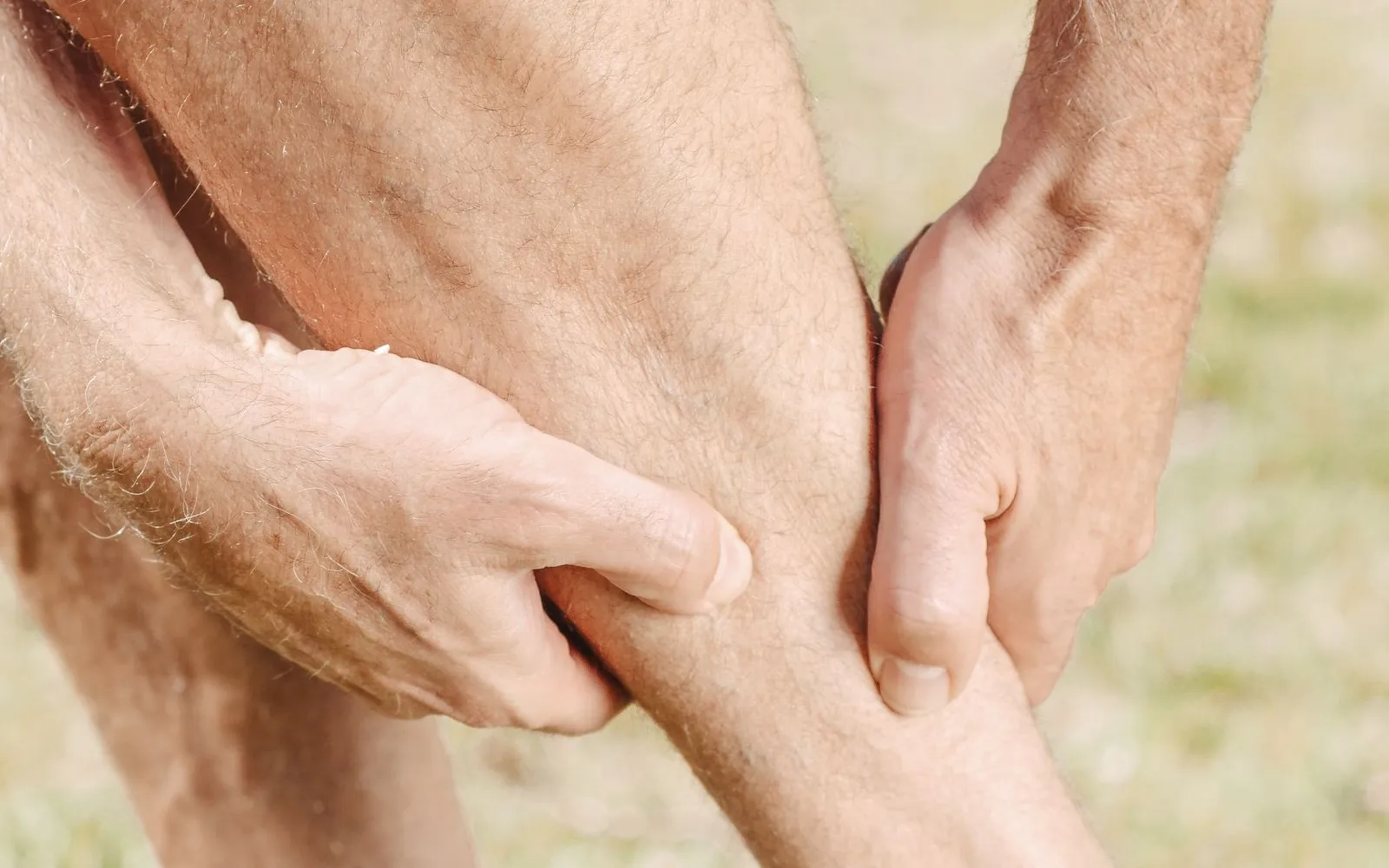
Why do my legs feel heavy and tired all the time?
The NHS links aching, heavy legs to varicose veins. The heaviness may be worse after standing for a long time and better when you rest with your legs up.
Calf pain that starts when you walk and stops after a few minutes’ rest is different. That can be peripheral arterial disease (PAD), where narrowed arteries cut blood flow to your legs.
Tired everywhere, not just your legs? Then look at sleep, stress and blood causes such as low iron.
| When it’s worst | What the NHS links it to | Next step |
|---|---|---|
| After standing or sitting all day. Better with your feet up. | Varicose veins, or fluid build-up (oedema) | Legs up, keep moving. GP if painful, itchy or swollen. |
| Calf pain when you walk. Stops after a few minutes’ rest. | Narrowed leg arteries (PAD) | See a GP. |
| At night when resting, with a strong urge to move. | Restless legs syndrome | Self-help first. GP if it stops you sleeping, affects your mental health, or self-help hasn't helped. |
| All day, and you’re tired all over. | Sleep, stress, low iron, thyroid, diabetes and more | GP if it’s lasted a few weeks and you don’t know why. |
| One leg, throbbing and swollen. | A blood clot (DVT) | Urgent GP or 111. Call 999 if breathless or with chest pain. |
Sources: NHS: varicose veins; NHS: oedema; NHS: PAD; NHS: restless legs; NHS: tiredness; NHS: DVT
That timing is your clue. For a week, jot down when it starts, what eases it and whether it’s one leg or both. Take the notes to your GP.
Heavy legs worse after standing all day
Your veins have valves that control the flow of blood. When they don’t work properly, blood builds up and the vein swells and twists.
Varicose veins can bring aching, heaviness, itchy skin and swollen ankles. Anyone can get them.
They’re more likely if you’re a woman, older, pregnant or overweight, or stand or sit a lot. Family members with them, or a past DVT, raise the odds too.
Swollen ankles from fluid have other usual causes: salty food, being overweight, pregnancy and thyroid problems. Some medicines can do it too, such as some blood pressure tablets, the pill, hormone therapy, antidepressants or steroids.
Never stop or change a prescribed medicine without your prescriber.
Six NHS steps for heavy, aching legs
- Put your legs up when you can, for example lying down with your feet on cushions.
- Don’t stand for long spells.
- Don’t sit for long spells, unless your feet are raised.
- Walk or run regularly to help your blood flow.
- Keep to a healthy weight.
- Stop smoking, as it damages your veins.
Source: NHS: varicose veins
Thinking of compression stockings? Ask a doctor or pharmacist which type suits you. The NHS says they’re not suitable if you have problems with blood flow in your arteries.
For moves to add to your week, see these leg exercises.
Legs ache when you walk and ease when you stop
PAD is usually caused by fatty deposits narrowing the arteries that feed your legs. The main sign is pain when walking that goes after a few minutes’ rest.
It’s usually in the calves and can feel like cramp, aching or burning. Other signs include hair loss on your legs, cold feet, numbness and sores that don’t heal.
What usually happens if your GP thinks it’s PAD
- 1
Look and ask
Your GP checks your legs and asks about symptoms and family history.
- 2
Blood tests
Your GP may arrange blood tests.
- 3
ABPI test
May be arranged to compare blood pressure in your arms and ankles.
- 4
Treatment
May include an exercise programme, medicines, or surgery to improve blood flow.
Source: NHS: PAD
People with PAD also have a higher risk of heart attack and stroke. That’s one more reason to see a GP if you have symptoms.
If you smoke, get help to stop. The NHS says smoking can make PAD symptoms worse.
Tired and achy all the time, not just your legs
When your whole body feels drained, the cause may not be in your legs. The NHS lists common causes: too little sleep, a poor diet, little exercise, stress, depression and hormone changes such as the menopause.
If you can’t explain it and it isn’t getting better, it may be a sign of a medical condition. Your other symptoms help narrow it down.
| You also have | Possible cause | How it’s checked |
|---|---|---|
| Shortness of breath, pounding heartbeat, pale skin | Iron deficiency anaemia | Full blood count (FBC) |
| Feeling cold, weight gain, constipation, low mood | Underactive thyroid | TSH and T4 blood tests |
| Pins and needles, muscle weakness | Low vitamin B12 or folate | Blood test |
| Very thirsty, peeing more, weight loss | Diabetes | See a GP |
| Pain all over, stiff muscles, poor sleep | Fibromyalgia | No specific test |
| Loud snoring, gasping or choking at night, sleepy by day | Sleep apnoea | See a GP |
| Extreme tiredness for at least 3 months, trouble thinking | ME/CFS | See a GP |
Sources: NHS: tiredness; NHS: iron deficiency anaemia; NHS: underactive thyroid; NHS: B12 or folate; NHS: fibromyalgia
If you think you have low B12 or folate, see a GP. The NHS says to diagnose and treat it as soon as possible, as some problems it causes may not go away.
The NHS says not to self-diagnose. Write down your other symptoms and take them to your GP. More on feeling tired all the time, anaemia blood tests, underactive thyroid signs and low B12 signs.
Legs tired and restless at night
Restless legs syndrome brings a strong urge to move your legs, with tingling, throbbing or itching. It’s usually worse at night when you rest.
There’s usually no clear cause, and it can run in families. It can also be linked to iron deficiency anaemia, kidney disease, pregnancy and some medicines.
The NHS suggests exercise during the day, no caffeine after midday and no alcohol for at least 2 hours before bed. A warm bath, or walking and stretching your legs, may also help. See a GP if it stops you sleeping, affects your mental health, or self-help hasn't helped.
A sudden, tight pain that lasts from seconds to 10 minutes is more likely a leg cramp. See blood tests for restless legs and magnesium for cramps.
When to speak to a GP
Call 999 if your legs hurt or swell and you're short of breath or struggling to breathe. Also if your chest feels tight, heavy or painful, or you're coughing up blood. Or your heartbeat is more noticeable (palpitations), or you feel lightheaded, faint, confused, sick or clammy.
A clot can travel to your lungs.
Book an appointment if:
- One leg is throbbing or swollen, usually in the calf or thigh, or the skin around the pain looks red, blue or darker. Or the swelling is severe, painful, starts very suddenly, or is red or hot to touch. Ask for an urgent GP appointment or call 111.
- Your calves, thighs, feet or bottom hurt when you walk and ease after a few minutes’ rest. Or the pain is there all the time and worse at night.
- You have varicose veins with pain, itching or swelling, a sore that hasn’t healed after 2 weeks, or they’re getting worse. Call 111 or ask for an urgent GP appointment if one bleeds.
- Both legs are swollen and not better after a few days of home care. If you have diabetes and your legs or feet swell, get urgent advice from a GP or 111.
- You’ve felt tired for a few weeks and you’re not sure why, or it’s affecting your daily life. Or you’re tired and have other symptoms, such as weight loss or mood changes, or someone says you gasp or snore loudly in your sleep.
Take your notes on when it’s worst. They help your GP pick the right test.