What are the best hip stretches?
Start with a hip flexor stretch. Hold 20 to 30 seconds, 5 times, as an NHS hip leaflet does. But one long session matters less than you’d think. How often you stretch matters more.
On this page
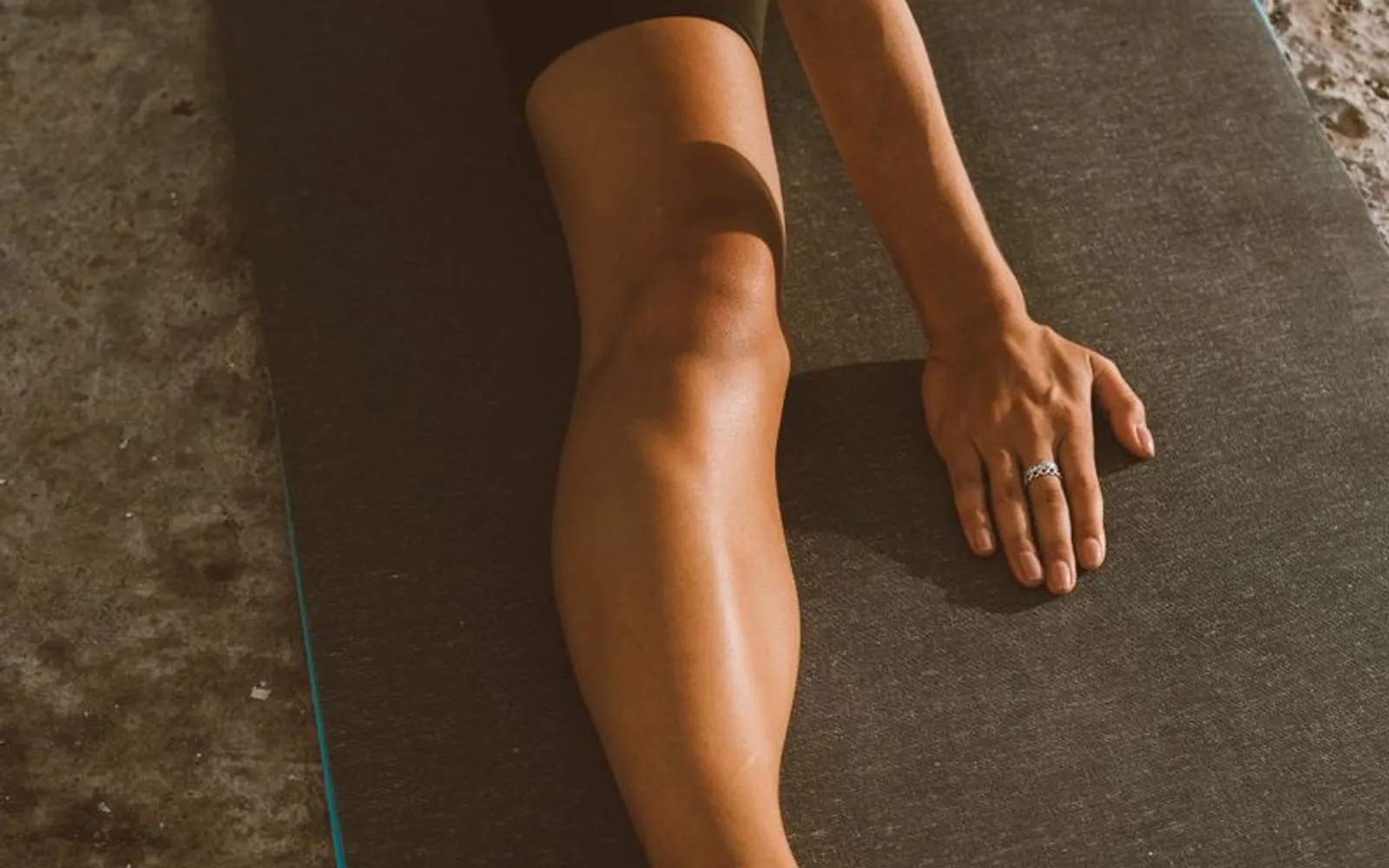
What are the best hip stretching exercises?
Start with the hip flexor stretch. You feel it in the front of your hip and thigh.
An NHS leaflet for hip arthritis from the Royal Orthopaedic Hospital pairs it with two leg stretches. For each one, hold for 20 to 30 seconds and repeat 5 times.
| Stretch | How | Hold |
|---|---|---|
| Hip flexor (front of hip) | Stand in a wide walking stance, hands on a firm support. Bend your front knee and push your hips forward. Keep your back straight. | 20 to 30 seconds, 5 times |
| Hamstring (back of thigh) | Put one foot on a step. Lean forward at your hips with your back straight. | 20 to 30 seconds, 5 times |
| Butterfly (inner thigh) | Sit with your knees bent and feet together. Press your knees down, using your hands if needed. | About 10 seconds, 5 to 10 times |
Go only as far as the point you feel a stretch, Versus Arthritis advises. Had recent hip surgery? The butterfly may not suit you, so ask your physio first.
Try the hip flexor stretch on both legs today.
How long and how often should you stretch your hips?
Hold each stretch for 20 to 30 seconds. But the number that counts most is how often you stretch.
A review of 23 studies found range of movement tended to improve with at least 5 minutes of stretching a week. Time spent in one session didn’t seem to make a real difference. It looked at stretching in general, not hips alone.
More days a week went with bigger gains. The authors suggest held stretches on at least 5 days a week.
- Below 5 min a weekBelow the 5 minutes linked to gains.
- 5 min a week or above5 minutes or more. Spread over 5 or more days.
Source: Thomas 2018
Think of it like brushing your teeth. A little most days tends to beat one long scrub a week.
Two 30-second hip flexor holds on each leg is 2 minutes. Do that on 5 days and you’ve done 10 minutes a week.
Pick 5 days this week and put them in your diary.
What are the best hip mobility exercises?
Mobility moves take your hip through the full way it can move, rather than holding still. Versus Arthritis, the UK arthritis charity, lists gentle ones you can do at home.
A 4-move hip mobility routine
- 1
March on the spot
Hold a work surface. Bring each knee up towards your chest in turn.
- 2
Heel slide
Lie on your back. Bend your leg and slide your knee towards your chest. Slide it down and straighten slowly.
- 3
Knee drop
Lie with knees bent, feet flat and hip-width apart. Let one knee drop out, then bring it back.
- 4
Side leg lift
Hold a chair. Lift one leg out to the side, hold 5 seconds, lower slowly. 5 times each side.
Source: Versus Arthritis
The NHS also says adults should do strengthening activities that work all major muscles, including the hips, on at least 2 days a week. Our glute exercises guide has moves for that.
Have hip osteoarthritis (wear in the joint)? NICE says everyone with it should be offered exercise tailored to them. It also warns that joint pain may go up when you first start.
Do the routine after a short walk, while you’re warm.
What are good back and hip stretches?
For the back of your hip and your bottom, try two knee hugs. Both come from an NHS physio leaflet at Cambridge University Hospitals.
| Stretch | How | Where you feel it |
|---|---|---|
| Knee hug | Lie on your back. Pull one knee towards your stomach with your hands. Push the other leg down towards the floor. | Back of your hip |
| Crossed-leg knee hug | Sit with one leg straight and the other crossed over it. Bring that knee towards your opposite shoulder. | Your buttock |
The leaflet leaves the hold time for your physio to set. For its knee-to-chest stretch, Versus Arthritis suggests about 10 seconds, 5 to 10 times.
Lifting the knee is hard? Start by sliding your heel along the floor towards your bottom. Lift the knee once that feels comfortable.
Feel your hips are out of line? None of these NHS or charity leaflets give exercises to realign hips. A physio can check, and in many areas you may be able to see an NHS physio without a GP referral.
Low back stiff too? See back strengthening exercises.
How do I stretch my hips safely?
Six ways to stretch your hips safely
- Warm up first with a gentle walk for 3 to 4 minutes.
- Choose 3 to 4 exercises for each session.
- Move gently and slowly, and only to the point you feel a stretch.
- You may feel some muscle ache. If an exercise causes pain, let it settle before you try again.
- If you have problems with an exercise, stop and ask your GP or physio.
- Avoid low chairs, which can put extra pressure on your hips.
Sources: Royal Orthopaedic Hospital NHS; Versus Arthritis; NHS: hip pain
The NHS lists gentle hip stretching exercises as one way to ease hip pain. It also says not to try to work out the cause of hip pain yourself. If your hip hurts rather than just feels stiff, check the GP list below before you carry on.
When to speak to a GP
The NHS says to see a GP if:
- Hip pain is stopping you doing normal activities or affecting your sleep.
- The pain is getting worse, keeps coming back, or hasn’t improved after 2 weeks of treating it at home.
- Your hip is stiff for more than 30 minutes after waking up.
- Ask for an urgent GP appointment or call 111 if you have sudden severe hip pain without a fall or injury, a swollen hip that feels hot, skin around your hip that has changed colour, or hip pain with feeling unwell and a high temperature (or hot, cold or shivery).
- Call 999 or go to A&E if you have severe hip pain after a fall or injury, can’t walk or put weight on your leg, or have tingling or loss of feeling in your hip or leg after an injury.
Joints aching in more places than your hips? See joint pain and blood tests.