What’s the best way to lose belly fat?
Lose weight all over. Sit-ups alone didn’t shrink waists in a trial. And a hanging belly after pregnancy or big weight loss can be loose skin that no exercise can shift.
On this page
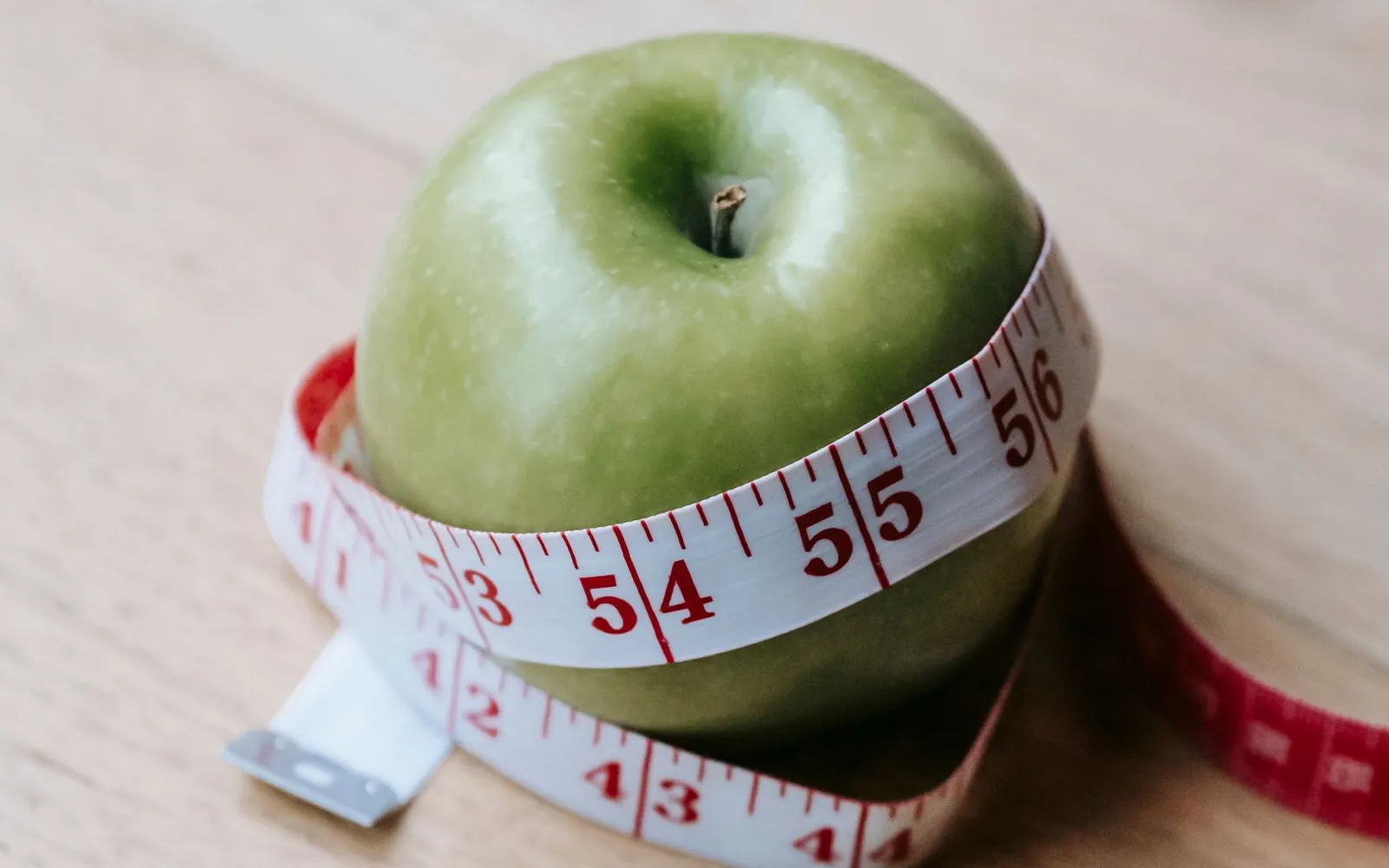
What’s the best way to lose belly fat?
Eat and drink a little less than your body uses, and move more. The NHS says women use around 2,000 calories a day and men around 2,500, on average.
Your belly shrinks as your weight comes down. Across 117 studies, both diet and exercise cut the deep fat packed around your organs. Doctors call it visceral fat.
| What you try | What the evidence found |
|---|---|
| Eating fewer calories | Cut deep belly fat, and took off more weight than exercise did. |
| Cardio, such as brisk walking | Cut deep belly fat in adults carrying extra weight, across 35 trials. |
| Strength training alone | No clear effect on deep belly fat. The NHS still advises it on 2 days a week. |
| Sit-ups and other ab moves alone | No change in belly fat or waist size after 6 weeks, in one small trial. |
| Liposuction | The NHS says it’s not a treatment for obesity. |
Sources: Verheggen 2016; Ismail 2012; NHS activity; Vispute 2011; NHS liposuction
So pair your food with cardio, and keep lifting to stay strong. Diabetes UK puts it plainly: there are no quick fixes, just eating well and moving more.
Your first step: grab a tape measure. The next section shows you where to put it.
Is my belly fat too much?
Your waist tells you more than the scales. Fat around your middle can build up around organs like your liver and pancreas, which raises your chance of type 2 diabetes.
| Who | Healthy waist |
|---|---|
| All women | Less than 80 cm (31.5 in) |
| Most men | Less than 94 cm (37 in) |
| South Asian men | Less than 90 cm (35 in) |
| Adults with a BMI (weight-for-height number) under 35, not pregnant, no eating or growth disorder | Also less than half your height |
Sources: Diabetes UK; NHS
Measure halfway between the top of your hip bone and the bottom of your ribs. Your jeans size is not usually your waist size.
Skip the half-your-height check if you’re pregnant, or have or think you may have an eating disorder. Skip it too if you have a growth disorder or another condition that affects your height. Work out your ratio in waist-to-height ratio vs BMI.
Write your number down. That’s the one to beat.
How do I lose lower belly fat?
The same way as upper belly fat: lose weight all over. In two small trials, working one spot didn’t burn fat from that spot.
In one trial, 24 inactive adults aged 18 to 40 did 7 ab moves, 5 days a week for 6 weeks. Their abs got stronger, but belly fat and waist size didn’t change.
In another, 11 young adults trained one leg for 12 weeks. Fat fell in their arms and trunk, not the trained leg.
Both point the same way. Training a spot made it stronger, not leaner.
Keep core work for strength, and put your fat-loss time into brisk walking. See walking to lose weight for a step plan.
Hanging belly: is it fat or skin?
It can be both. If yours hangs after pregnancy or losing a lot of weight, part of it may be loose skin.
The NHS says excess skin like this cannot be removed through exercise. Fat under it still shrinks as you lose weight.
| Option | What the NHS says |
|---|---|
| Tummy tuck (removes loose skin) | Major surgery. Not for someone who is overweight. About £5,000 to £10,000, and not usually on the NHS. |
| Liposuction (sucks out fat) | For small areas of fat. Works best if you’re not overweight. About £3,000 to £8,500, and not normally on the NHS. |
Sources: NHS: tummy tuck; NHS: liposuction
Neither is a quick fix for losing weight. Liposuction is only really suitable if you’ve tried changing your lifestyle and it hasn’t helped.
If you’re thinking about either, speak to your GP first.
What’s the fastest way to lose belly fat?
Steady wins. The NHS says to aim for 0.5 to 1 kg a week. Losing just 5 to 10% of your body weight can improve your health.
Very low calorie diets (under 800 or 1,200 calories, with a dietitian’s support) are not suitable or safe for everyone. They’re usually only advised if your weight is affecting other health conditions and you need to lose weight quickly.
Watch your waist, not just the scales. When weight didn’t drop, exercise was still linked to a 6.1% fall in deep belly fat.
Sleep counts too. Poor sleep may make you more likely to choose high-calorie foods.
In menopause, weight gain often happens around the stomach. See menopause weight gain, or foods to lose belly fat for what to eat.
Your belly fat plan for this week
- Measure your waist halfway between your hip bone and your ribs, and write it down.
- Eat and drink a little less than your body uses, aiming to lose 0.5 to 1 kg a week.
- Walk briskly, at a pace where you can talk but not sing, building to 150 minutes a week.
- Do strength moves for legs, hips, back, abdomen, chest, shoulders and arms on at least 2 days.
- Cut down on alcohol, because it’s high in calories.
- Try the free NHS Weight Loss Plan app for a 12-week plan.
Sources: NHS; NHS activity; Diabetes UK; NHS Better Health
When to speak to a GP
See a GP if your BMI (a weight-for-height number) is overweight or obese and:
- you want help to lose weight, or your waist is more than half your height
- you have pre-diabetes, diabetes, high blood pressure, joint pain, high cholesterol, sleep apnoea or heart and circulation disease
- obesity runs in your family
- you have, or think you may have, an eating disorder, such as binge eating
Sleep apnoea means your breathing stops and starts while you sleep. A GP can give advice and refer you for treatment, such as weight programmes, medicines or surgery. Some areas let you refer yourself.
Have a medical condition, a special diet for your health or an eating disorder now or in the past? Talk to a GP before you start.
Some steroids, antidepressants and beta blockers can make a healthy weight harder to keep. Never stop or change a prescribed medicine without your prescriber. For men, see belly fat in men.