Is hydrogen peroxide safe for whitening teeth?
Yes, when a dental professional gives it. UK law caps shop products at 0.1%, so a 3% bottle is 30 times that. And carbamide peroxide gel counts too.
On this page
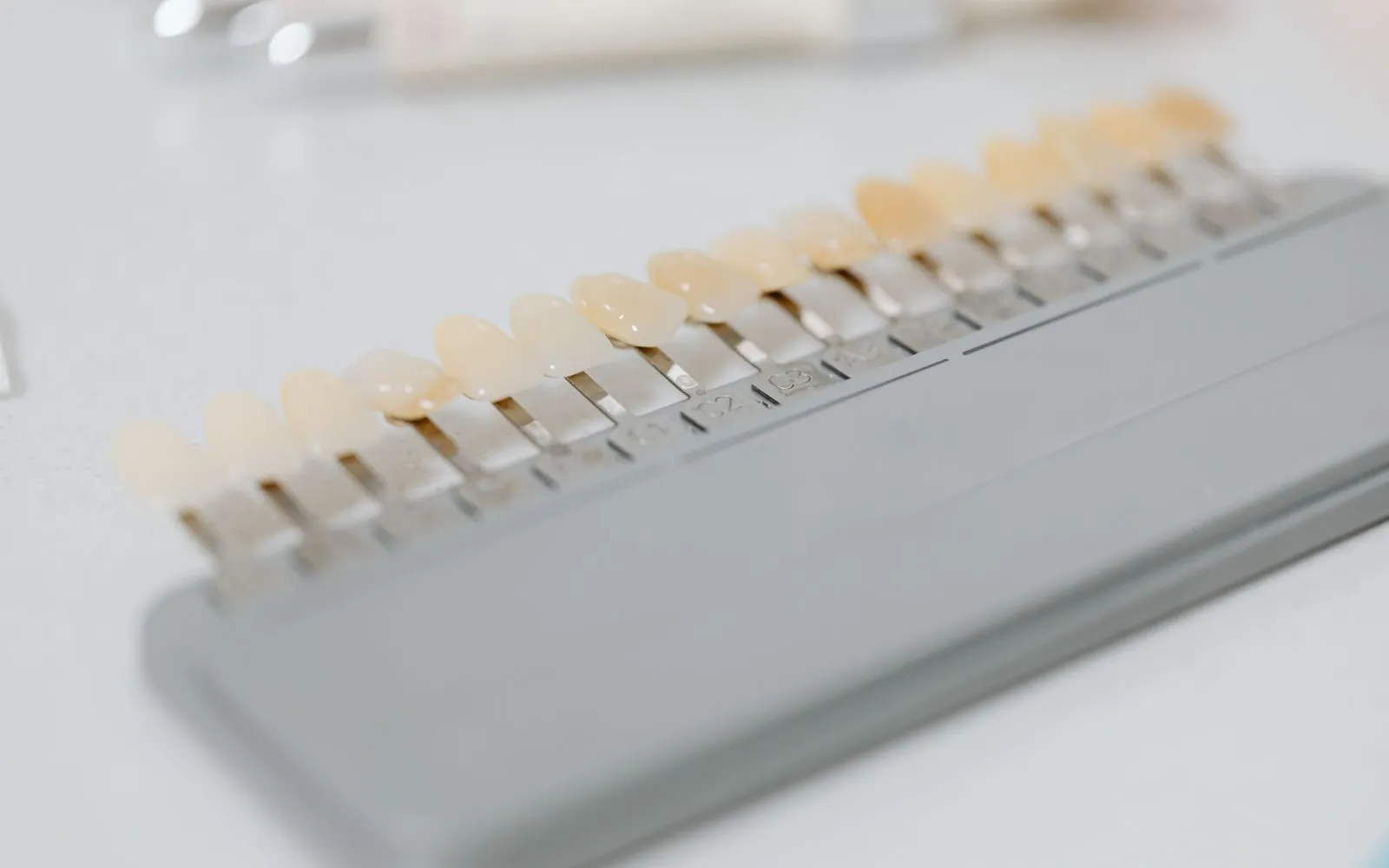
Is hydrogen peroxide safe for teeth?
Yes, if a dental professional checks your teeth first and gives it to you. UK law sets how strong it can be, and who can use it.
- 0.1 % or belowSold freely, such as toothpaste, mouthwash and shop whitening.
- Above 0.1 up to 6 %Dental professional only. Not for cosmetic use under 18.
- Above 6 %Illegal for cosmetic whitening.
Think of 0.1% as the edge of the shop shelf. Above it, the law wants a dental check first, to rule out problems with your teeth and gums.
The NHS says the chemicals are very strong. Only dental professionals who know how to protect your teeth and gums should use or sell them.
Got a product at home? Look for hydrogen peroxide or carbamide peroxide on the label, then ask your dentist.
Can I put hydrogen peroxide from a bottle on my teeth?
Not to whiten them. A 3% bottle sits in the band UK law keeps for dental professionals when it’s used on teeth.
Hydrogen peroxide is an irritant, says the UK Health Security Agency. Even weak solutions can turn skin white. Swallowing strong ones can cause stomach pain and vomiting.
White patches on your gums are a side effect the NHS lists even with a dentist. That’s why dentists cover your gums with a shield or paste, or make trays that fit closely.
A bottle and a cup can’t do that. Use the bottle only as its label says.
Do peroxide whitening strips and gels work?
Not much, if you buy them in a shop. The Oral Health Foundation says they hold only a very small amount of whitening ingredient.
They may help lift some surface stains. They usually don’t change the natural colour of your teeth much. Peroxide toothpaste and mouthwash fall under the same 0.1% cap.
| Where from | Hydrogen peroxide | What to expect |
|---|---|---|
| Shop or online strips, gels and paint-on products | 0.1% or less | May lift some surface stains. Usually little change to natural colour. |
| Dentist trays you wear at home | More than 0.1%, up to 6% | Trays worn for around 2 to 6 weeks. |
| Laser at a dental surgery | Up to 6% | Usually 1 appointment of around 1 to 2 hours. |
| Beauty salon | Any | Not allowed. Only a registered dental professional can whiten teeth. |
Sources: Oral Health Foundation; UK Cosmetics Regulation; NHS; General Dental Council
The NHS says kits from a pharmacy or online don’t work as well and may harm your teeth and gums.
Bought a kit online? Check the strength. If it lists more than 0.1%, don’t use it, and show it to your dentist instead.
What is carbamide peroxide gel?
A gel that releases hydrogen peroxide. UK law counts what it releases, so the same 0.1% and 6% limits apply.
That’s why carbamide peroxide gel counts too: the law goes by the hydrogen peroxide released.
With a dentist in charge, daily 10% carbamide peroxide for 3 to 4 weeks is effective, a 2025 review found.
Stronger isn’t always better. In a review of 13 trials, weaker carbamide gels whitened about as well as stronger ones, with less tooth sensitivity. Most of those trials had flaws in how they were run.
How dentist tray whitening works
- 1
Check
Your dentist checks your teeth and gums are healthy.
- 2
Trays
Trays made to fit closely, like a mouthguard. You’re shown how to protect your gums.
- 3
First use
The first use is done by the dental team or under their direct watch.
- 4
At home
You wear the trays for around 2 to 6 weeks.
Sources: NHS; General Dental Council
Questions to ask your dentist:
- Are my teeth and gums healthy enough for whitening?
- Which gel and strength suit my teeth?
- Will whitening change the colour of my fillings, crowns or veneers?
Does peroxide teeth whitening damage teeth or gums?
With a dentist, side effects are usually short-term. The NHS lists teeth sensitive to cold or sweet things, sore gums or throat, and white patches on your gums.
A review of 71 trials of home whitening found sensitivity and mouth irritation were the most common. They were more common at higher strengths, but mild and they didn’t last.
Done by someone without dental training, whitening can permanently damage your teeth and gums. It also won’t lighten fillings, crowns or veneers.
Six ways to whiten your teeth safely
- Check any shop product says 0.1% hydrogen peroxide or less.
- Don’t whiten with a bottle of hydrogen peroxide.
- Go to a registered dental professional, not a beauty salon. You can check on the General Dental Council website.
- Have your teeth and gums checked before any whitening.
- Don’t whiten if you’re 17 or younger. The NHS doesn’t recommend it if you’re pregnant or breastfeeding.
- Tell your dentist if side effects bother you.
Sources: UK Cosmetics Regulation; NHS; Oral Health Foundation
Only want to lift tea or coffee stains? See what works in natural teeth whitening. Healthy gums matter too, so learn how to clean between your teeth.
When to see a dentist or GP
See a dentist if:
- Sensitivity lasts more than a few weeks.
- Tooth pain is severe, comes on suddenly or affects only one tooth. These could be signs of decay, a cracked tooth, gum problems or infection.
- Side effects from whitening bother you.
- You have severe tooth or mouth pain that’s affecting your sleep or daily activities and painkillers like paracetamol or ibuprofen don’t help, or pain that won’t go away. Get an urgent dental appointment or call NHS 111.
- A red or white patch, lump or swelling in your mouth is getting bigger or not going away, or a mouth ulcer hasn’t healed after 2 weeks or more or has got worse. Get an urgent dental appointment or call NHS 111. NHS 111 may refer you to a GP.
Mouth, lips, throat or neck badly swollen, and struggling to breathe or open one or both eyes? Call 999 or go to A&E. Same for heavy bleeding from your mouth that won’t stop.
Gums bleed when you brush? See bleeding gums: what to do.