Do lecithin supplements work?
Not for cholesterol or dementia, going by the trials. Breastfeeding experts still suggest it for blocked milk ducts. But that advice carries their lowest grade of evidence.
On this page
Do lecithin supplements work?
For the big claims, no. A review of 24 cholesterol studies found no proof that lecithin itself lowers it. A Cochrane review of 12 trials found no clear benefit for Alzheimer’s or Parkinson’s dementia.
| Sold for | What the research found | How strong |
|---|---|---|
| Cholesterol | No proof of an effect of its own, once diets were matched. | Old review, small trials |
| Memory and dementia | No clear benefit for Alzheimer’s or Parkinson’s dementia. One small trial in people with memory worries looked positive. | Cochrane, 12 small trials |
| Blocked milk ducts | Suggested at 5 to 10 g a day. No trial has shown it works. | Expert advice, lowest grade |
| Ulcerative colitis (a long-term bowel condition) | A special slow-release form helped in one trial of 60 people whose colitis didn’t respond to steroids. | Not the same as granules |
Sources: Knuiman 1989 review; Cochrane 2003; ABM protocol 2022; Stremmel 2007 trial
These reviews are old, and Cochrane says a moderate effect can’t be ruled out. But no newer trial has turned the picture round.
So if cholesterol or memory is your reason, put your money and effort into the steps below instead.
What are lecithin granules?
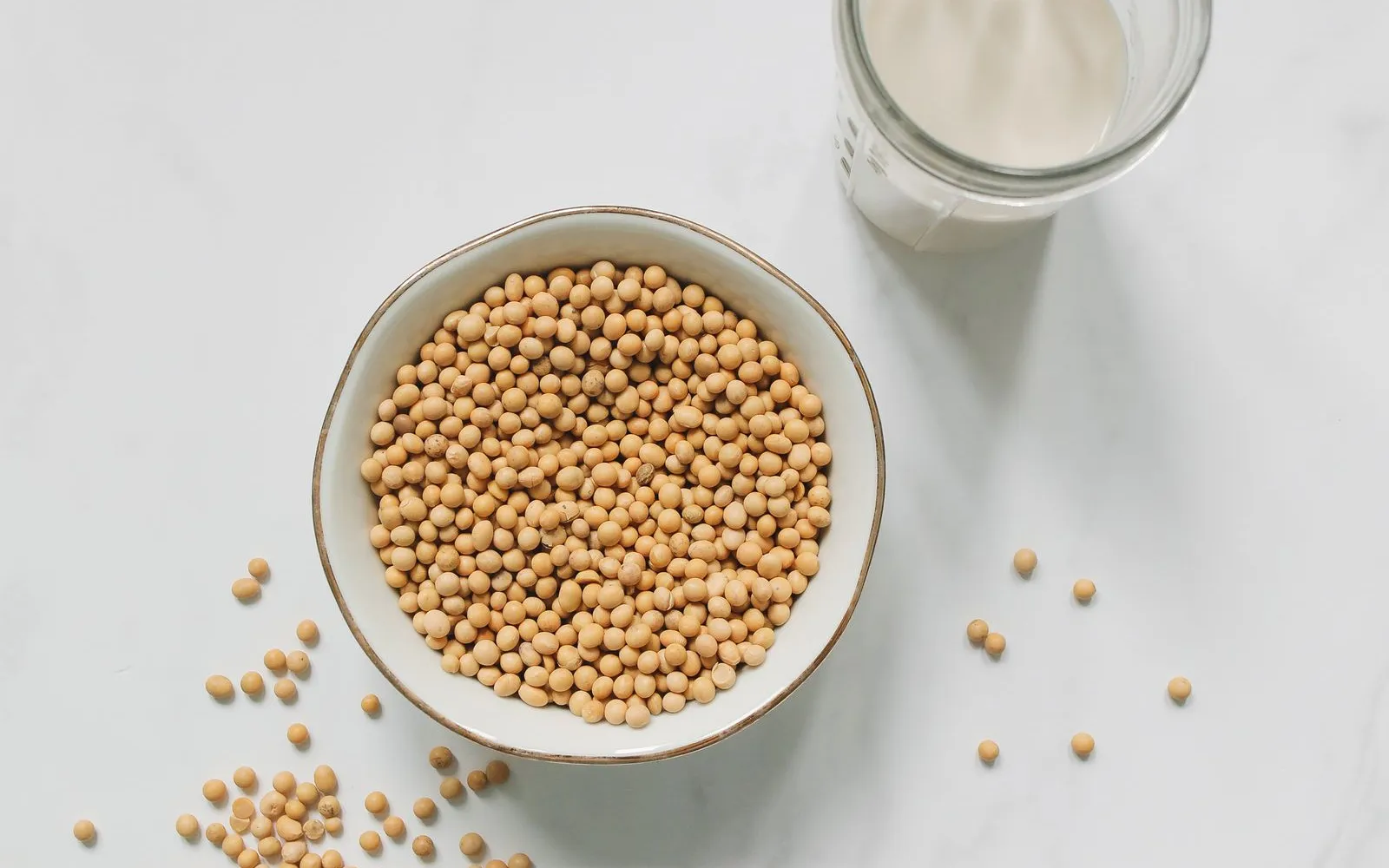
Lecithin is a fatty mix made from soya, sunflower or egg. Shop lecithin is about 60% phospholipids, a type of fat your cells are built from. The rest is mostly ordinary fat.
Granules are the same thing in loose, crunchy form. People stir them into yoghurt or smoothies. Capsules and liquid are the other options.
You already eat some. It’s food additive E 322, used to stop oil and water separating in chocolate and spreads.
Lecithin is also a source of choline, a nutrient. Read more in our guide to choline and fatty liver.
Does lecithin help blocked milk ducts?
It might, but no trial has shown it works. The Academy of Breastfeeding Medicine says sunflower or soy lecithin 5 to 10 g daily may be taken to reduce inflammation in the ducts.
What the breastfeeding protocol says about lecithin
- 1
Dose
Sunflower or soy lecithin, 5 to 10 g a day by mouth.
- 2
Aim
To ease swelling (inflammation) in the ducts and make milk less sticky.
- 3
Grade
C, the lowest grade. It rests on expert opinion and lab work.
Sources: ABM protocol 2022; Douglas 2023
That grade C is the catch. A 2023 critique said the lecithin advice lacks an evidence base. So treat lecithin as an optional extra, not the fix.
NHS steps for a sore, lumpy breast
- Keep breastfeeding your baby when they want and for as long as they want.
- Ask your midwife, health visitor or a breastfeeding specialist to check how your baby is positioned and attached.
- Hold a cold compress on the sore area for 10 minutes every hour.
- Take paracetamol or ibuprofen for pain or a high temperature. Don’t take aspirin.
- Wear a comfortable, supportive bra and avoid tight clothes.
- Be gentle. Don’t press hard or rub oils, soaks or creams into the breast.
Source: NHS: mastitis
You can call the National Breastfeeding Helpline any time on 0300 100 0212.
Does lecithin lower cholesterol?
Not on its own. The 1989 review found most studies had no proper comparison group or few people. Where cholesterol fell, it came from the fat in lecithin or from other changes to what people ate.
| Group | Added each day | Cholesterol |
|---|---|---|
| Yoghurt | Nothing | Comparison group |
| Yoghurt and lecithin | 20 g soya lecithin | No real change |
| Yoghurt and oil | 17 g sunflower oil | Went up, and so did weight |
Source: Oosthuizen 1998 trial
It was a small trial. But neither the men nor the researchers knew who had what, which makes it fairer than most.
For changes that do work, see how to lower cholesterol and plant sterols. Weighing up other pills? Read our cholesterol supplements guide.
On a statin (a cholesterol-lowering medicine)? Don’t swap it for lecithin. Never stop or change a prescribed medicine without your prescriber.
Is lecithin safe?
At the amounts used in food, yes. The EU food safety body found no safety concern for anyone over 1. Supplement doses are bigger, so a few more cautions apply.
| Question | What the evidence says |
|---|---|
| Stomach side effects | Now and then stomach pain, loose stools or diarrhoea, at 1.5 to 2.7 g a day. |
| Soya or egg allergy | Reactions are reported, some severe. How often is not known. |
| Labels | UK law lists soya and egg products as allergens, and lecithin from them isn’t exempt. |
| Other medicines | No interaction data found. Ask a pharmacist. |
Sources: EFSA 2017; UK allergen rules
Allergic to soya? Pick sunflower lecithin, and still read the label. Allergic reactions come from traces of protein left in the lecithin.
On medicines, pregnant or buying for a child? Ask a pharmacist first.
Choosing between supplements? Start with supplements worth taking.
When to speak to a GP
Mastitis means a swollen, hot, painful area, a hard lump, burning pain or nipple discharge. You may also feel flu-like, hot, cold or shivery. See a GP if:
- Your breast symptoms don’t get better 12 to 24 hours after treating them at home.
- Your symptoms don’t get better 48 hours after starting antibiotics.
- You get mastitis and you’re not breastfeeding.
- Call 999 if your lips, mouth, throat or tongue suddenly swell, or you’re breathing very fast or struggling to breathe. Also call if your throat feels tight or you struggle to swallow. Call if your skin, tongue or lips turn blue, grey or pale, or you suddenly feel very confused, drowsy or dizzy. Call if someone faints and can’t be woken. If you have an adrenaline auto-injector, use it.
Worried about your memory? Talk to your GP rather than relying on a supplement. Our memory supplements guide covers what else is sold.