Losing weight after 40
Eat less and lift weights. That works at any age. For your size, your metabolism barely changes before 60. What does slip after 40 is muscle, and weights help you keep it.
On this page
Is it harder to lose weight after 40?
It can feel harder, but the method is the same. Eat and drink fewer calories than your body uses, and move more. The NHS says to cut around 600 calories a day.
Your metabolism is not the main change. A large study measured the energy people burn from birth to age 95. Once body size was allowed for, it stayed steady from 20 to 60.
Two things do change. Muscle starts to slip, and for many women perimenopause (the years before periods stop) adds weight around the middle.
| What changes | What the evidence says | What to do |
|---|---|---|
| Metabolism | Steady from 20 to 60, once body size is allowed for. | Cut around 600 calories a day. |
| Muscle | One review estimates about 8% lost each decade, from your 40s to 70. | Strength work on at least 2 days a week. |
| Perimenopause | Women may gain around 1.5 kg a year, often round the stomach. | Same plan. Ask a GP about your symptoms. |
Sources: Pontzer 2021; Nutrients review 2025; Women’s Health Concern; NHS
Women’s Health Concern, part of the British Menopause Society, says perimenopause weight gain is around 10 kg in total, on average. The NHS says it often happens around the stomach and upper body. More in our guide to menopause weight gain.
So start with the same first step as anyone: a daily cut in calories. Then protect your muscle.
Does your metabolism slow down after 40?
Not before 60, once your size is allowed for. In that study, the burn for your size only started to fall in older adults, after 60.
Think of your body as a fire and muscle as the logs. Each log burns as hot at 50 as at 25. But fewer logs make a smaller fire.
That missing log is your muscle. Women’s Health Concern says losing lean muscle with age lowers the rate you use calories. It adds that what you eat, drink and how much you move still matter most.
So the fix is not a special diet. It is keeping the logs, which means strength work. For more on why burn varies, see fast and slow metabolism.
How many calories should I eat to lose weight after 40?
The NHS gives one rule for adults: eat and drink around 600 calories a day less than now. It calls this a safe way to lose weight.
| Who | Average daily needs | After a 600 cut |
|---|---|---|
| Average woman | 2,000 calories | About 1,400 calories |
| Average man | 2,500 calories | About 1,900 calories |
Source: NHS: calories and weight loss
Your own needs may be higher or lower than average. So start from what you eat now, not from the table.
Aim to lose 0.5 to 1kg (1 to 2lb) a week. Losing just 5 to 10% of your body weight can improve your health, says the NHS.
In perimenopause or menopause, Women’s Health Concern suggests a smaller cut of 300 to 500 calories a day. It warns that fad diets can lead to yo-yo weight. Our calories to lose weight guide shows how to find your number.
What is the best exercise to lose weight after 40?
Do both kinds. The NHS asks adults for 150 minutes of moderate activity a week, or 75 minutes of vigorous. Moderate means you can still talk, but not sing. On top, do strength work for every major muscle on at least 2 days.
Strength work helps you keep muscle while you diet. In 6 trials of older adults with obesity, lifting 3 times a week kept almost all the muscle and other lean tissue (lean mass) that dieting alone lost. That was about 0.8 kg.
A week that protects your muscle
- 1
Strength day 1
Work legs, hips, back, belly, chest, shoulders and arms.
- 2
Walk most days
Build up to 150 minutes a week, such as brisk walking.
- 3
Strength day 2
Same muscles. Keep going until you need a short rest.
- 4
Check your week
Steady loss is 0.5 to 1kg (1 to 2lb) a week.
Sources: NHS: activity guidelines; NHS: obesity
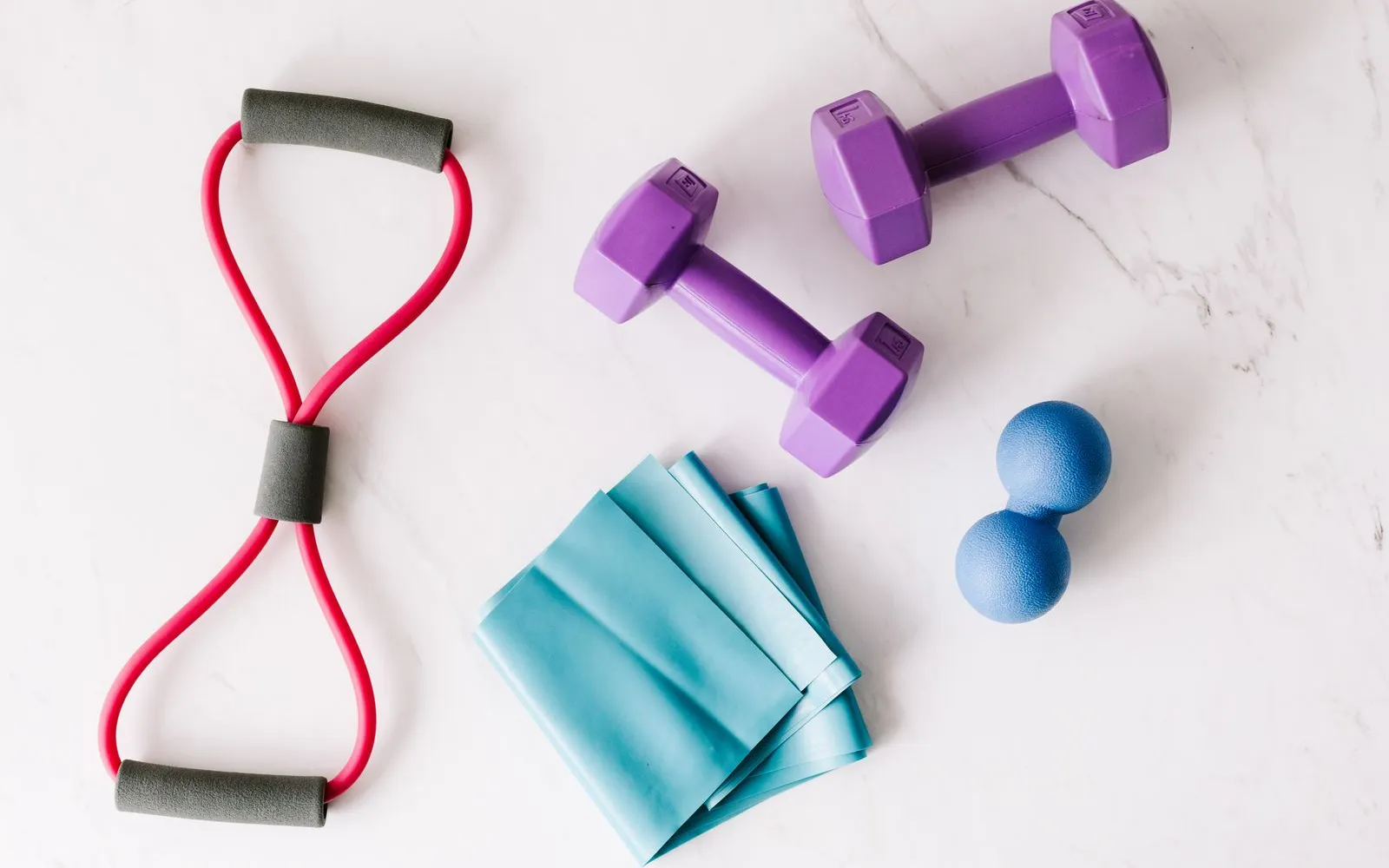
No gym needed. Squats, bicep curls with small weights and resistance bands all count. Women’s Health Concern says it is not all about pumping iron.
Pick one session and book it in your diary. Our guide to strength training for weight loss has moves to start with.
Where do I start this week?
Six changes to start this week
- Write down everything you eat and drink on one normal day, including drinks, cooking oil and sauces.
- Cut around 600 calories a day, split across your meals and snacks.
- Weigh your rice once. If the packet says 75g is 260 calories, a 150g portion is 520.
- Do strength exercises for every major muscle on at least 2 days a week.
- Walk a little more most days. If you do about 3,000 steps a day, aim for 5,000.
- Protect your sleep. Poor sleep may push you towards high-calorie foods.
Sources: NHS: calories and weight loss; NHS: activity guidelines; NHS: lose weight; Women’s Health Concern
Want a free plan? The NHS Weight Loss Plan app gives you a 12-week plan and lets you set a daily calorie target.
Check your waist too. The NHS says to keep it less than half your height, if your BMI is under 35.
Aged 40 to 74, without a condition such as heart disease, diabetes or high blood pressure? You should be invited to a free NHS Health Check every 5 years. It checks your BMI, blood pressure, cholesterol and diabetes risk.
Wondering about protein too? See how much protein you need after 40.
When to speak to a GP
The NHS says to see a GP if your BMI is overweight (25 to 29.9) or obese (30 or more) and:
- you want help to lose weight
- your waist is more than half your height
- you have pre-diabetes, diabetes, high blood pressure, joint pain, high cholesterol, sleep apnoea (when your breathing stops and starts while you sleep) or heart and circulation disease
- you have a family history of obesity
- you have, or think you may have, an eating disorder such as binge eating
If you have a South Asian, Chinese, other Asian, Middle Eastern, Black African or African-Caribbean background, the ranges are 23 to 27.4 and 27.5 or more.
Also see a GP if you think you might have an underactive thyroid, such as feeling very tired, feeling cold and putting on weight. Or if you keep losing weight without trying. Or if you think you have symptoms of perimenopause or menopause and want to know your options.
Thinking about HRT for menopause symptoms? Women’s Health Concern says there is no evidence HRT causes weight gain. Never stop or change a prescribed medicine without your prescriber.