What is low blood sugar?
Usually below 4 mmol/L. It’s rare without diabetes. But feeling shaky isn’t proof on its own. Without diabetes, a US guideline says doctors should only investigate when three things line up.
On this page
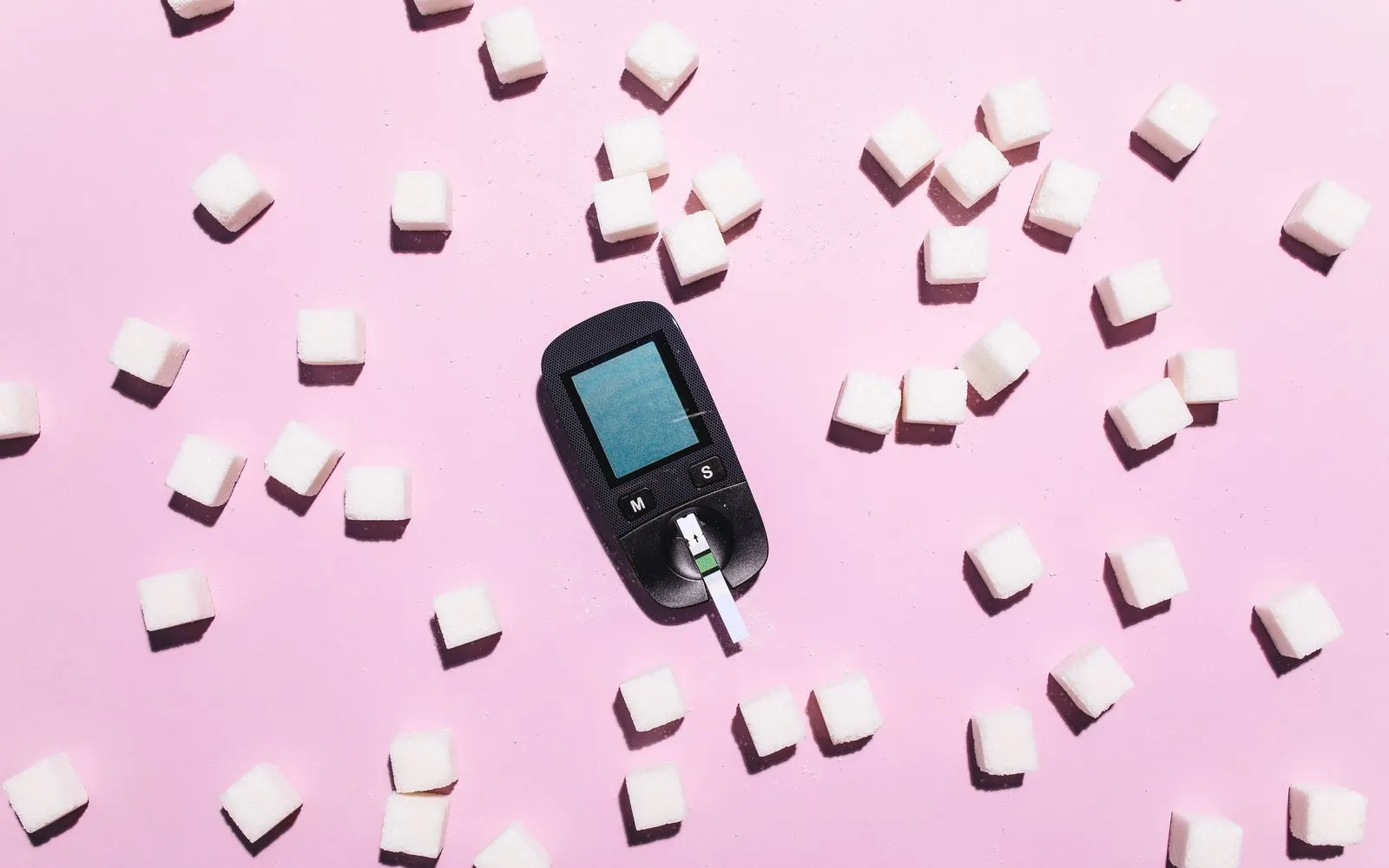
What is a low blood sugar level?
The NHS says low blood sugar is usually below 4 mmol/L. It mostly affects people with diabetes who take insulin or some other diabetes medicines. It’s rare in people without diabetes.
Without diabetes, an NHS lab counts a fasting level of 3.0 to 5.4 as normal. So without diabetes, a fasting lab reading just under 4 isn’t always a problem on its own.
An NHS hospital leaflet on hypos after meals says symptoms usually start below 3.5. It adds that this can vary from person to person.
- Below 3.5 mmol/LBelow 3.5: where hypo symptoms after meals usually start.
- 3.5 to just under 4 mmol/LBelow 4: the NHS’s usual low line. One NHS lab’s normal fasting range starts at 3.0.
- 4 to just under 5.5 mmol/LNormal fasting, without diabetes.
- 5.5 mmol/L or aboveAbove normal fasting.
Sources: NHS; NHS lab (UH Sussex); Addenbrooke’s Hospital
A number alone doesn’t settle it. Write down how you felt and when you last ate each time, and take the notes to your GP.
Reading above 5.5? See normal blood sugar levels instead.
What are the signs of low blood sugar?
The NHS lists feeling hungry, dizzy, anxious or irritable. You may sweat, shake or get tingling lips.
Your heart may pound or flutter. You may feel tired or weak, have blurred vision or feel confused.
A severe hypo can cause a seizure (a fit), or make someone pass out.
None of these signs proves low sugar by itself. Got them, and no diabetes? Book a GP appointment.
Can you have low blood sugar without diabetes?
Yes, but it’s rare. The NHS names a few conditions that can sometimes cause it. NHS hospital leaflets add hypos after meals and after weight loss surgery.
| Cause | In plain words |
|---|---|
| Hypos after meals | Usually 2 to 4 hours after fast sugars. It may be linked to a big surge of insulin, the hormone that lowers blood sugar. |
| After weight loss surgery | For some people, the body makes too much insulin for a smaller meal. Usually 2 to 4 hours after eating. |
| Alcohol | It stops the liver releasing sugar. Levels can keep falling for up to 24 hours, depending on how much you drank. |
| Addison’s disease | The adrenal glands don’t make enough of some hormones, including steroids. |
| Malnutrition | Your body isn’t getting enough of the nutrients it needs. |
| A growth (tumour) in the pancreas | Rare, but on the NHS list of causes. |
Sources: NHS; NHS: Addison’s disease; Addenbrooke’s Hospital; Royal Berkshire Hospital
Drink alcohol? The Addenbrooke’s leaflet says never drink on an empty stomach. More in alcohol and blood sugar.
How do doctors check for low blood sugar?
With a three-part check called Whipple’s triad. A US guideline from the Endocrine Society says doctors should only investigate when all three are recorded.
The three things that must line up
- 1
Symptoms
Signs that fit a hypo, such as shaking or confusion.
- 2
A low reading
Blood sugar measured low at the same time.
- 3
Recovery
The signs go once blood sugar is raised.
- 4
Then the cause
Without diabetes, doctors look first for clues such as medicines, serious illness or hormone problems.
So timing matters. Doctors need the low reading and the symptoms at the same time. More on lab tests in our glucose blood test guide.
What helps if you get shaky after eating?
Get it checked first. If a doctor finds hypos after meals (reactive hypoglycaemia), NHS dietitians at Addenbrooke’s say diet changes can ease symptoms for some people.
What helps with hypos after meals
- Eat small, regular meals that are lower in carbohydrate.
- Choose slow-release (low GI) carbs, such as oatcakes or seeded toast.
- Cut back on sweets and sugary drinks.
- Never drink alcohol on an empty stomach.
- Had weight loss surgery? Eat little and often, 5 to 6 small meals or snacks a day.
- Keep a food and symptom diary to show your GP or dietitian.
If you’ve been diagnosed, the same leaflet says that during a hypo below 3.5 you should take 10 to 15g of fast sugar. That’s 3 to 4 dextrose tablets or 100 to 150ml of orange juice. Recheck after 10 to 15 minutes.
Skip chocolate and biscuits for this. The fat slows the sugar down. See blood sugar after eating for what a meal normally does.
When to speak to a GP
Book an appointment if:
- You don’t have diabetes and get signs of low blood sugar, such as shaking, sweating, a fast heartbeat and feeling confused.
- You have diabetes and get hypos often, have had severe hypos, or have had hypos at night.
- You have diabetes and don’t always notice the signs of a hypo.
- You think you might have Addison’s disease. Signs include extreme tiredness, weight loss and feeling dizzy when you stand up.
Have diabetes? Never stop or change a prescribed medicine without your prescriber. See diabetic blood sugar levels.
Call 999 if someone may have very low blood sugar and is unconscious or not responding normally. This matters most if a glucagon injection (an emergency hypo medicine) isn’t available, or you don’t know how to use it.
Also call if they haven’t recovered 10 minutes after glucagon, or they’ve been drinking alcohol. Don’t give an unconscious person food or drink. Put them in the recovery position.