What should I eat on a low cholesterol diet?
Cut saturated fat first, not cholesterol. Swap butter, fatty meat, cheese and cakes for oils, oily fish, wholegrains and beans. Eggs? Most people can still have one or two a day in a balanced diet.
On this page
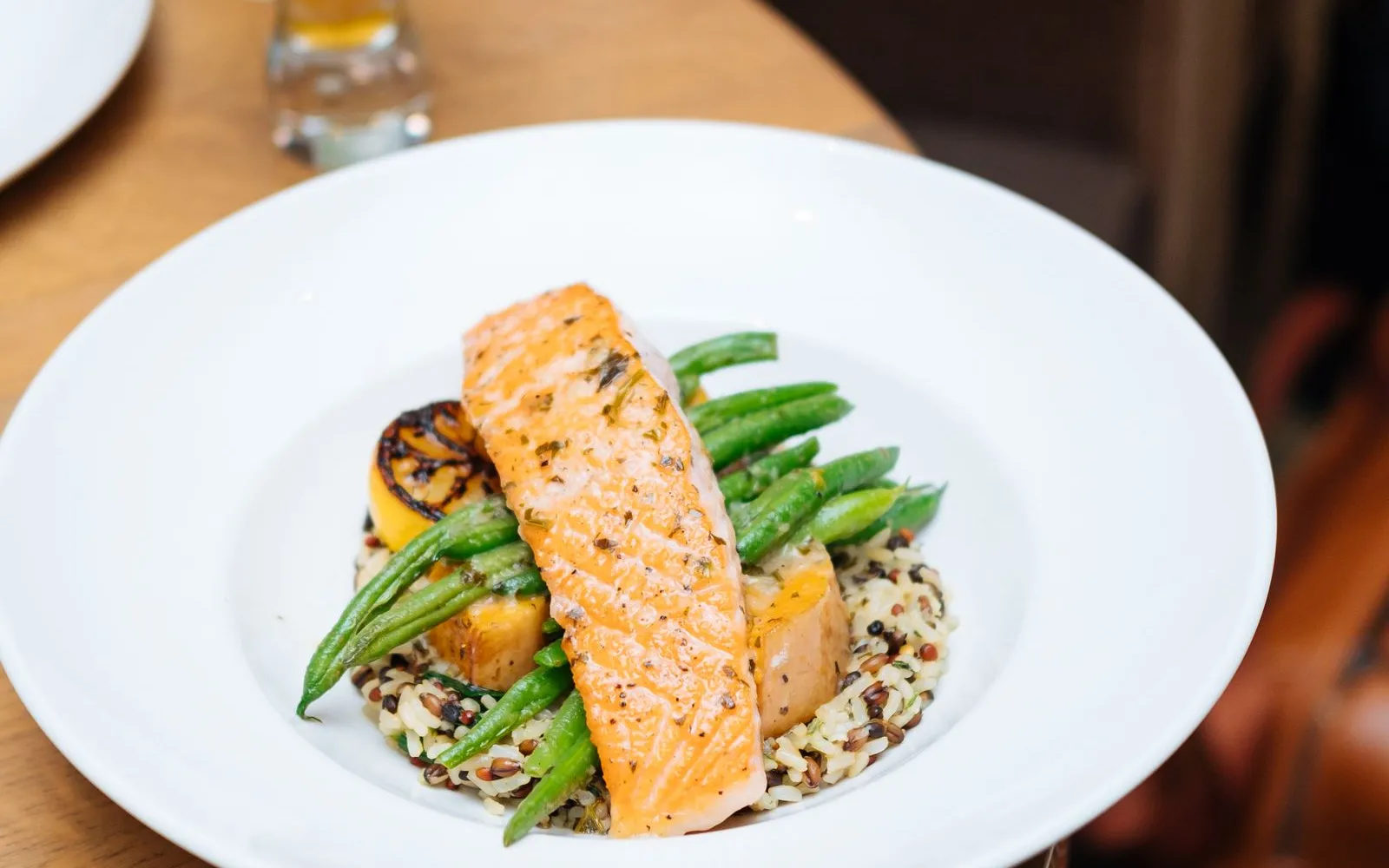
What is a low cholesterol diet?
It’s really a low saturated fat diet. The NHS says too much saturated fat can raise bad (LDL) cholesterol in your blood.
You don’t have to cut all fat. Swapping some saturated fat for unsaturated fat, the kind in plant oils and fish, can help lower your cholesterol.
| Eat less | Swap to |
|---|---|
| Butter, lard and ghee | Olive oil, rapeseed oil or spreads made from them |
| Meat pies, sausages and fatty meat | Oily fish like salmon or mackerel, or beans and lentils |
| Cream and cheese | Smaller amounts, or plain yoghurt in cooking |
| Cakes and biscuits | Fruit, or unsalted nuts and seeds |
| Food made with coconut or palm oil | Food made with olive or rapeseed oil |
| White bread, rice and pasta | Wholegrain bread, brown rice and wholewheat pasta |
Pick the two swaps you’d make most often, and start with those this week.
How much saturated fat can I have a day?
The NHS says men should eat no more than 30g a day and women no more than 20g. Most people in the UK eat too much.
Think of your 30g, or 20g for women, as a daily budget. Hard cheese, butter, pastry and chocolate spend it fast. Oily fish, beans and veg barely touch it.
- 1.5 g per 100g or belowLow.
- Above 1.5 up to 5 g per 100gMedium.
- Above 5 g per 100gHigh. Eat these less often.
Source: NHS food labels
Look for “saturates” on the back of the pack. The NHS advice is to eat fewer foods with more than 5g per 100g.
Watch “low fat” versions. They’re not always lower in calories, as the fat is sometimes swapped for sugar.
At high risk of heart or circulation disease, or already have it? NICE advises keeping saturated fat to 7% or less of your daily calories, and all fat to 30% or less. Ask your GP or a dietitian what that means for you.
Low cholesterol diet plan: a day of meals
Every meal here uses foods from the NHS and BHF lists. None needs special food.
| Meal | What to eat | The swap it makes |
|---|---|---|
| Breakfast | Porridge made with 40g oats and semi-skimmed milk, topped with berries | Oats in place of pastries |
| Lunch | Bean and vegetable soup with wholegrain bread and an olive oil spread | Spread in place of butter |
| Snack | An apple and a small handful (about 30g) of unsalted nuts | Nuts in place of biscuits |
| Dinner | Baked salmon, brown rice and broccoli, cooked in a little rapeseed oil | Oily fish in place of sausages |
The BHF says a 40g bowl of porridge gives about 1.4g of beta glucans, a type of fibre in oats. It suggests two to three portions of oat or barley foods a day.
Short on time? Make overnight oats.
| Dinner | The swap it makes |
|---|---|
| Mackerel, new potatoes and peas | Oily fish in place of fatty meat |
| Chickpea and spinach curry with brown rice | Rapeseed oil in place of ghee and cream |
| Lentil and tomato sauce with wholewheat pasta | Lentils in place of fatty mince |
| Bean chilli on a jacket potato | Plain yoghurt in place of cheese and soured cream |
| Grilled prawns with vegetable stir-fry and brown rice | Grilled in place of battered and fried |
Aim for at least 2 portions of fish a week, with 1 of them oily. For more recipes, see Mediterranean meal ideas.
Want the foods with the biggest effect, and how much of each? See foods that lower cholesterol.
Can I eat eggs and prawns with high cholesterol?
Usually, yes. For most people, cholesterol in food has a much smaller effect on blood cholesterol than once thought.
The BHF says there’s no recommended limit on eggs. For most adults, one or two a day is unlikely to be a problem in a balanced diet.
What you eat with them matters more. Boil or poach your eggs, or use a little vegetable oil. Bacon, sausages and butter bring the saturated fat.
Prawns and other shellfish are low in fat, says the NHS. Steamed, baked or grilled is a healthier choice than fried.
The exception is an inherited condition that causes high cholesterol, called familial hypercholesterolaemia (FH), or very high cholesterol for another reason. Then you may need to be careful with eggs, shellfish and offal. Ask your GP or a dietitian.
What should I change this week?
Six changes to start this week
- Cook with olive or rapeseed oil instead of butter, lard or ghee.
- Have oily fish, like salmon or mackerel, in place of pies, sausages or fatty meat.
- Choose wholegrain bread, brown rice and wholewheat pasta.
- Eat fewer foods with more than 5g of saturates per 100g.
- Aim for at least 150 minutes of moderate exercise a week, such as brisk walking.
- Stop smoking, and avoid drinking more than 14 units of alcohol a week on a regular basis.
Sources: NHS; NHS food labels
The NHS says smoking can raise your cholesterol. Brisk walking counts if your heart starts beating faster.
Diet changes work differently for different people. Some people still need medicine, and the BHF says keep up your diet if you do. Never stop or change a prescribed medicine without your prescriber.
For the full picture, see how to lower cholesterol.
When to speak to a GP
High cholesterol does not usually cause symptoms. Only a blood test can show it. Speak to a GP if:
- You’re over 40, overweight, or high cholesterol or heart problems run in your family, and you’ve never had a test.
- Your total is above 7.5 mmol/L, or you or a parent, brother, sister or child had heart disease before 60. NICE says to check for FH.
- Your total is above 9 mmol/L, or your non-HDL (the “bad” part of your cholesterol) is above 7.5 mmol/L. NICE advises a specialist check.
- You have FH or very high cholesterol and want to know how eggs and shellfish fit your diet.
Got a result already? See cholesterol results explained.