Low salt foods and snacks
Look for 0.3g of salt or less per 100g. That’s a green label. But some ‘healthy’ foods fail that test. Reduced-fat cheddar may be saltier than standard cheddar.
On this page
What counts as a low salt food?
A food is low in salt if it has 0.3g of salt or less per 100g. It’s high if it has more than 1.5g per 100g.
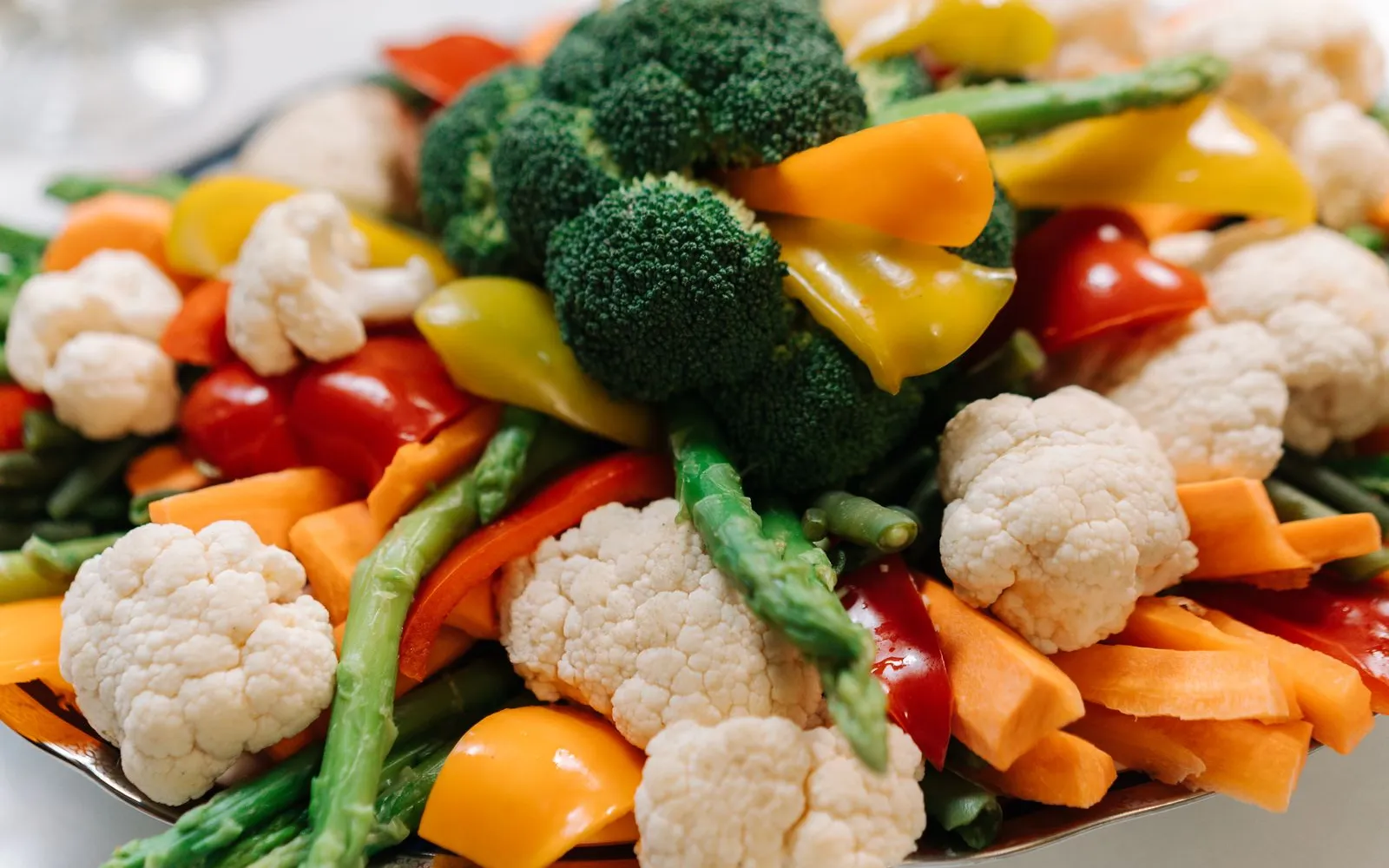
Drinks use different rules. Fruit, vegetables, plain fish (fresh or frozen), eggs, unsalted nuts and porridge oats are all lower salt choices.
On the front of a pack, that’s the colour code. Green means low, amber means medium and red means high.
Why bother? Adults should have no more than 6g of salt a day, around 1 level teaspoon. About three quarters of the salt we eat is already in food we buy, such as bread, cereal, meat products and ready meals.
- 0.3 g or belowLow (green).
- Above 0.3 up to 1.5 gMedium (amber).
- Above 1.5 gHigh (red).
Label shows sodium, not salt? Sodium is the part of salt that matters for health.
Low is 0.1g of sodium or less per 100g. High is more than 0.6g.
No salt figure at all? Read the ingredients. The closer to the top salt appears, the more it’s likely to contain.
Start with the five packs you buy most. Check each one’s salt line.
What are good low salt snacks?
Crisps and salted nuts are the usual culprits. The NHS and BHF suggest these swaps.
| Instead of | Try |
|---|---|
| Crisps | Plain, unsalted popcorn, or carrot or cucumber sticks. |
| Vegetable or lentil crisps | The same swaps. These are usually just as salty as crisps. |
| Salted nuts | Unsalted nuts and seeds. |
| Flavoured rice cakes | Plain rice cakes with nut butter, avocado, banana or berries. |
| Protein or snack bars | Greek yogurt, boiled eggs or a handful of unsalted nuts. |
| Ham or cheese sandwich | Egg, or tuna tinned in spring water. |
Fruit counts too. The NHS lists plain rice cakes, fruit, vegetable sticks or unsalted nuts as healthier snacks.
Buying nut butter? Pick one with no added salt. More ideas for the office are in healthy snacks for work.
Which healthy foods are high in salt?
Cheddar is the classic trap. Reduced-fat cheddar may have even more salt than standard cheddar. A food can be good for you in one way and still salty.
| Food | The catch | Lower salt swap |
|---|---|---|
| Reduced-fat cheddar | May be saltier than standard cheddar. | Cottage cheese, quark or ricotta. Still check the label. |
| Sliced bread | 2 medium slices give about 0.8g. | Compare labels and pick the lowest. |
| Breakfast cereal | Some, even ones with health claims, can be surprisingly salty. | Porridge oats, wheat biscuits or some mueslis. |
| Smoked fish | Smoked fish is high in salt. | Plain fish, fresh or frozen. |
| Shop-bought soup and stock | Can be high in salt. | Low or no-salt versions, or make your own. |
| Kimchi and sauerkraut | Often a lot of added salt. | Reduced-salt versions, or smaller amounts. |
Source: BHF
That 0.8g of bread is about 13% of your 6g. Brands differ too. Blood Pressure UK found one loaf with 1g of salt per slice and a similar one with half that.
Pick the foods you eat every day and compare two brands of each.
See also how much salt per day, salt and blood pressure and normal blood pressure.
Low sodium meals and dinners
Ready meals, takeaways and breaded chicken are often salty. So are sausages, bacon and ham. Cooking your own lets you set the salt.
Six ways to build a low salt dinner
- Use plain fish, fresh or frozen, instead of smoked fish.
- Use beans, lentils or chickpeas canned in water, or plain tofu.
- Marinate meat or fish in lemon or lime, or in yogurt and spices.
- Flavour with herbs, garlic, chilli, ginger, black pepper or lemon juice.
- Choose low-salt stock cubes and soy sauce, or make your own stock.
- Taste your food before you add any salt, and keep the shaker off the table.
Sources: BHF; Blood Pressure UK; NHS
Buy tinned vegetables, pulses or fish in water instead of brine (salty water). Draining and rinsing tins can help remove salt, but no added salt is better.
Go easy on ketchup, mustard, mayonnaise, brown sauce and gravy granules. The NHS lists them as sauces that can be high in salt.
Will low salt food taste bland?
At first, maybe. Blood Pressure UK says that after a few weeks your taste buds will adjust. It compares it to switching to tea without sugar.
Cut down bit by bit. The NHS suggests cutting the salt you add over a few weeks. You may find you don’t miss it.
Sea salt, rock salt and pink salt don’t help. The BHF says they’re no healthier than table salt and count towards the same 6g.
Salt substitutes swap some sodium for potassium. NICE says ones made with potassium (potassium chloride) should not be used by some people.
That includes older people, people with diabetes or kidney disease, pregnant women, and people on some blood pressure medicines. Read whether salt substitutes are safe before trying one.
When to speak to a GP
Eating too much salt can raise your blood pressure. High blood pressure does not usually cause any symptoms. Speak to a pharmacist or GP if:
- You’re 40 or over and have not had your blood pressure checked for more than 5 years.
- Your reading is 140/90 or higher at a surgery, or 135/85 or higher at home.
- You have diabetes or kidney problems and want to try a salt substitute. Blood Pressure UK says to check with your doctor or nurse first.
- You often have headaches or blurred vision, have chest pain that comes and goes, or have other symptoms you’re worried could be caused by high blood pressure. Call 111.
Fizzy and soluble tablets can hold sodium equal to 1g of salt. The NHS says to speak to your GP before changing any medicines. Never stop or change a prescribed medicine without your prescriber.
Call 999 for sudden pain or discomfort in your chest that does not go away. It can feel like squeezing or pressure, burning or indigestion.
Also call for pain that spreads to your arm, neck, jaw, stomach or back. Or for chest pain with sweating, feeling sick, light-headed or short of breath.
The NHS says these could mean a heart attack.