How can I lower my blood sugar naturally?
Cut sugary drinks and white carbs, and walk after meals. But pick your exercise with care. An easy walk tends to bring sugar down, while a sprint or heavy lift tends to push it up.
On this page
How can I lower my blood sugar naturally?
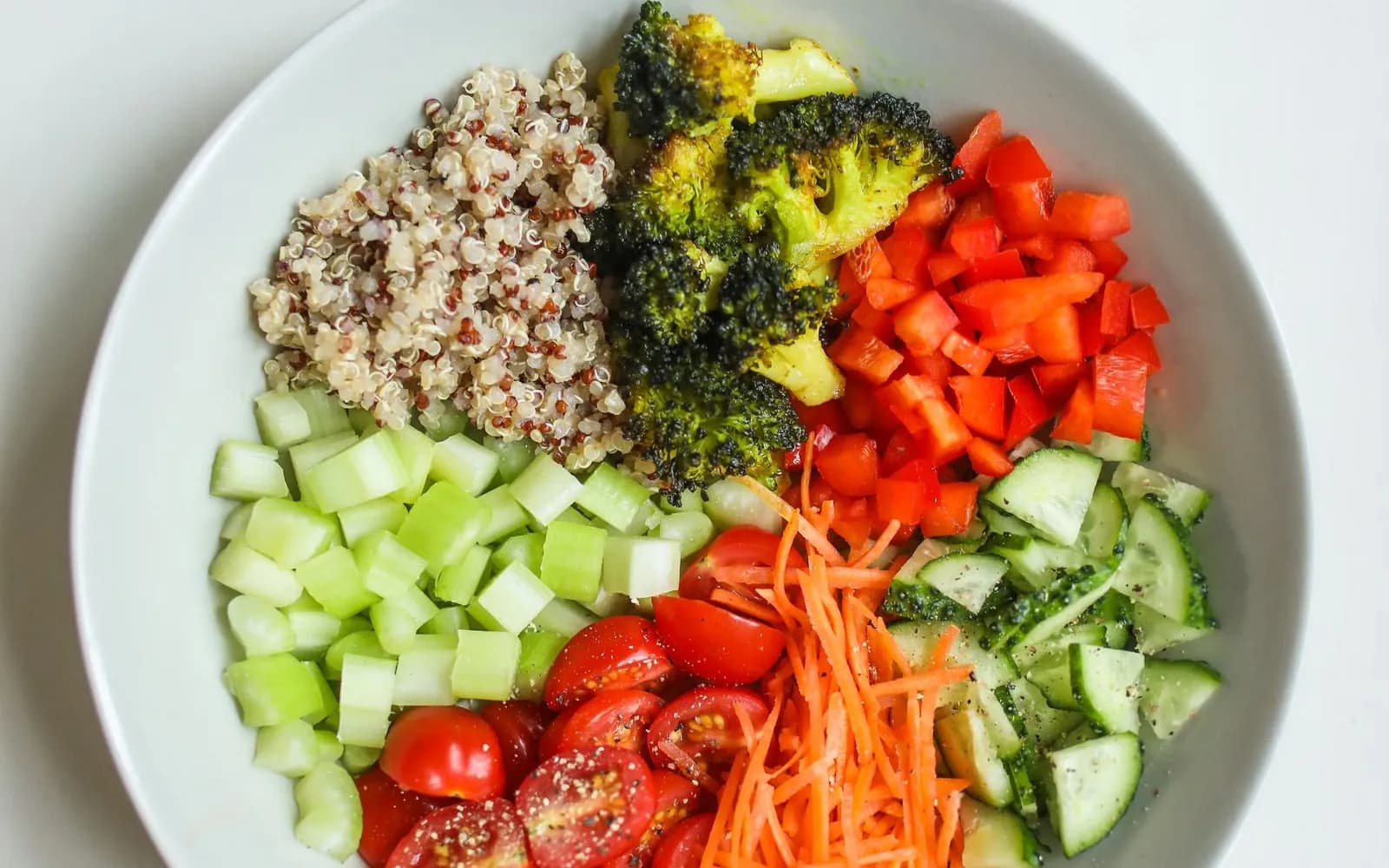
Eat less sugary and starchy food, move more and lose weight if you’re overweight. Those are the NHS steps to lower blood sugar for people with diabetes, along with managing stress. They suit anyone trying to bring it down.
Each step matches something that pushes sugar up. Find yours below and start there.
| What pushes it up | What helps |
|---|---|
| Too much sugary or starchy food | Swap sugary drinks and white carbs first. |
| Being less active than usual | Exercise regularly. A 10-minute walk after a meal is a good start. |
| Feeling stressed | Find ways to manage stress. |
| Being unwell | With diabetes, follow your care team’s advice for sick days. |
| Missing doses of diabetes medicine | Take it as prescribed. Don’t skip or change a dose unless told to. |
Sources: NHS; Diabetes UK
Carrying extra weight? Losing even 1% to 9% of your weight can help insulin work better, says Diabetes UK. At 75 kg, that’s 0.75 kg to 6.75 kg.
If you’re underweight, losing more is not safe.
Pick one change for this week. The NHS says a small change every week can make it easier.
Is my blood sugar too high?
| Test | High if | Who it’s for |
|---|---|---|
| HbA1c (your average over 2 or 3 months) | 48 mmol/mol or over | People with diabetes |
| Fasting test by a health professional | Over 7 mmol/L | People with diabetes |
| Home test on waking or before eating | Over 7 mmol/L | People with diabetes |
| Home test at least 90 minutes after eating | Over 11 mmol/L | People with diabetes |
| Fasting test | 5.5 to 6.9 mmol/L means high risk of type 2 | People without diabetes (NICE) |
| HbA1c | 42 to 47 mmol/mol means high risk of type 2 | People without diabetes (NICE) |
The NHS says these levels are a guide. Yours may differ with your age and type of diabetes, so check with your care team.
Slightly high for a short time is not usually a serious problem. It matters if it stays high for a long time or gets very high.
Checked after a meal? See blood sugar after eating. With diabetes, see diabetic blood sugar levels.
What foods lower blood sugar?
Think swaps, not one magic food. Diabetes UK says no food is off limits. It’s about choosing better ones more often.
| Instead of | Try |
|---|---|
| Cola or lemonade | Water, or diet or no added sugar drinks |
| Sugary tea or coffee | Tea or coffee without sugar |
| White bread, rice and pasta | Wholemeal bread, brown rice, wholemeal pasta |
| Crisps, biscuits, cake, sweets | Fruit, unsalted nuts and seeds, or yoghurt |
| Sweetened yoghurt | Plain natural or Greek yoghurt |
| Bacon, ham, sausages | Beans, lentils, eggs, fish or chicken |
Source: Diabetes UK
Why brown over white? White, refined carbs raise blood sugar more quickly than wholegrain ones.
Fruit is fine. You can eat any fruit, but watch the portion: a handful of grapes or a heaped tablespoon of raisins. Apples, grapes, berries and leafy greens like spinach are linked with a lower risk of type 2.
Juice and smoothies are different. Keep them to one small glass (150 ml) a day.
Vitamin and mineral tablets do not cut your risk of type 2. For a full list of what to eat, see foods for type 2 diabetes.
Does exercise lower blood sugar?
Yes, but the kind matters. Being active helps insulin work better. Insulin is the hormone that controls blood sugar.
| Activity | What it tends to do |
|---|---|
| Walking, swimming or cycling without getting out of breath quickly | Lower blood sugar |
| Short, fast, powerful moves: sprinting, punching, weightlifting | Push blood sugar up |
| Standing up for a while every 30 to 45 minutes | Can help lower blood sugar |
Source: Diabetes UK
That’s the twist from the top: easy walks lower sugar, short hard efforts push it up. Don’t drop strength work, though. Diabetes UK still suggests strength moves, such as curls with tins or bottles.
Start with a 10-minute walk after a meal. Build up to at least 2.5 hours a week of walking or anything that leaves you out of breath.
On insulin or other medicine that lowers sugar? Check your levels before and after exercise. More in walking after meals.
Is there a quick fix for high blood sugar?
There’s no quick fix, says Diabetes UK. Small changes you keep up work best, and sugar can creep back up if you stop.
Your HbA1c shows your average over 2 or 3 months. At high risk of type 2? NICE says you should be offered a blood test at least once a year.
See how to lower HbA1c.
Your blood sugar checklist
- Swap sugary drinks for water, or tea or coffee without sugar.
- Choose brown over white: wholemeal bread, brown rice and wholemeal pasta.
- Keep juice and smoothies to one small glass (150 ml) a day.
- Take a 10-minute walk after a meal.
- Stand up for a while every 30 to 45 minutes.
- Build up to at least 2.5 hours a week of walking or activity that leaves you out of breath.
Sources: Diabetes UK; Diabetes UK: exercise; NHS
On insulin or other diabetes medicine? Don’t start a very strict, low-calorie diet without talking to a health professional first. Never stop or change a prescribed medicine without your prescriber.
When to speak to a GP
- You’ve tried to lower your blood sugar but it’s still high or you still have symptoms.
- You have signs of high blood sugar but no diabetes diagnosis: feeling very thirsty, peeing a lot, feeling weak or tired, blurred vision or losing weight.
- You take diabetes medicine and have vomiting, diarrhoea or a very high temperature. Ask for an urgent GP appointment or get help from NHS 111.
- You have prediabetes and plan to change your diet, lose weight or start a new activity. Diabetes UK says speak to your GP first.
Call 999 or go to A&E if you think your sugar is high and you feel or are sick, or have stomach pain. Also if you’re breathing faster or your heart is beating faster than usual.
The same goes if you feel drowsy or struggle to stay awake, or feel confused or can’t concentrate. Or if your breath smells fruity (like pear drops).
Or if a test shows high ketones in your blood or pee. Ketones are chemicals your body makes when it burns fat because it can’t use sugar.
Don’t drive yourself to A&E. Ask someone to drive you, or call 999 for an ambulance.