What is mindfulness-based stress reduction?
An 8-week mindfulness course for stress. You meet weekly and practise daily at home. In a trial of people with anxiety disorders, it worked about as well as a common medicine. The catch is time.
On this page
What is mindfulness-based stress reduction?
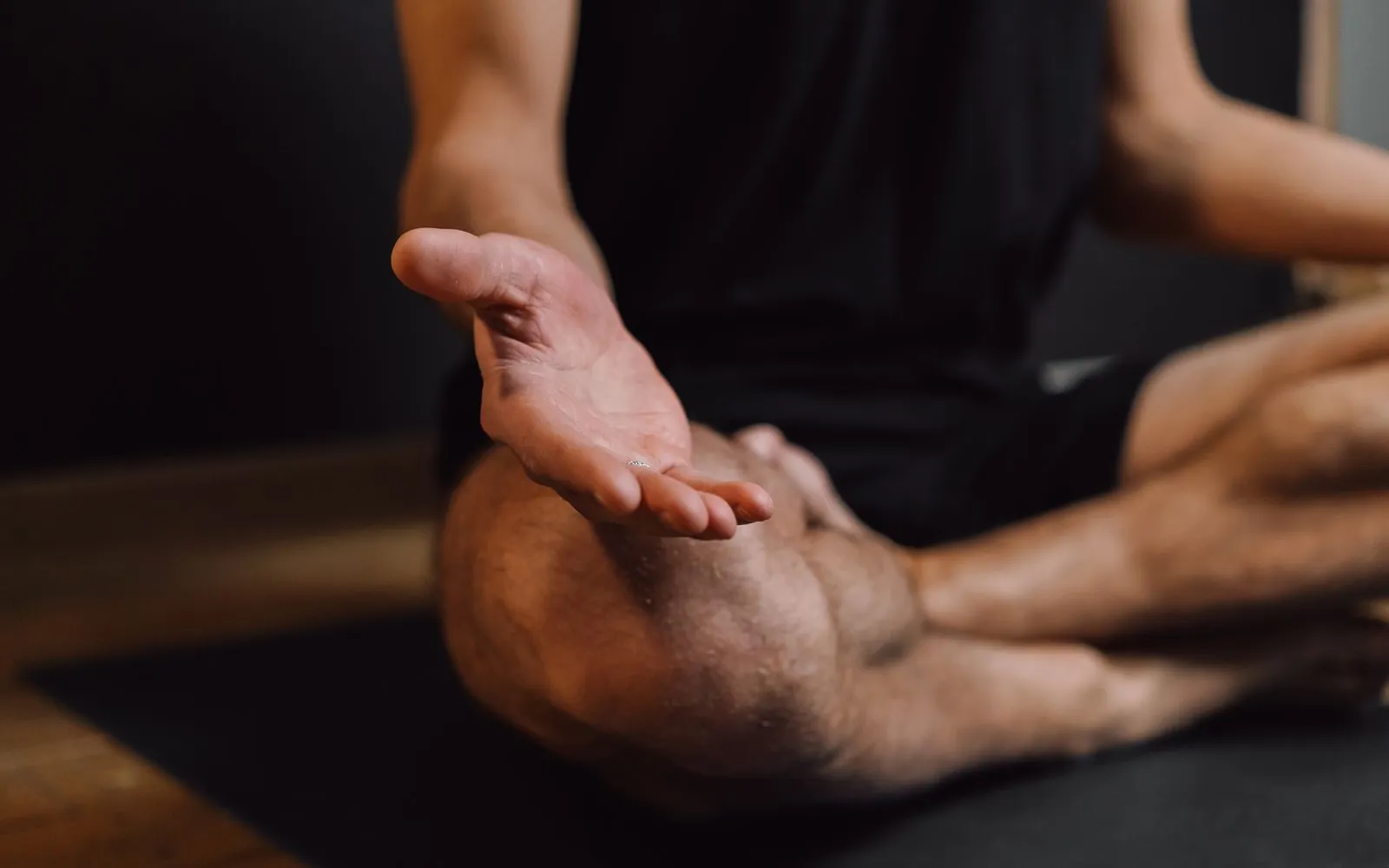
MBSR is a set course that teaches mindfulness meditation in a group. It runs for 8 weeks, with a teacher.
The meditation itself is simple to describe. You sit quietly and notice your breath, sounds or parts of your body. Each time your mind wanders, you bring your attention back.
What an 8-week MBSR course asks of you
- 1
A weekly class
One 2.5-hour group session a week, for 8 weeks.
- 2
Practice at home
About 45 minutes of guided meditation a day.
- 3
One long day
A day-long retreat during the course.
Sources: Brown University; NHS
That’s the catch: about 45 minutes a day on top of the classes. Researchers at Brown University list the time it takes as one of its biggest hurdles.
Look at your week before you book. Can’t find that time most days? Start with the short daily practice further down.
Does mindfulness stress reduction work?
For stress, the studies so far look good. A review of 29 MBSR studies in 2,668 healthy adults found large effects on stress and moderate effects on anxiety and low mood.
In the studies that checked, those gains held at follow-up, on average 19 weeks later. The studies varied a lot, so take the size of the effect as a rough guide.
What it’s compared with matters. Beating the sofa is easier than beating another class.
| Compared with | What a review of 136 trials in everyday settings found |
|---|---|
| Doing nothing | Less anxiety, low mood and distress, in most but not all analyses. |
| A different activity of similar length | Low mood improved more. No clear gain for anxiety or distress. |
| Another activity chosen to help | No clear sign that mindfulness was better. |
Source: Galante 2021, PLoS Medicine
In everyday settings like work, college or the community, a mindfulness course is likely better than doing nothing. The authors say other ways to prevent problems may work just as well.
Pick the one you’ll keep doing. If that’s a walk, see nature walks and stress.
Is MBSR as good as medicine for anxiety?
In one trial, yes. 276 US adults with a diagnosed anxiety disorder did either the 8-week course or took escitalopram. That’s an antidepressant often used first for anxiety disorders.
Of the 208 who finished, anxiety fell by about the same in both groups. MBSR was no worse than the medicine.
Source: Hoge 2023, JAMA Psychiatry
It’s one trial, in people with a diagnosed anxiety disorder. It doesn’t mean a course can replace your medicine.
Never stop or change a prescribed medicine without your prescriber. Want to try MBSR as well? Ask them about it.
For other options, see natural remedies for anxiety.
MBSR or MBCT: what is the difference?
They sound alike but do different jobs. MBCT, mindfulness-based cognitive therapy, is a course made for people with depression.
| Option | Made for | What it involves |
|---|---|---|
| MBSR | Stress | 8 weekly 2.5-hour classes, a day retreat and about 45 minutes of home practice a day. |
| MBCT | Depression | Usually 8 group sessions of 8 to 15 people, plus recordings to use at home. |
| Everyday mindfulness | Anyone | Noticing your thoughts, feelings and the world around you as you go about your day. |
Sources: Brown University; NICE NG222; NHS
NICE lists group mindfulness, such as MBCT, as one option for less severe depression. NICE says it may be hard if you have intense or very upsetting thoughts.
Low most days, not just stressed? Ask your GP about MBCT rather than booking MBSR yourself.
How can I try MBSR in the UK?
Check the teacher first. BAMBA, the UK body for mindfulness teachers, has a Find a Teacher register and a list of groups that run MBSR.
Ask at work too. NICE says employers should offer all staff, or help them access, mindfulness, yoga or meditation, in a group or online. More in work stress.
Not ready for 8 weeks? Start smaller this week.
Six NHS ways to start being mindful this week
- Pick a regular time, like your journey to work or a lunchtime walk, to notice what’s around you.
- Notice everyday things, like the taste of your food or the air as you walk.
- Sit quietly and notice your breath. Bring your attention back each time your mind wanders.
- Silently name thoughts as they come, such as “This is anxiety”.
- Busy mind? Try gentle yoga or walking instead of sitting still.
- Try something new, like a different seat in meetings or a new lunch spot.
Source: NHS: mindfulness
The aim isn’t to stop your thoughts. The NHS says it’s to see them as things that come and go.
Some people find mindfulness doesn’t help or makes them feel worse. If that’s you, try breathing or muscle relaxation from relaxation techniques.
When to speak to a GP
A course can help, but it isn’t the only help. See a GP if:
- You’re struggling to cope with stress.
- Things you’re trying yourself, mindfulness included, are not helping.
- You’d like a referral. Aged 18 or over (16 in some areas) and registered with a GP? You can also refer yourself to NHS talking therapies.
- You need help urgently, but it’s not an emergency. Call 111 and choose the mental health option, or ask for an urgent GP appointment.
- Call 999 or go to A&E if someone’s life is at risk, you’ve seriously harmed yourself, or you don’t feel you can keep yourself or someone else safe.
Need to talk to someone now? Samaritans are free on 116 123.
For more ways to ease stress, see how to reduce stress and meditation for sleep.