What’s the best multivitamin for women?
One with 10 micrograms of vitamin D. It’s the one supplement the NHS says every woman should consider in autumn and winter. But one ingredient in many multivitamins is off-limits in pregnancy.
On this page
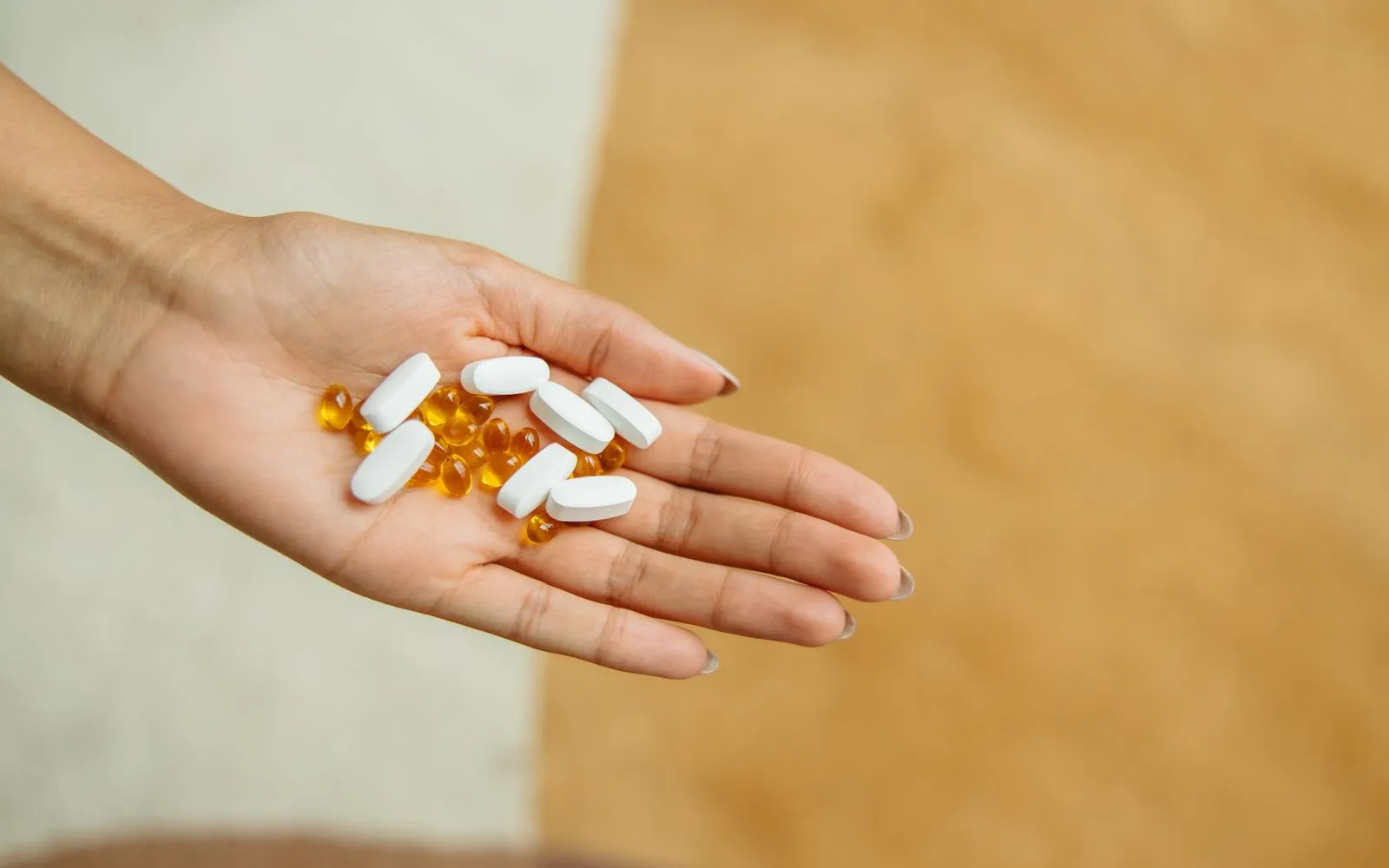
What is the best multivitamin for women?
The best one is the one whose label fits your life. Judge it by the numbers on the back, not the brand or the packaging.
Start with vitamin D. The NHS says to consider 10 micrograms a day in autumn and winter, when the sun is too weak for your skin to make enough.
Rarely outdoors, or cover most of your skin outside? Take 10 micrograms all year. With dark skin, for example an African, African-Caribbean or south Asian background, consider it all year too.
- Below 10 microgramsLess than the 10 the NHS suggests.
- 10 up to 100 microgramsNHS: 10 is enough for most people. Some conditions mean less is safe; ask your doctor.
- Above 100 microgramsNHS: more could be harmful, unless a doctor advises it.
Source: NHS vitamin D
Label in IU? Divide by 40. The NHS says 10 micrograms is 400 IU, and the top daily amount is 100 micrograms (4,000 IU).
Find the vitamin D line on your pack now. Then read on for the parts that depend on your life stage.
Do women need a multivitamin at all?
Most don’t. The NHS says most people get what they need from a varied and balanced diet, though some may need extra.
A US review looked at 84 studies and nearly 740,000 adults with no known shortfall. Supplements were linked with little or no protection from heart disease, cancer or death.
Multivitamins were linked with a small drop in cancer cases. But the reviewers said that evidence had important limitations.
So a multivitamin is a top-up, not a shield. It earns its place when it fills a real gap, such as vitamin D in winter or iron with heavy periods.
Women with heavy periods have a higher risk of low iron and may need iron supplements.
Think your iron is low? What happens next
- 1
See a GP
Tiredness, shortness of breath, noticeable heartbeats, paler skin or headaches can be signs.
- 2
Blood test
The GP will usually check a full blood count.
- 3
Treatment
If your red blood cell count is low, iron tablets for about 6 months.
Source: NHS iron deficiency anaemia
More in do I need a multivitamin? and periods and iron levels.
Which vitamins do women need most?
| Your life stage | Look for | Avoid or limit |
|---|---|---|
| Aged 19 to 49 | Vitamin D 10 micrograms. Iron: you need 14.8 mg a day. | Iron supplements over 17 mg, unless a GP advises more. |
| Could get pregnant | Folic acid 400 micrograms a day. | Folic acid over 1 mg a day, unless a GP prescribes the 5 mg dose. |
| Pregnant | Folic acid 400 micrograms until 12 weeks. Vitamin D 10 micrograms. | Any vitamin A (retinol). Cod liver oil. |
| After the menopause | Vitamin D 10 micrograms. Aged 50 and over with no periods: iron need falls to 8.7 mg. | Vitamin A over 1.5 mg a day, from food and supplements together. |
| You smoke, or have been exposed to asbestos | The same as your life stage. | Any beta-carotene. |
Sources: NHS iron; NHS folic acid; NHS pregnancy; NHS vitamin A; NHS beta-carotene
The pregnancy no-go is vitamin A, found in many multivitamins. The NHS says too much can harm your baby’s development, so pick a pregnancy one without it.
After the menopause, count your total. Some research suggests more than 1.5 mg a day on average over many years may make bones more likely to break when you’re older.
Liver, pâté, fish liver oil and your multivitamin all add to it.
Eat liver every week? Then the NHS says take no supplements with vitamin A.
Beta-carotene is an orange plant pigment the body turns into vitamin A. The NHS says its supplements raised lung cancer risk in people who smoke or were heavily exposed to asbestos at work. If that’s you, pick one with none.
Over 40? See vitamins for women over 40, 50 and 60.
What to look for in a multivitamin for women
Take your pack, or the product page, and run these checks. A multivitamin that passes all six is a good one for you.
Six checks before you buy a multivitamin
- Vitamin D: look for 10 micrograms (400 IU). Take no more than 100 micrograms a day, unless your doctor advises a different amount.
- Iron: keep supplements to 17 mg a day or less, unless a GP advises more.
- Folic acid: if you could get pregnant, look for 400 micrograms. Keep it to 1 mg a day or less, unless a GP prescribes more.
- Vitamin A (retinol): none if you’re pregnant. After the menopause, keep food and supplements to 1.5 mg a day or less.
- Beta-carotene: choose one with none if you smoke or have been exposed to asbestos.
- Vegan? Look for at least 10 micrograms of B12 a day.
Sources: NHS vitamin D; NHS iron; NHS folic acid; NHS vitamin A; NHS beta-carotene; BDA
Taking vitamin D on its own as well? Add both labels together, as the top limit is for everything you take in a day. More in can you take too much vitamin D?
Keep iron out of reach of children. The NHS says very high doses can be fatal, especially for a child.
Gummy or vegan vitamins for women: what changes?
Prefer gummies? Judge them the same way. The six checks are about the numbers on the label, whatever shape the vitamin comes in.
Vegan? B12 comes first, as the British Dietetic Association (BDA) says the only reliable vegan sources are fortified foods (foods with added vitamins) and supplements. Quoting the Vegan Society, it suggests a supplement of at least 10 micrograms a day.
Check the vitamin D too. The NHS says to read the label to make sure it isn’t from an animal source.
Iodine is the other one to check. Adults need 140 micrograms a day.
On a strict vegan diet, the NHS says you may want fortified foods or an iodine supplement. Ask a healthcare professional before taking one.
When to speak to a GP
Low iron or B12 can feel like everyday tiredness. A blood test beats a guess. Book an appointment if:
- You think you may have low iron (iron deficiency anaemia): tiredness, shortness of breath, noticeable heartbeats, paler skin or headaches.
- Your periods are heavy. The NHS says you may need iron supplements, and a GP or registered dietitian can advise.
- You have signs of low B12 or folate: extreme tiredness, a lack of energy, pins and needles, a sore red tongue, mouth ulcers, muscle weakness, problems with your vision, low mood or anxiety, confusion, or problems with memory, understanding and judgement. The NHS says to get it treated as soon as possible.
- You’re planning a pregnancy or are less than 12 weeks pregnant, and have diabetes or a blood condition such as sickle cell anaemia or thalassaemia, or take medicine for epilepsy or HIV. Or you, the baby’s father or a relative of either of you has had a neural tube defect (a brain or spine problem like spina bifida), or a past pregnancy had one. Ask about the 5 mg folic acid dose.
Never stop or change a prescribed medicine without your prescriber. More on B12 deficiency symptoms and the iron deficiency blood test.