Napping: how long should a nap be?
About 10 to 20 minutes. Go to 30 and you may wake groggy. 200mg of caffeine (about two cups of instant coffee) just before you lie down gave a bigger lift in two small studies.
On this page
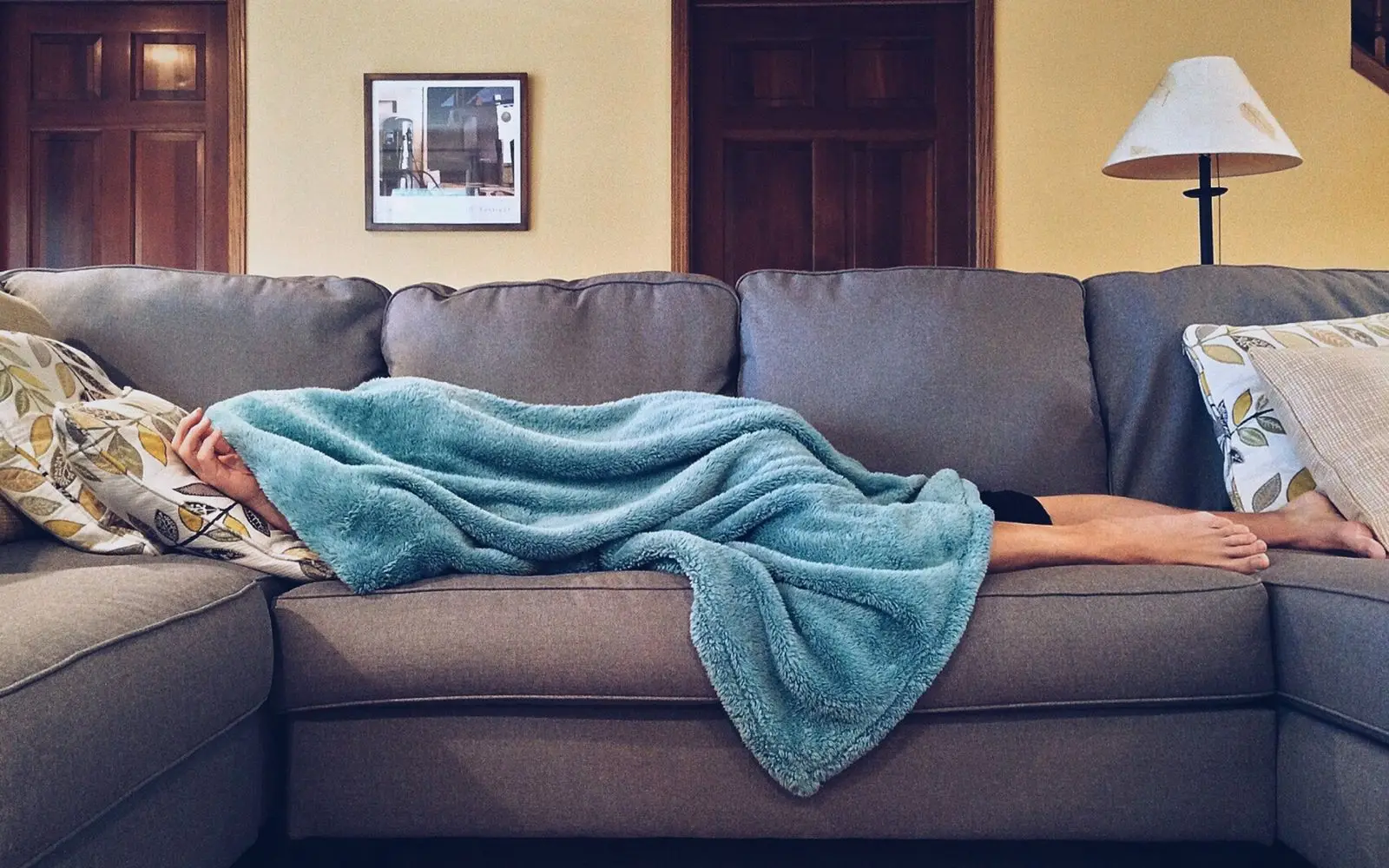
How long should a nap be?
Aim for about 10 to 20 minutes of sleep. That comes from a lab study of 24 healthy young adults. They were good sleepers who did not usually nap, and had about 5 hours of sleep the night before.
- Below 10 minutes5 minutes: few benefits.
- 10 up to 20 minutesThe short naps that helped most.
- Above 20 to just under 60 minutes30 minutes: groggy first, then a lift. Longer naps weren't tested.
- 60 minutes or aboveAn hour or more a day: linked to heart and circulation disease.
Sources: Brooks 2006; Yamada 2015
A 10-minute nap made people more alert straight away. Some of that lift lasted up to 155 minutes. The researchers called it the most effective length they tested.
A power nap, an energy nap and a catnap are all names for this kind of short nap.
Your first move: set an alarm before you lie down, so a short nap stays short.
Is a 20 minute power nap better than 30?
For a quick start, yes. People woke from 30 minutes with worse alertness and performance at first. That heavy, foggy spell is called sleep inertia.
| Minutes asleep | Straight after | Later on |
|---|---|---|
| 5 | Few benefits over no nap. | Few benefits over no nap. |
| 10 | Better straight away. | Some gains lasted up to 155 minutes. |
| 20 | Gains not showing yet. | Gains from 35 minutes after waking, lasting up to 125 minutes. |
| 30 | Groggy and slower. | Then gains for up to 155 minutes. |
Source: Brooks 2006
So a 30-minute nap still pays off. You just pay a groggy spell first.
The study counted minutes asleep, not minutes lying down. So set your nap timer a few minutes longer than the sleep you want, to give yourself time to drop off.
Woke up foggy anyway? Here is how to shake off grogginess.
Does a coffee nap work?
In two small studies, yes: caffeine first, then a short nap straight away.
In Japan, 10 young adults took 200mg of caffeine and a 20-minute nap at 12:40. It beat a nap alone for sleepiness and performance, for the full hour tested.
A UK study gave 12 sleepy drivers 200mg of caffeine and a nap of under 15 minutes before a 2-hour drive in a car simulator.
Source: Reyner and Horne 1997
Can’t fall asleep? Light dozing still worked in the driving study.
The NHS says a cup of instant coffee has about 100mg, so 200mg is roughly two cups. Filter and coffee-shop coffee can contain more.
Pregnant? The NHS says to have no more than 200mg of caffeine a day.
Napping later in the day? Check when to stop caffeine before bed.
What is the best time for a nap?
No study here names one best time; they tested 12:40 and 3pm.
In the driving study, sleepiness peaked mid-afternoon. Caffeine plus a nap wiped out that peak. So an early to mid-afternoon nap lines up with that dip.
A short afternoon nap, step by step
- 1
Pick your slot
The studies tested naps at 12:40 and 3pm.
- 2
Coffee first, if you like
200mg of caffeine, then lie down straight away.
- 3
Set a timer
A few minutes longer than the 10 to 20 minutes of sleep you want.
- 4
Get up and go
Slept 30 minutes? Expect a groggy spell first.
Sources: Brooks 2006; Hayashi 2003
Sleepy at the wheel? The Highway Code says stop in a safe place, not on a motorway hard shoulder or in an emergency area.
Have insomnia? The NHS says do not nap during the day. After a bad night, stick to your regular sleep hours instead of sleeping in.
A disco nap, the nap before a late night out, hasn’t been studied. Working nights? See sleep for shift workers.
Are long naps bad for you?
Long ones may be. Pooled data on over 150,000 people followed for about 11 years tracked how long they napped.
Naps of 60 minutes or more a day were linked to more heart and circulation disease and more deaths, compared with no nap. Naps under 60 minutes a day were not linked to either.
Linked means seen together, not proven to cause. The authors say more studies are needed.
Need a long nap most days? Check you get the 7 to 9 hours the NHS says adults need on average. Here is how much sleep you need for your age.
Splitting your sleep on purpose? See biphasic sleep.
Your napping checklist
- Aim for about 10 to 20 minutes of sleep.
- Set your nap timer a few minutes longer than the sleep you want.
- For a bigger lift, have caffeine just before a short nap (it helped in two small studies).
- Keep daytime naps under 60 minutes.
- Skip daytime naps if you have insomnia, as the NHS advises.
- If you feel sleepy while driving, stop in a safe place.
Sources: Brooks 2006; Hayashi 2003; Yamada 2015; NHS: insomnia; Highway Code
When to speak to a GP
Book an appointment if:
- You often fall asleep during the day, or sleepiness is affecting your life. The NHS calls this excessive daytime sleepiness. Read more in our daytime sleepiness guide.
- You fall asleep suddenly during the day, or feel tired all the time for no reason.
- Your breathing stops and starts in your sleep, you make gasping, snorting or choking noises, or you always feel very tired during the day. These can be signs of sleep apnoea, when breathing stops and starts in sleep. It can be serious if not treated.
- Changing your sleep habits hasn’t helped your insomnia, you’ve had trouble sleeping for months, or it makes daily life hard to cope with.
Has someone seen you stop breathing or gasp in your sleep? The NHS says it can help to bring them with you to the GP.