Does nicotine help anxiety?
If you smoke, no: it increases anxiety over time. The quick calm fades, then the craving makes you tense. Quitting can feel worse at first, for 3 to 4 weeks on average.
On this page
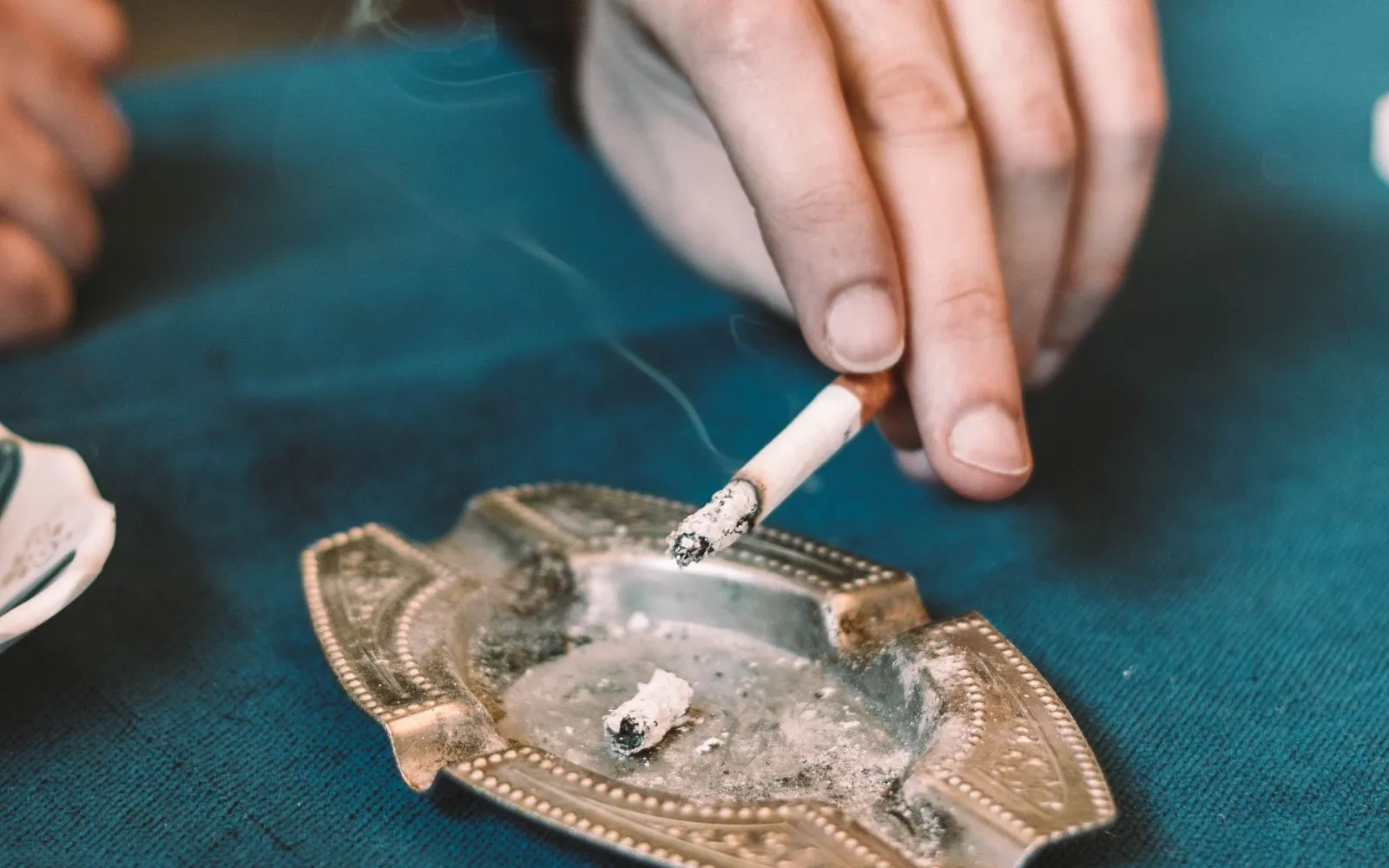
Does nicotine help anxiety or make it worse?
Worse, over time. Many people smoke to relax. But the NHS says smoking actually increases anxiety and tension.
So why does it feel like it helps? Nicotine quickly reaches your brain and gives a short burst of calm. As it leaves, it sets off withdrawal, such as irritability and anxiety. The next cigarette eases those feelings.
The calm is real but short. The craving brings the tension back.
- 1
Light up
Nicotine quickly reaches your brain. You feel calm.
- 2
It wears off
As nicotine leaves, you feel irritable and anxious.
- 3
Craving
Many smokers mistake this for everyday stress.
- 4
Light up again
The tension eases, so smoking seems to help.
Sources: NHS Better Health; NHS
Think of shoes that are too tight. Taking them off feels great, but the shoes caused the pain. The NHS says smoking itself is likely to have caused the anxiety in the first place.
So a cigarette doesn’t fix the worry you lit up for. In the NHS’s words, it just hides it for a bit.
Next time you feel tense, check how long it’s been since your last one. If the tension grows with the gap, that’s the cycle.
Will quitting make my anxiety worse?
For a few weeks, it might. That phase is nicotine withdrawal. The NHS lists feeling anxious, tense or low in mood as common, along with feeling restless and poor sleep.
Withdrawal is usually worst in the first 3 days, then fades
- 1
Within hours
Withdrawal can start within a few hours of your last cigarette.
- 2
First 3 days
Withdrawal is usually strongest now, and through week 1.
- 3
3 to 4 weeks
On average, symptoms last this long. Some people feel them for a few months.
- 4
28 days
Reach 28 days smoke-free and you’re 5 times more likely to quit for good.
Sources: NHS: withdrawal symptoms; NHS Better Health
After that, anxiety often falls. A Cochrane review, a large summary of research, looked at 15 studies of 3,141 people. Those who stopped smoking had bigger drops in anxiety than those who kept smoking.
The studies had flaws, so Cochrane rates its confidence as low. But it found people who quit are not likely to feel worse in the long run, with or without a mental health condition.
The NHS says evidence suggests the effect of quitting on anxiety and depression can equal taking antidepressants. So plan for the first 3 days. They’re usually the hardest.
Is it anxiety or nicotine withdrawal?
They can feel the same. How long it lasts is the clue.
| Clue | Nicotine withdrawal | Generalised anxiety (GAD) |
|---|---|---|
| What you feel | Anxious, tense, restless or irritable, with urges to smoke | Stress or worry that affects daily life and is hard to control |
| How long | On average 3 to 4 weeks, sometimes a few months | A GP may diagnose GAD if you’ve felt anxious a lot of the time for at least 6 months |
| What helps | Stop smoking products and support | A GP will usually suggest talking therapy before medicine |
Sources: NHS: withdrawal symptoms; NHS: GAD
Still anxious long after the cravings fade? See a GP if you think you might have GAD. Adults can also refer themselves to NHS talking therapies.
Check your coffee too. In one US study of 162 people quitting, caffeine levels had about doubled by week 3 in those who kept drinking it.
The NHS says caffeine can make it harder to control your anxiety. Go easy on coffee, tea, cola and energy drinks while you quit. See when to stop caffeine for sleep.
What helps anxiety when you stop smoking?
Nicotine itself can help here. The NHS says nicotine products or nicotine-free medicines can ease anxiety, irritability and low mood when you quit.
Six NHS steps for anxiety while you quit
- See your local NHS stop smoking service. It’s free and raises your chances of quitting for good.
- Pair a patch with a fast-acting product, like a mouth spray or vape.
- When a craving hits, breathe in slowly through your nose and out gently through your mouth.
- Try a quick burst of activity to take your mind off smoking.
- Go easy on coffee, tea, cola and energy drinks.
- Mark each smoke-free day. Aim for 28 days.
Sources: NHS: withdrawal symptoms; NHS: mental health benefits; NHS: GAD
Why 28? The NHS says cravings usually take 28 days to fade. People often feel less anxious once they’re past them.
A stop smoking adviser can also talk you through two prescription medicines, varenicline (Champix) and bupropion (Zyban). For patches, see how nicotine patches work.
What about vapes and nicotine pouches?
The research above is about smoking. It doesn’t show whether vaping or pouches on their own raise anxiety.
The NHS links withdrawal to your body being dependent on nicotine.
If you smoke, the NHS suggests vapes as one way to quit. See does vaping help you quit.
Pouches are newer. There’s not enough independent evidence yet on how safe they are or how well they help people quit. More in are nicotine pouches safe.
When to speak to a GP
Book an appointment, or get help now, if:
- You think you might have GAD, or you have it and treatment isn’t helping.
- You take antidepressants or antipsychotic medicines (used for conditions like schizophrenia or bipolar disorder) and plan to quit. Talk to your GP or psychiatrist first, as your dose may need checking.
- You need urgent help for your mental health. Contact NHS 111 or ask for an urgent GP appointment.
- Someone’s life is at risk, such as a serious injury or overdose. Call 999 or go to A&E.
- You don’t feel you can keep yourself or someone else safe. Call 999 or go to A&E, and don’t drive yourself.
Need to talk to someone now? Call Samaritans on 116 123.
Never stop or change a prescribed medicine without your prescriber.
See also panic attack symptoms and natural remedies for anxiety.