Which foods boost nitric oxide?
Leafy greens and beetroot. Rocket, spinach, lettuce and celery are rich in nitrate, which your body turns into nitric oxide. But it needs a helper that antiseptic mouthwash can blunt.
On this page
Which foods boost nitric oxide?
No food contains nitric oxide itself. What you eat is nitrate, and your body turns some of it into nitric oxide, which helps blood vessels widen.
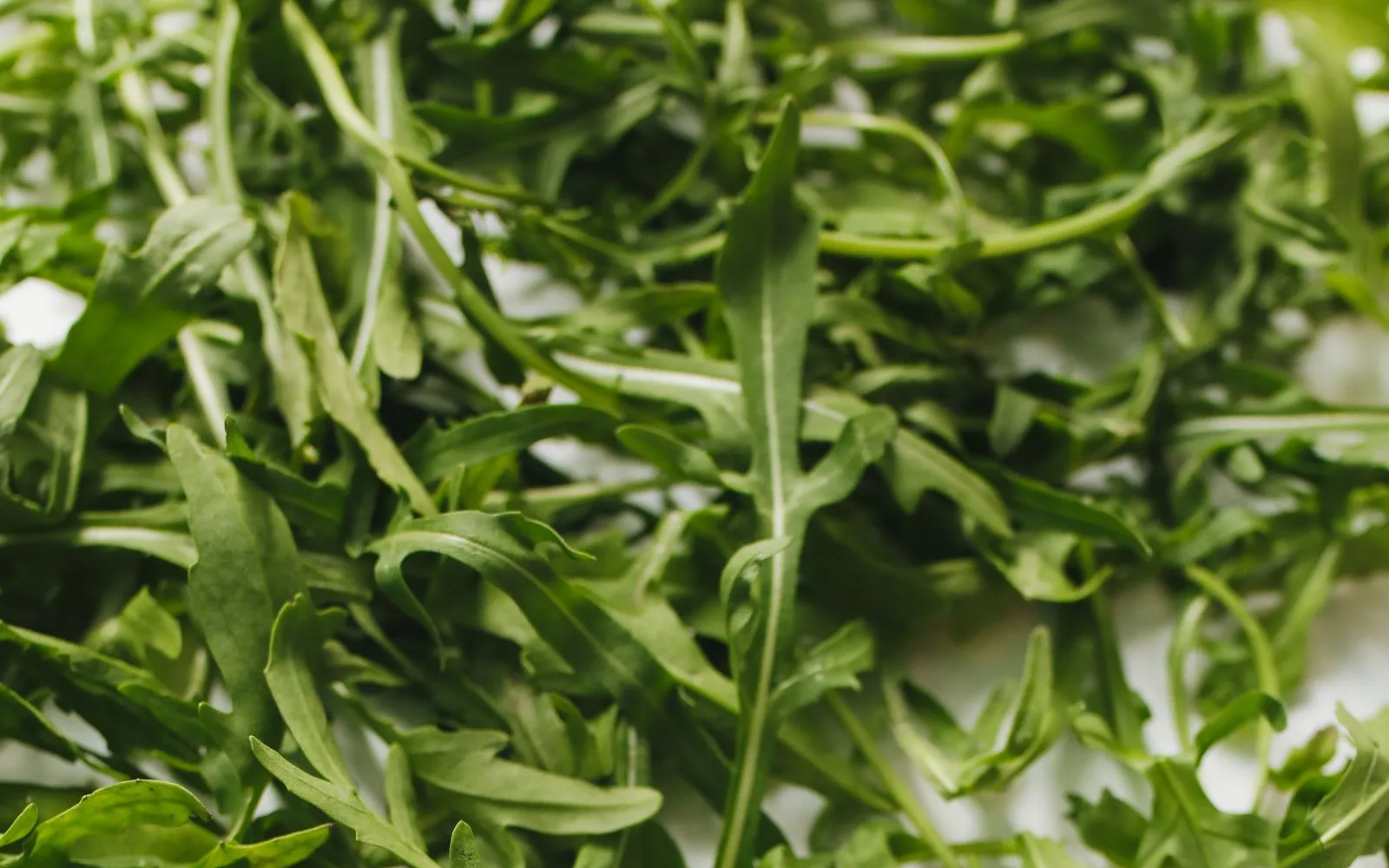
The richest sources are green leafy vegetables such as rocket, spinach and lettuce, plus beetroot and celery.
| Food | Nitrate in 100 g | Easy way to eat it |
|---|---|---|
| Rocket | 300 to 600 mg, sometimes more | A handful on pizza, pasta or eggs. |
| Spinach | 250 to 500 mg | Raw in a salad or stirred into a curry. |
| Beetroot | 250 to 400 mg | Roasted, grated raw or as juice. |
| Lettuce | 100 to 400 mg | In sandwiches and wraps. |
| Celery | 150 to 250 mg | Sticks with hummus, or in soup. |
| Cabbage, kale, broccoli, cauliflower | 50 to 250 mg | Steamed or stir-fried as a side. |
Source: Kurhaluk 2026 review
Amounts swing with how the crop was grown and stored. An adult portion is 80g, so one portion of spinach holds about 200 to 400 mg.
That can match the beetroot juice used in a UK blood pressure trial, which gave about 6.4 mmol a day. At 62 mg per mmol, that is about 400 mg.
Start today: add one 80g handful of rocket or spinach to a meal.
How do foods turn into nitric oxide?
How a salad becomes nitric oxide
- 1
You eat it
Nitrate from greens or beetroot gets into your blood.
- 2
Into your spit
Your salivary glands pull nitrate from your blood into your saliva.
- 3
Tongue bacteria
Bacteria on your tongue turn nitrate into nitrite.
- 4
Nitric oxide
Your body turns nitrite into nitric oxide, which widens blood vessels.
Sources: Kapil 2013; Webb 2008
That helper is the bacteria on your tongue. In a study of healthy volunteers, blocking this step stopped the fall in blood pressure after beetroot juice.
Mouthwash matters too. In 19 healthy adults, a week of antiseptic mouthwash cut nitrite made in the mouth by 90%. Their blood pressure rose by 2 to 3.5 mmHg.
Use an antiseptic mouthwash every day? Ask your dentist whether you need it.
Which drinks boost nitric oxide?
Beetroot juice is the drink most studies use. Beetroot gets far more attention in human trials than any other nitrate food.
A glass of juice can hold more nitrate than a normal portion of whole vegetables.
In the UK trial, 68 people with high blood pressure drank 250 ml a day for 4 weeks. Their clinic blood pressure fell by 7.7/2.4 mmHg compared with juice that had the nitrate taken out.
After people stopped, their blood pressure started to return to where it was.
The NHS says juices and smoothies shouldn’t be more than 150ml a day in total, ideally at mealtimes. That is less than the trial dose.
The studies we read did not test other drinks sold for nitric oxide. For doses and powders, see beetroot benefits for men.
Do nitric oxide foods help blood pressure and the heart?
Beetroot juice does, in trials. Whole leafy greens are less clear.
The juice trial above lowered clinic readings. Trials of whole leafy greens found no clear change in blood pressure.
Studies that follow people for years link eating more greens to lower heart disease risk. In a Danish study of 52,247 adults followed for 27 years, plant nitrate was linked to lower death rates.
“Linked to” means people who ate more greens did better. It does not prove the greens caused it. Reviewers say more trials are needed.
In studies of vegetable nitrate, the lower heart disease risk tended to level off at moderate amounts. So eating more may not add more.
For other food changes that help blood pressure, see salt, potassium and blood pressure, and check yours with a home monitor.
How to eat more nitric oxide foods
How to get more nitrate from food this week
- Add one 80g handful of rocket or spinach to a meal each day.
- Eat some greens raw, because boiling lets nitrate seep out into the cooking water.
- Have beetroot roasted or grated, or a small glass of juice with a meal.
- Keep juices and smoothies to 150ml a day in total.
- Get your nitrate from plants, not bacon or ham.
- If you eat more than 90g (cooked weight) of red or processed meat a day, the NHS recommends cutting down to 70g.
Sources: NHS 5 A Day; NHS meat; Nutrients 2026 review
Why not bacon? Cured meats have nitrate or nitrite added. The NHS says too much processed meat probably increases your risk of bowel cancer.
In the Danish study, nitrate from meat was linked to higher death rates, the opposite of plant nitrate.
Had kidney stones? Spinach and beetroot are also high in oxalate, a natural substance some kidney stones are made of. The trial authors say people prone to these oxalate stones may need to avoid them.
Beetroot can turn your pee pink. For more meal ideas, see the Mediterranean diet food list.
When to speak to a GP
High blood pressure does not usually cause symptoms. Many pharmacies check it free if you’re 40 or over. Speak to a GP if:
- Your blood pressure is 140/90 or higher at a check, or 135/85 or higher at home.
- Your pee is pink or red and you haven’t eaten beetroot. Ask for an urgent GP appointment or get help from NHS 111.
- You’ve had kidney stones and want to eat spinach or beetroot every day.
- You take blood pressure tablets and plan to drink beetroot juice daily. In the trial it lowered blood pressure further in people on 1 to 4 medicines.
- You often have headaches or blurred vision, or chest pain that comes and goes. Get help from NHS 111.
Never stop or change a prescribed medicine without your prescriber.
Call 999 if chest pain does not go away, spreads to your arm, neck, jaw, stomach or back, or comes with sweating, sickness, light-headedness or breathlessness. Do not drive yourself to A&E.
Thinking about pills instead? See supplements for blood pressure.