Oats and cholesterol: how much do you need?
About 3 g of oat fibre a day, or three servings. That lowers bad cholesterol a little, about 4% to 6%. And a usual bowl of porridge gets you only part of the way.
On this page
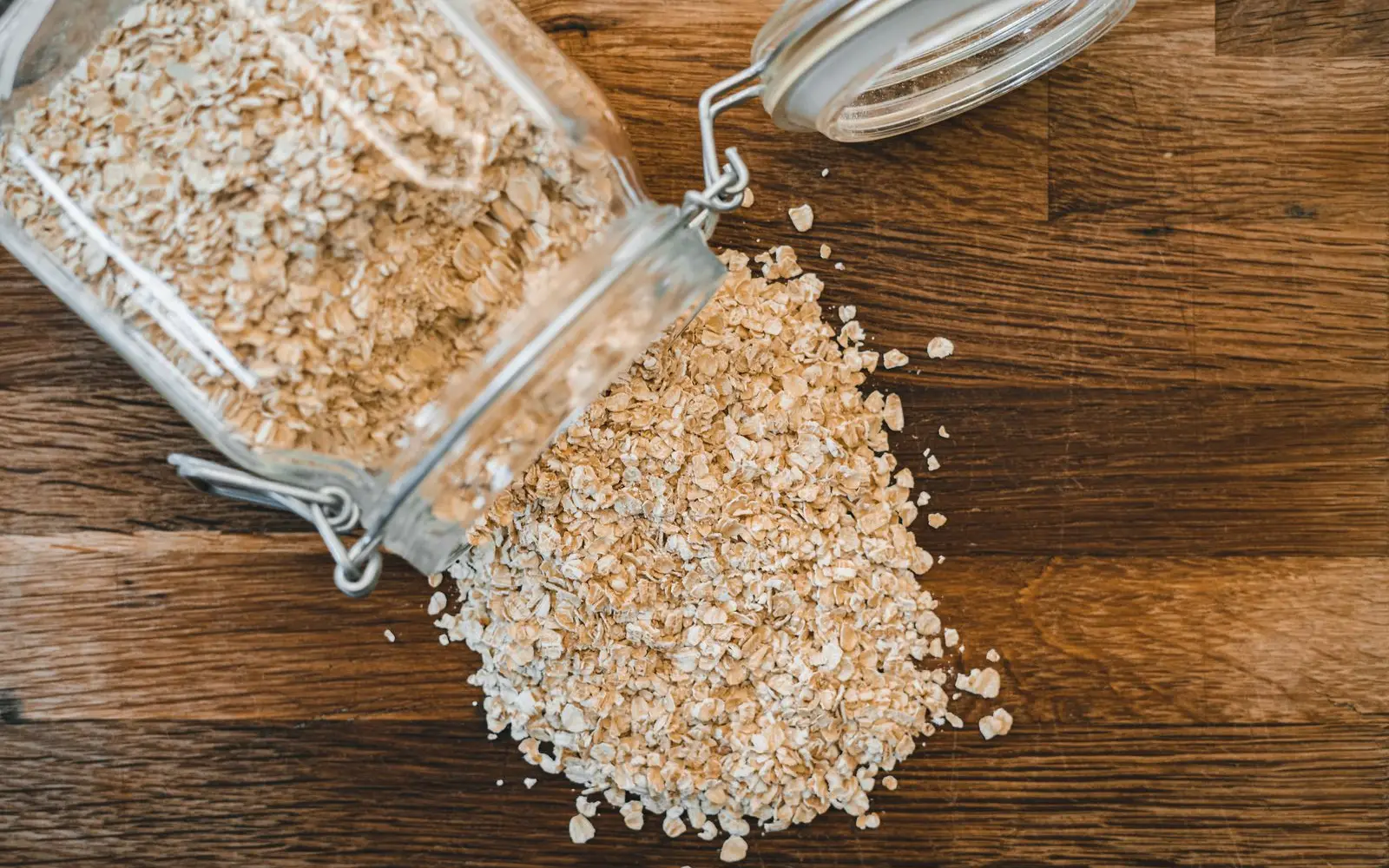
Does oatmeal lower cholesterol?
Yes, by a small amount. Oats hold a fibre called beta-glucan. In your gut it forms a gel that can bind with cholesterol and stop it being absorbed.
Across 28 trials, 3 g or more a day cut LDL by 0.25 mmol/L (the unit on your results) on average. LDL is one part of your bad cholesterol. HEART UK puts the fall at 4.2% to 6%.
| Line on your results | Average change | Trials |
|---|---|---|
| LDL (bad) | Down about 0.25 mmol/L | 28 trials, 3 g or more a day |
| Total cholesterol | Down about 0.30 mmol/L | 28 trials, 3 g or more a day |
| Non-HDL (bad) | Down about 0.20 mmol/L | 58 trials, about 3.5 g a day |
| HDL (good) | No clear change | 28 trials, 3 g or more a day |
| Triglycerides (another blood fat) | No clear change | 28 trials, 3 g or more a day |
Sources: Whitehead 2014; Ho 2016
Picture an LDL of 4.0. An average drop of 0.25 takes it to about 3.75. That’s a nudge, not a reset.
Starting higher? The fall in LDL was bigger in people who started higher. The NHS healthy levels for healthy adults are below 5 for total and below 4 for non-HDL.
Know your numbers before you start, so you can see if they move. Our LDL cholesterol guide explains that line.
How much oats do you need a day?
Aim for 3 g of beta-glucan a day. HEART UK splits it into three servings of about 1 g each.
| Food | One serving | How to use it |
|---|---|---|
| Porridge oats | 30 g | Porridge or overnight oats. |
| Oat flake cereal | 30 to 35 g bowl | Only if it’s 100% oat. |
| Oatcakes, reduced salt | 3 oatcakes | A snack. |
| Pearl barley | 75 g cooked | In soups, stews or instead of rice. |
| Oat bran | 1 to 2 tablespoons | Sprinkled on soup, curry or porridge. |
Source: HEART UK
So one bowl isn’t enough. HEART UK counts 30 g as about 1 g, so a 40 g bowl gives a bit over 1 g. The BHF puts a 40 g bowl at 2 g. Either way, you’re short of 3.
One day that reaches about 3 g
- 1
Breakfast
Porridge made with 30 g of oats.
- 2
Snack
3 reduced-salt oatcakes.
- 3
Dinner
75 g of cooked pearl barley in a soup or stew.
Source: HEART UK
Oats also count towards the 30 g of fibre a day adults should aim for. Most of us get about 20 g. More ideas in how much fibre you need.
Do instant oats and oat milk count?
Oat milk has some. The BHF says a 250 ml glass holds about 1 g. HEART UK’s list of servings doesn’t include it.
Cereal flakes count only if they’re 100% oat. Check the ingredients list.
How oats are processed may matter. In one 4-week trial of 345 adults with raised LDL, an oat cereal lost about half its effect when its fibre was broken into much smaller pieces.
No trial we found tested instant oats on their own, so we can’t say they work less well.
Labels don’t tell you this. So if you want the foods behind HEART UK’s figures, stick to plain porridge oats, oat bran and barley.
Have coeliac disease? Oats have no gluten but can be contaminated with it. Only buy oats labelled gluten-free. For breakfast ideas, see overnight oats.
Can oats replace a statin?
No. The BHF says there’s no research linking oats to a lower risk of heart attack or stroke.
Oats can sit alongside a statin. HEART UK says these foods can be used with statins without interfering. They add to a heart-healthy diet. They don’t replace it.
Never stop or change a prescribed medicine without your prescriber.
Your oats and cholesterol plan for this week
- Have three servings of oats or barley a day, such as 30 g of porridge oats.
- Swap butter, lard and ghee for olive or rapeseed oil, or spreads made from them.
- Eat fewer meat pies, sausages, fatty meat, cakes and biscuits.
- Have oily fish, like salmon or mackerel.
- Build up to 150 minutes of moderate exercise a week, such as brisk walking.
- Stop smoking, and drink no more than 14 units a week, spread over 3 or more days.
Sources: HEART UK; NHS: how to lower your cholesterol
How long until it shows? Trials ran 2 to 12 weeks, and length made no clear difference. Ask your GP when a repeat test makes sense.
Oats stack with other foods. See cholesterol-lowering foods and psyllium husk.
When to speak to a GP
High cholesterol does not usually cause symptoms. Only a blood test shows it. Speak to a GP if:
- You’ve never had a test and you’re over 40, overweight, or high cholesterol or heart problems run in your family.
- Your total is above 7.5, or you or a parent, brother, sister or child had heart disease before 60. NICE says to check for an inherited cause.
- Your total is 5 or more, or your non-HDL is 4 or more, and nobody has talked it through with you.
- You have coeliac disease and want to eat oats. A few people react to a protein in oats, so the NHS says to discuss it first.
Got a result to read? See cholesterol results explained.