Does PCOS cause excess hair growth?
Yes, it’s the most common cause. PCOS can bring thick, dark hair to your chin, chest or tummy, and treatment works slowly. But three changes mean you need an urgent GP appointment.
On this page
Does PCOS cause excess hair growth?
Yes. The NHS says polycystic ovary syndrome (PCOS), now also called PMOS, is the most common cause of excess hair growth in women. Doctors call it hirsutism.
It means thick, dark hair on your face, neck, chest, tummy, lower back, bottom or thighs. It affects about 5 to 10% of women in Western countries.
Women make male-type hormones (androgens) too. Hair grows this way when your levels rise, or when your body becomes more sensitive to them.
| What you notice | What it may be | Next step |
|---|---|---|
| Thick, dark hair on your chin, chest, tummy or back | Hirsutism, most often from PCOS | See a GP. You may have a hormone blood test. |
| Lighter, finer hair that grows more with age, mainly after the menopause | Probably not hirsutism | Remove it at home if it bothers you. |
| New thick, dark hair that grows suddenly, a lower voice or bigger muscles | Needs checking quickly | Ask for an urgent GP appointment. |
Source: NHS
Also have irregular periods or acne? Tell your GP. The NHS says a medical cause may be treatable.
When is it not PCOS hair growth?
These are the three changes from the top of the page. Ask for an urgent GP appointment if:
- new thick, dark hair suddenly starts growing on your face and body
- your voice is getting lower
- your muscles are getting bigger
Very rarely, a tumour that makes hormones is the cause. Then the hair is severe and appears over a few years, says the BAD, the UK body for skin doctors.
Other rare causes include some epilepsy medicines and steroids, including anabolic steroids. So do hormone conditions like Cushing’s syndrome. In 5 to 20% of women with hirsutism, no cause is found.
Take a list of every medicine you use to your appointment.
Which blood tests check PCOS hair growth?
Your GP looks at the hair first. Doctors use a score of how much hair grows where. Shaving or waxing can hide it, so tell them what you remove.
| Test | Why it’s done |
|---|---|
| Testosterone and free testosterone (free androgen index) | The first check for raised male-type hormones. |
| Androstenedione and DHEA-S | May be checked if testosterone isn’t raised. |
| TSH, prolactin, 17-OH progesterone and FSH | To rule out thyroid, pituitary and adrenal causes. |
| Insulin resistance tests | PCOS may be linked to insulin not working properly. |
Sources: International PCOS guideline; NHS
Normal testosterone? In adults, the guideline says thick, dark hair on its own is usually treated as a sign of raised male-type hormones and PCOS. So a normal result doesn’t rule out PCOS.
You may be diagnosed with PCOS if you have two of three things. These are high male-type hormones or their signs, irregular periods, and polycystic ovaries on a scan. An ultrasound scan is only done if you’re over 18.
More detail: PCOS blood tests, free androgen index and high testosterone in women.
How do I remove PCOS facial hair?
Removing hair is like mowing a lawn. It deals with the hair you can see, but it grows back. Medicines turn down what drives the growth.
| Method | Good to know |
|---|---|
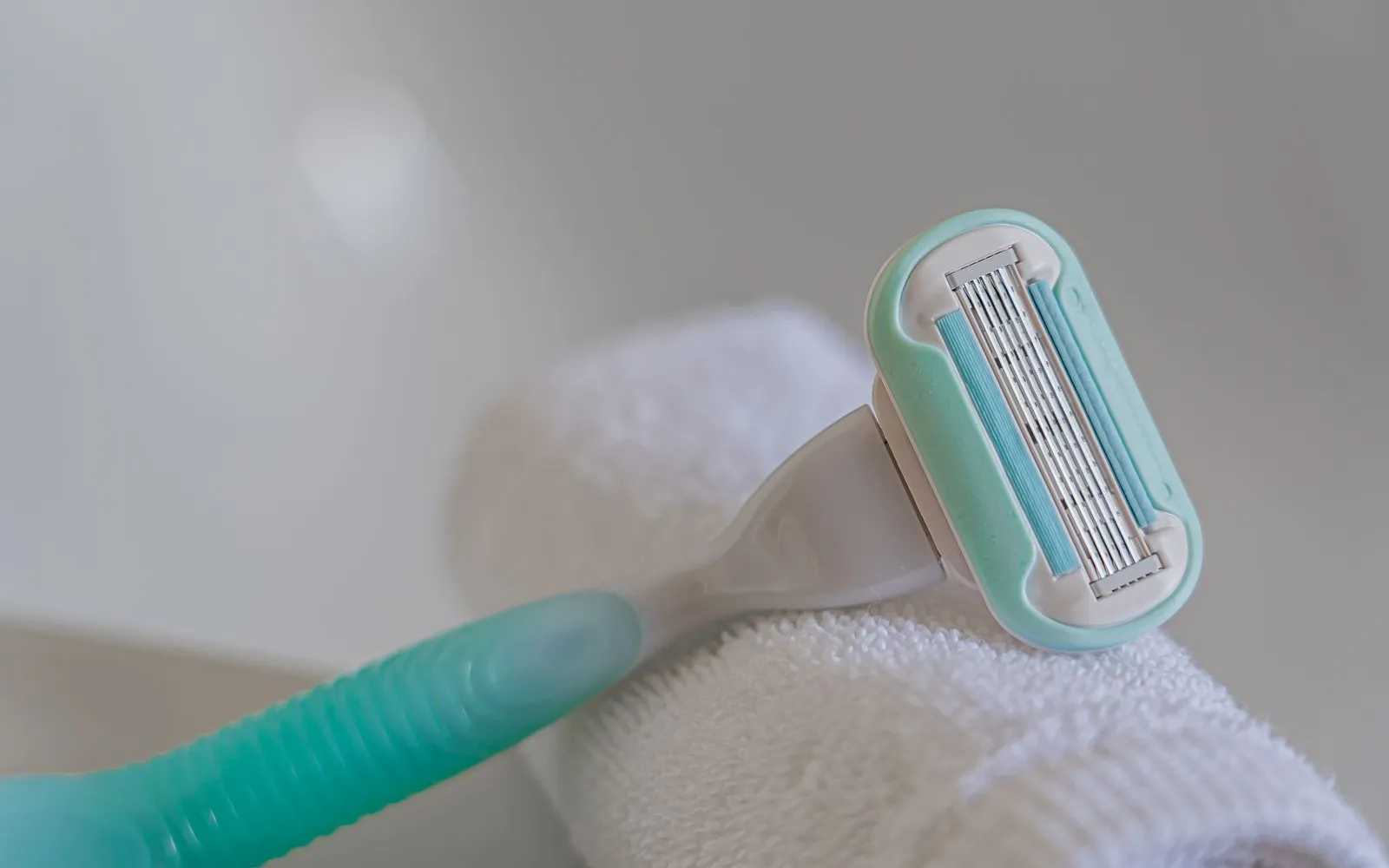
| Shaving | It doesn’t make more hair grow. Stubble comes back and frequent shaving can irritate skin. |
| Waxing | Use with care on your face. It can irritate the skin. |
| Hair removal cream | Do a skin test first. |
| Bleaching | Makes dark hair pale. It may lighten darker skin for a while. |
| Laser or intense pulsed light (IPL) | Several sessions over months. Works poorly on blond, grey or white hair. Can cause redness, skin colour changes or scars. |
| Electrolysis | Uses a needle on each hair. It can scar. Home electrolysis machines are not recommended. |
Sources: BAD; International PCOS guideline
Laser and electrolysis last longer but are not usually permanent. They’re not usually on the NHS and can be expensive. With PCOS you may need more laser sessions.
Pick a laser clinic registered with the Care Quality Commission or British Medical Laser Association. For electrolysis, check the British Institute and Association of Electrolysis, and ask for new, disposable needles.
Which medicines slow PCOS hair growth?
Back to the lawn. Medicines may mean you mow less often, but you may still need to mow. They work slowly, so give each one time.
How long each treatment takes to show
- 1
Face cream
Eflornithine is a prescription cream that slows facial hair. Use it for at least 4 to 8 weeks.
- 2
Combined pill
Lowers free male-type hormones. It may take 6 to 12 months.
- 3
Anti-androgens
May be offered if the pill or hair removal isn’t enough after 6 months. May take several months.
Sources: BAD; International PCOS guideline; NHS
Your GP may suggest the pill if you’ve not been through the menopause. The cream only works while you keep using it.
Anti-androgens, such as spironolactone, block male-type hormones. They’re not licensed for hair growth in the UK, so your doctor will explain this first.
They can harm an unborn male baby, so if you could get pregnant you must use reliable contraception. The hair tends to return when you stop.
Metformin, a diabetes medicine, has unconvincing evidence for hair growth. The guideline says inositol, a supplement, has limited benefits for hirsutism. See inositol for PCOS.
What you can do this month
- If you’re overweight, try to lose weight. The NHS says this can help control hormone levels.
- Note where the thick, dark hair grows and when it started.
- Write down your periods, and any acne or scalp thinning.
- List every medicine you take, including steroids.
- Tell your GP how you remove hair and how often.
- Do a skin test before using a hair removal cream.
Never stop or change a prescribed medicine without your prescriber. For all PCOS options, see PCOS treatment and PCOS weight loss.
When to speak to a GP
Sudden new thick, dark hair, a lower voice or bigger muscles need an urgent GP appointment. Book a routine appointment if:
- You have thick, dark hair on your face, neck, chest, tummy, lower back, bottom or thighs.
- The hair is growing quickly, over 1 to 2 years, or started before puberty.
- It comes with period problems, scalp thinning, obesity or diabetes.
- Thick, dark hair starts or gets worse after the menopause. The guideline says this needs more tests.
- It’s affecting your everyday life, work or relationships.
Losing hair on your scalp too? See PCOS hair loss.