Is constipation on your period normal?
Often, yes. Bowel changes around a period are common. But pain when you poo that comes back with every period is different. NICE tells doctors it can be a sign of one condition.
On this page
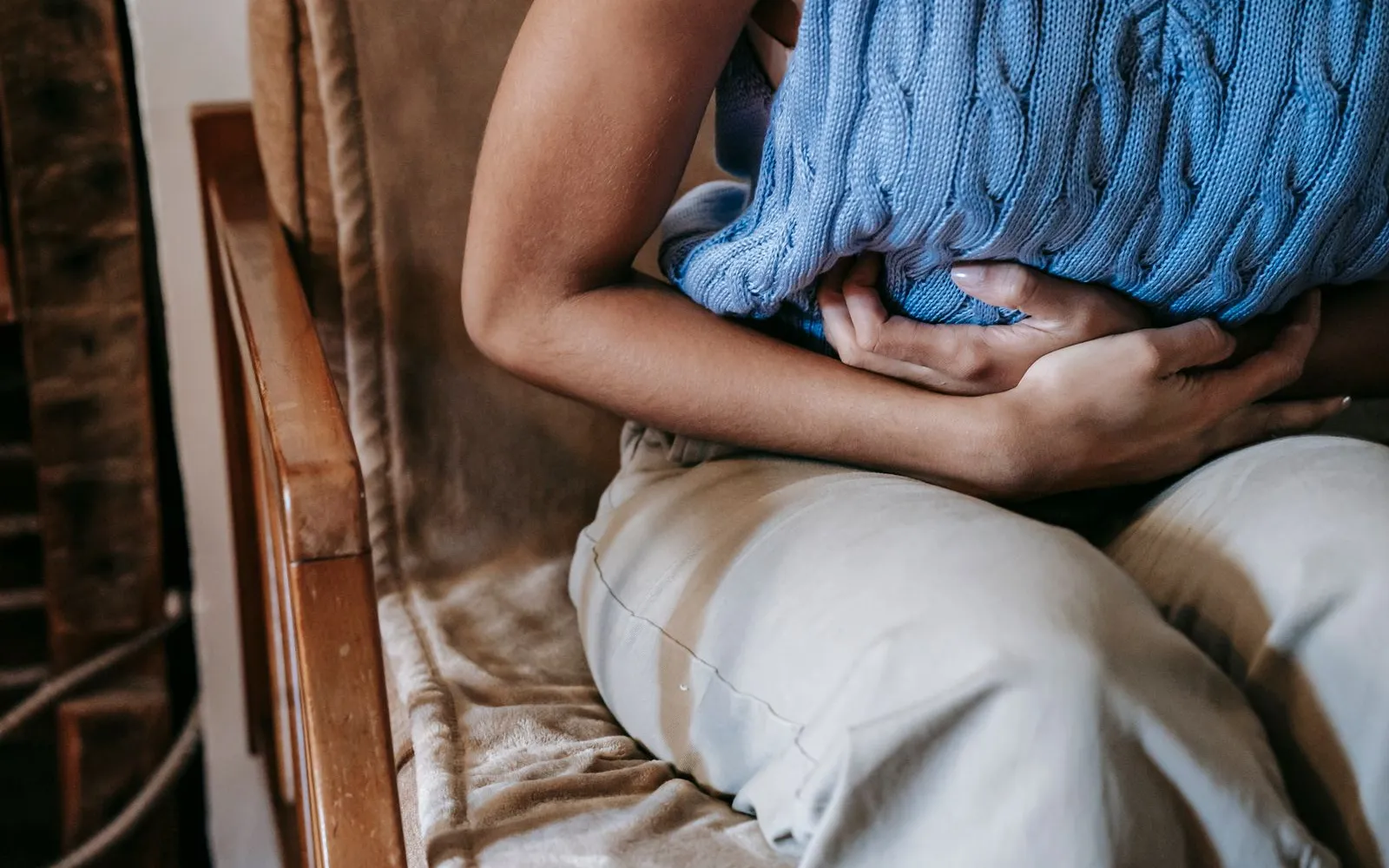
Is constipation from your period normal?
Often, yes. In one study of 156 healthy women, 73% had at least one gut symptom before or during their period.
Constipation hit 10 to 15% of them. Diarrhoea was more common, at about 1 in 4. So your bowels can go either way.
| Symptom | 5 days before | During your period |
|---|---|---|
| Bloating | 62% | 51% |
| Tummy pain | 58% | 55% |
| Diarrhoea | 24% | 28% |
| Constipation | 15% | 10% |
This was one clinic in Canada, so treat the numbers as a rough guide.
Pain when you poo is the part to watch. If it comes back with every period, NICE tells doctors to suspect endometriosis. That’s where cells like the womb lining grow in other places.
Start a diary this month. Note your poos, any pain and the day of your cycle.
Why does your period affect your bowels?
Nobody knows for sure. The main idea is chemicals called prostaglandins. High levels are linked to cramping period pain.
In the gut, prostaglandins can make the bowel muscles squeeze. Researchers think this may add to tummy pain and diarrhoea. It’s not known if the ones from the womb reach the gut.
Constipation before a period is often blamed on the hormone progesterone. The studies disagree.
One small study found poo moved about twice as slowly in the 2 weeks before a period. Another found no difference.
If you have IBS (irritable bowel syndrome), you may notice more. Bowel changes and pain are reported around periods in women with and without IBS. See tests for IBS and PMS.
Why does it hurt to poo on your period?
Stabbing pain when you poo has a few possible causes. The signs the NHS lists can help you tell them apart.
| Possible cause | Signs the NHS lists | Next step |
|---|---|---|
| Constipation | Straining or pain when you poo. Poo that is dry, hard or lumpy. | Try the steps below. |
| Small tear in your bottom (anal fissure) | Severe, sharp pain when you poo. Burning after. Bright red blood on the paper. | See a GP if it’s getting worse or no better after 7 days of self-care. |
| Endometriosis | Pain when you poo or pee. Severe period pain that stops your normal activities. Pain during or after sex. | See a GP. |
| IBS | Cramps that usually ease after a poo. Bloating. Diarrhoea, constipation or both. | See a GP if it keeps happening. |
Sources: NHS: constipation; NHS: anal fissure; NHS: endometriosis; NHS: IBS
Hard poo can cause a tear. So can having diarrhoea a lot. A tear usually heals on its own.
Cramps can be part of it too. Period pain is often a sharp pain or dull ache in your tummy. For that side, see period pain.
How can I ease constipation on my period?
Six NHS steps for softer, easier poos
- Drink plenty of water and other fluids, and avoid alcohol.
- Add fibre slowly, such as wheat bran, oats or linseed.
- Eat fruit like apples, apricots, grapes, raspberries and strawberries.
- Go as soon as you feel the urge. Don’t hold it in.
- Rest your feet on a low stool on the toilet, with your knees above your hips.
- Take a daily walk or run.
Sources: NHS: constipation; NHS: fibre
You may notice a difference within a few days. Sometimes it takes a few weeks.
UK guidelines say adults should aim for 30g of fibre a day. Children and younger teens need less. See high-fibre foods for easy swaps.
Not helping? A pharmacist can suggest a laxative, a medicine that helps you poo more regularly. Most work within 3 days and are for short-term use only.
For cramps alongside constipation, try a heat pad or hot water bottle wrapped in a tea towel on your tummy, or paracetamol or ibuprofen. Don’t take ibuprofen if you have asthma or stomach, heart, kidney or liver problems.
Never stop or change a prescribed medicine without your prescriber.
Could painful poos be endometriosis?
It’s one possible cause. Endometriosis is where cells like the womb lining grow elsewhere. It sometimes affects the bowel.
NICE lists period-related painful bowel movements as a sign to suspect it. That goes for young women aged 17 and under too.
What may happen if your GP suspects endometriosis
- 1
Symptom diary
Pain, poos and cycle days. NICE says it helps the talk.
- 2
GP check
Questions, an exam of your tummy and pelvis, maybe blood tests.
- 3
Scan
NICE: offer an internal ultrasound, even if the exam is normal.
- 4
Specialist
Your GP may refer you to a specialist in periods and the womb (gynaecologist).
Sources: NICE NG73; NHS: endometriosis
The NHS says it can take a long time to diagnose. It can look like IBS. So take your diary to the appointment.
When to speak to a GP
Is your period or pelvic pain severe or worse than usual, and painkillers have not helped? Ask for an urgent GP appointment or get help from NHS 111.
Book a GP appointment if:
- You have pain when you poo that comes with your period or cycle.
- You have blood in your poo, or a tear that’s getting worse or no better after 7 days of self-care.
- Your constipation is not getting better with treatment, you’re regularly constipated or bloated, or you notice sudden changes in how you poo.
- You’ve lost weight without trying, or you’re constipated and tired all the time.
- You have pain during or after sex, or your period pain stops your usual day.
These come from the NHS pages on constipation, anal fissures and period pain. For swelling and wind, see bloating.