Does phosphatidylserine work?
Maybe a little, if you’re older with memory worries. But the best results came from PS made from cow brains. The soy kind tested since has a mixed record.
On this page
Does phosphatidylserine work?
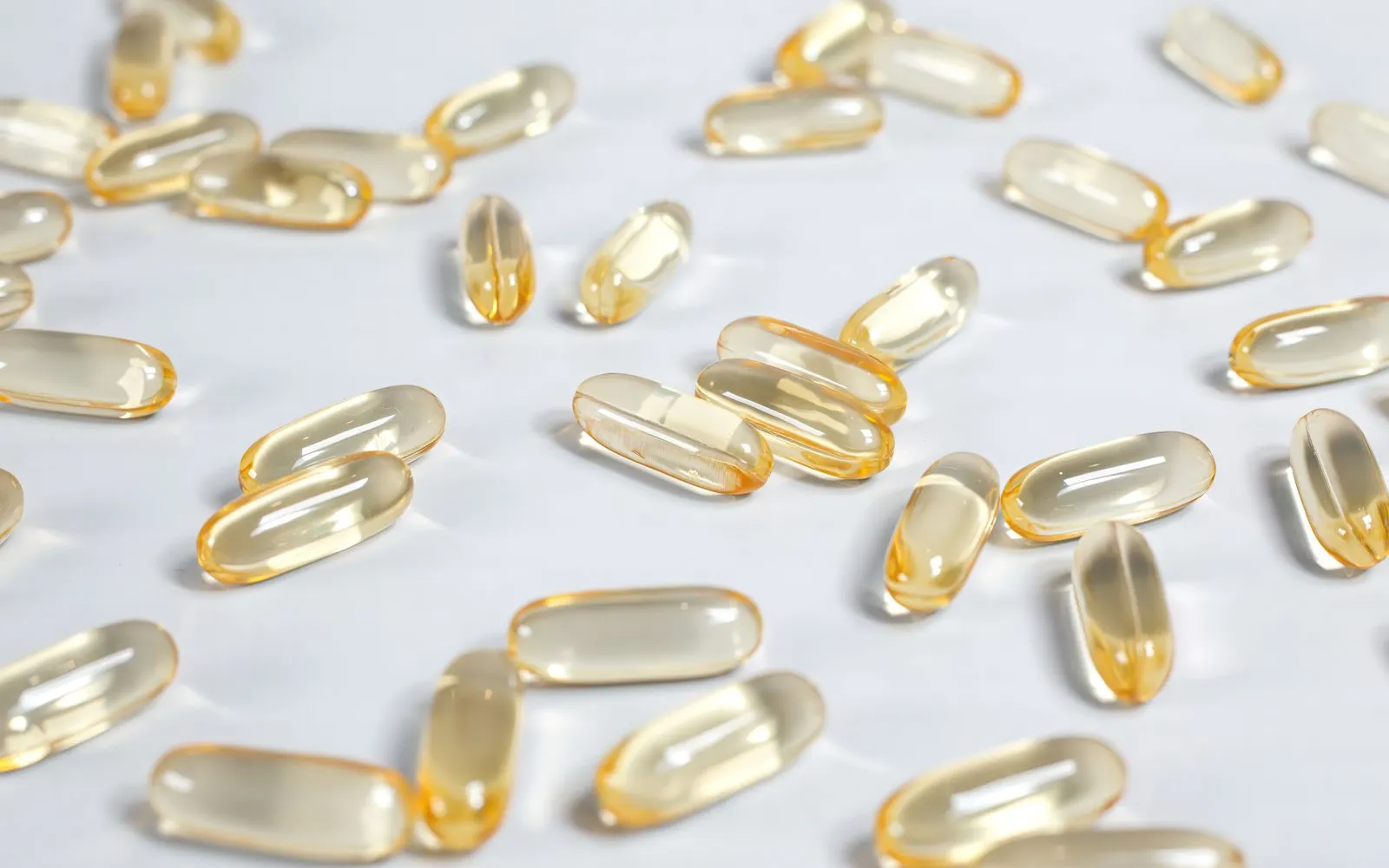
Phosphatidylserine (PS) is a fat that helps make up the wall around your cells. It’s sold as a supplement, mostly to help memory in later life.
Trials suggest it may help a little in older people with memory worries. But the result depends on which kind of PS was tested.
| Kind of PS | Who took part | What happened |
|---|---|---|
| Cow brain, 300mg a day | 149 people with memory loss linked to age, for 12 weeks | Better than a dummy pill on everyday memory tests. Most likely to help those who scored lowest at the start. |
| Cow brain, 300mg a day | 494 people aged 65 to 93 with moderate to severe decline, for 6 months | Better thinking and behaviour scores than a dummy pill. |
| Soy, 300 or 600mg a day | 120 people over 57 with memory loss linked to age, for 12 weeks | No difference from a dummy pill on any test. |
| Soy, 100 or 300mg a day | 78 people aged 50 to 69 with mild memory problems, for 6 months | Scores rose in every group. Among low scorers, memory rose on PS but not on a dummy pill. |
| Fish, with omega-3, 300mg a day | 157 older people with memory worries, for 15 weeks | Better at recalling words straight away. The authors called it an early study that needs checking. |
Sources: Crook 1991; Cenacchi 1993; Jorissen 2001; Kato-Kataoka 2010; Vakhapova 2010
Before you buy anything, rule out the simple causes. The NHS says memory loss can come from stress, anxiety, depression or poor sleep, which can be treated.
If memory problems affect your day-to-day life, see a GP first.
Is soy phosphatidylserine as good?
That’s the cow-brain catch. PS supplements were first made from cow brain. Because of a possible risk of passing on infections, soy PS became the safer option.
But most of the good memory results came from the cow kind. The biggest soy trial, in 120 older people, found no benefit at either dose.
It’s like road-testing one car, then buying a different model with the same badge. The new one may drive just as well. The first test can’t tell you that.
Smaller soy and fish trials found some gains, but often only in some groups. The fish trial’s authors said their findings were early and need checking.
So when a label says “clinically studied”, check which kind the study used. For other options, see supplements for brain and memory and omega-3 and memory decline.
Does phosphatidylserine lower cortisol?
Cortisol is a stress hormone. Small trials have tested whether PS cuts the rise in cortisol after hard exercise or a stress test. The results are mixed.
| What was taken | Who took part | What happened |
|---|---|---|
| Cow brain PS, 800mg a day for 10 days | 9 healthy men, exercise | A smaller cortisol rise after exercise. |
| PS, 600mg a day for 10 days | 10 healthy men, cycling | Peak cortisol about 39% lower than on a dummy pill. |
| Soy PS, 750mg a day for 10 days | 16 male footballers, hard running | No effect on the cortisol rise. |
| Soy PS, 750mg a day for 10 days | 14 active men, cycling | No effect on cortisol. |
| PS with another fat, 400mg PS a day for 6 weeks | 75 men, a speech and maths stress test | A smaller cortisol rise only in men with high long-term stress. They didn’t feel less stressed. |
Sources: Monteleone 1992; Starks 2008; Kingsley 2005; Kingsley 2006; Hellhammer 2014
A company paid for the 600mg trial. In an earlier stress test trial, 400mg of a PS mix worked, but 600mg and 800mg didn’t.
None of these trials tested whether PS lowers your everyday cortisol. None tested it for high cortisol from a medical cause.
Feeling stressed? Start with the free steps in how to lower cortisol naturally.
Worried yours is high? See signs of high cortisol.
How much phosphatidylserine, and is it safe?
| Goal tested | Dose in trials |
|---|---|
| Memory | 100 to 600mg a day, most often 300mg, for 12 weeks to 6 months. |
| Cortisol after exercise | 600 to 800mg a day for 10 days. |
| Cortisol under mental stress | A PS mix with up to 400mg PS a day, for 3 to 6 weeks. |
Sources: Crook 1991; Jorissen 2001; Kato-Kataoka 2010; Starks 2008; Monteleone 1992; Hellhammer 2004; Hellhammer 2014
Most memory trials used 300mg a day, often as 100mg three times a day. We found no NHS dose for PS.
In 120 older people, 300 or 600mg of soy PS a day for 12 weeks caused no more side effects than a dummy pill. Blood tests, blood pressure and heart rate didn’t differ either.
The longest trial here ran for 30 weeks, so we know little about years of use. And these trials didn’t include pregnant or breastfeeding women.
Pregnant or breastfeeding? Ask a pharmacist before you try it.
Should you try phosphatidylserine?
If you’re older, have mild memory worries and a GP has ruled out other causes, a short trial is your call. Go in knowing the soy results are mixed.
Before you try phosphatidylserine
- See a GP first if memory problems affect your day-to-day life.
- Check the label says what the PS is made from, such as soy or fish.
- Compare the dose with the trials: most memory trials used 300mg a day.
- Give it a set time, such as 12 weeks, and note any change.
- Tell your GP or pharmacist about it if you take any medicines.
- Pregnant or breastfeeding? Ask a pharmacist first, as these trials didn’t test it.
Sources: NHS: memory loss; Crook 1991; Jorissen 2001
Never stop or change a prescribed medicine without your prescriber.
Free habits help too. See everyday memory strategies and stress management.
When to speak to a GP
The NHS says don’t try to work out the cause of memory loss yourself. See a GP if:
- Memory problems are affecting your day-to-day life.
- An older relative is becoming more and more forgetful. Ask whether it could be a sign of dementia.
- You often forget recent events, names or faces, or get confused in places you don’t know.
- You have more fat on your neck, upper back, chest and tummy, with thinner arms and legs. Or a red, round face, skin that bruises easily, stretch marks or weak upper arms and legs. These can be signs of too much cortisol, especially if you take steroid medicine.
- You’re struggling to cope with stress, or the things you’re trying aren’t helping. Call NHS 111 or ask for an urgent GP appointment if you need help urgently but it’s not an emergency.
A GP may refer you to a memory specialist.
Get urgent medical help for muscle weakness or brief loss of movement on one side of the body. Stroke-like symptoms need urgent care. Call 999 or go to A&E if you’ve seriously harmed yourself.
Want a cortisol check? See cortisol blood tests.