Do probiotics help women?
Only for a few problems, mostly gut ones. If you’re healthy, UK dietitians say a supplement is unlikely to help. But one kind of food feeds the good bacteria you already have.
On this page
Do probiotics help women?
For a few gut problems, they may. Probiotics are live bacteria and yeasts. The NHS says there’s some evidence they may ease some IBS symptoms, but little evidence for many claims made about them.
If you’re healthy, the British Dietetic Association (BDA), the UK body for dietitians, says a supplement is unlikely to help.
Think of each type as a key cut for one lock. The NHS says a type that helps one problem may not help others. So start with your problem, not the pack.
| Your reason | What UK advice says | How to try it |
|---|---|---|
| Taking antibiotics | Research shows many probiotics prevent the diarrhoea antibiotics can cause. | Start it when you start the antibiotics. Keep going for at least 1 week after the course. |
| Constipation | Some may ease it. | Try one with Bifidobacterium lactis for 4 weeks. |
| IBS (irritable bowel syndrome) | May help some symptoms. | Try one for 4 weeks. No change? Switch brand or stop. |
| Healthy, no gut problem | A supplement is unlikely to help. | Skip it and feed your own gut bacteria. |
If no row fits you, a supplement is unlikely to be worth buying. On antibiotics? Never stop or change a prescribed medicine without your prescriber.
Do probiotics help thrush, BV or UTIs?
These are why many women buy them. The proof is weak, and none of them replaces treatment.
| Problem | What trials found | Usual treatment |
|---|---|---|
| Thrush (a yeast infection) | Added to antifungal medicine, may help it clear in the short term. No clear gain after that. | Antifungal tablet, a tablet you put in your vagina (pessary), or cream. |
| BV (bacterial vaginosis, a bacteria imbalance in the vagina) | Not enough evidence for or against. | Antibiotic tablets, gels or creams. |
| Repeat UTIs (urine infections) | Unclear if they cut repeat infections. | A pharmacist or GP may give antibiotics. |
Sources: Cochrane: thrush; Cochrane: BV; NICE NG112; Cochrane: UTI; NHS: thrush; NHS: BV; NHS: UTI
On thrush, a Cochrane review (a careful summary of all the good trials) pooled 10 trials. They tested probiotics alongside antifungal medicine in 1,656 women who weren’t pregnant.
Probiotics may raise short-term cure, but the evidence was low quality. They didn’t lead to more women cured in the long term.
On BV, a Cochrane review found not enough evidence for or against probiotics. It dates from 2009.
NICE says it’s not clear whether lactobacillus probiotics (a common type of probiotic bacteria) cut repeat UTIs. A Cochrane review found no clear benefit, but couldn’t rule one out.
Got symptoms now? Get them treated first.
For thrush, a pharmacist can often help. For a UTI, a pharmacist can help if you’re 16 to 64 and not pregnant or breastfeeding. For BV, see a GP or sexual health clinic.
What is the best probiotic for women?
No UK health body names one. The NHS says little is known about which types are best.
Labels can let you down too. Probiotics are sold as food, so you can’t always be sure a product has the bacteria it lists, or enough of them.
How to try a probiotic
- 1
One problem
Pick one for your reason, such as Bifidobacterium lactis for constipation.
- 2
Pack dose
Take it daily as the pack says, and store it as the label says.
- 3
4 weeks
Give it 4 weeks before you judge it.
- 4
Keep or stop
No change? Try another brand or stop.
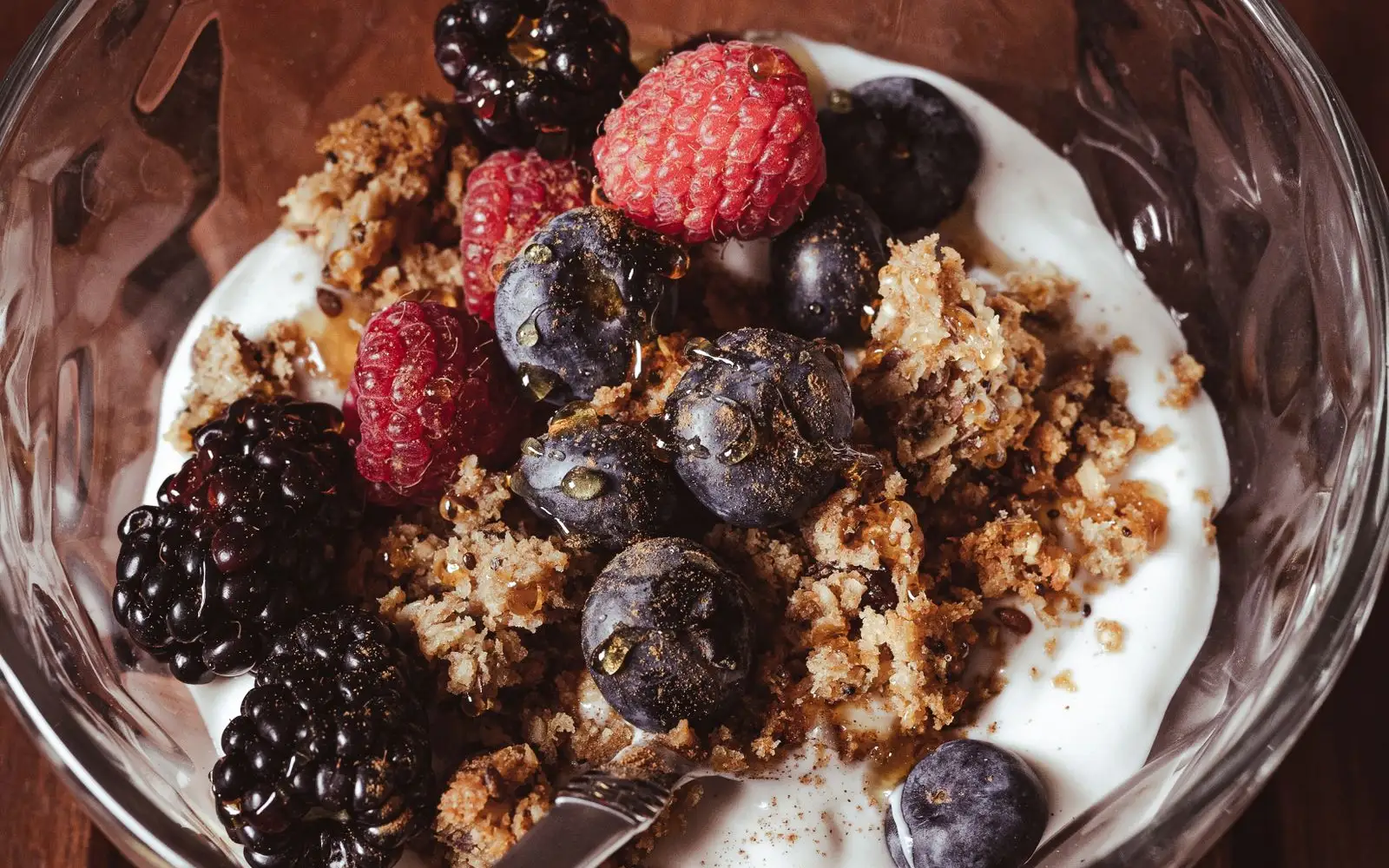
Prefer yoghurt? Pick one that says it contains live or active cultures.
Have a health condition or a weakened immune system? The NHS says to talk to a doctor first. More on the wider evidence in do probiotics work?
What are prebiotics, and do women need them?
The food that feeds your own good bacteria is prebiotics. Probiotics add bacteria. Prebiotics are food for the good bacteria already in your gut.
The BDA calls them fertiliser. You don’t buy new plants. You feed the ones you have, so more good bacteria grow.
Prebiotic supplements exist, but the BDA says prebiotics have had less research than probiotics. Food is the easy place to start.
Prebiotic foods to add this week
- Add onion and garlic to sauces, soups and stir-fries.
- Roast asparagus or artichoke as a side.
- Add chicory leaves to a salad.
- Build up to 30g of fibre a day. Most adults eat about 20g.
Sources: BDA; NHS: fibre
What about kefir and kombucha? The BDA says they may contain helpful microbes, but they aren’t counted as probiotics. More in fermented foods.
For easy swaps, see high-fibre foods and how much fibre you need.
Do probiotics help with the menopause?
NICE doesn’t suggest them. Its menopause guideline doesn’t mention probiotics at all.
For hot flushes and night sweats, NICE says to offer HRT (hormone replacement therapy, medicine that tops up the hormones that fall in the menopause). It also suggests CBT, a talking therapy made for the menopause, alongside HRT or if you can’t or would rather not take it.
On herbal and other unregulated remedies, NICE warns their safety, quality and purity may be unknown. Ask your GP which options suit you, and see menopause supplements.
When to speak to a GP
A probiotic can’t tell you what’s wrong. Book an appointment if:
- You think you have BV. A GP or sexual health clinic can check and treat it.
- You have thrush for the first time, more than 4 times in 12 months, or treatment hasn’t worked.
- You have thrush and are under 16 or over 60, pregnant or breastfeeding. Or you have a weakened immune system, for example from diabetes, HIV or chemotherapy.
- You’re pregnant and your vaginal discharge changes. Speak to a GP or your midwife.
- You keep getting UTIs: 2 within 6 months, or 3 within 12 months. Ask for an urgent GP appointment or call 111.
Think you have a UTI? Ask for an urgent GP appointment or call 111 if you’re pregnant or 65 or over. The same goes if you use a catheter (a tube that drains pee), or have diabetes or a weakened immune system.
Do the same if you have blood in your pee, or pain low in your tummy or in your back just under the ribs. The same goes for a very high or low temperature, or feeling hot, cold or shivery.
Also get help if your symptoms get worse quickly or aren’t better within 48 hours of starting treatment or treating it yourself. Call 999 or go to A&E if you’re confused, drowsy or finding it hard to speak.