What’s the best moisturiser for mature skin?
A plain, unperfumed cream, used twice a day. No brand has proof it’s the best. And the one buy a 4.5-year trial found slowed skin ageing, in adults under 55, isn’t a moisturiser at all.
On this page
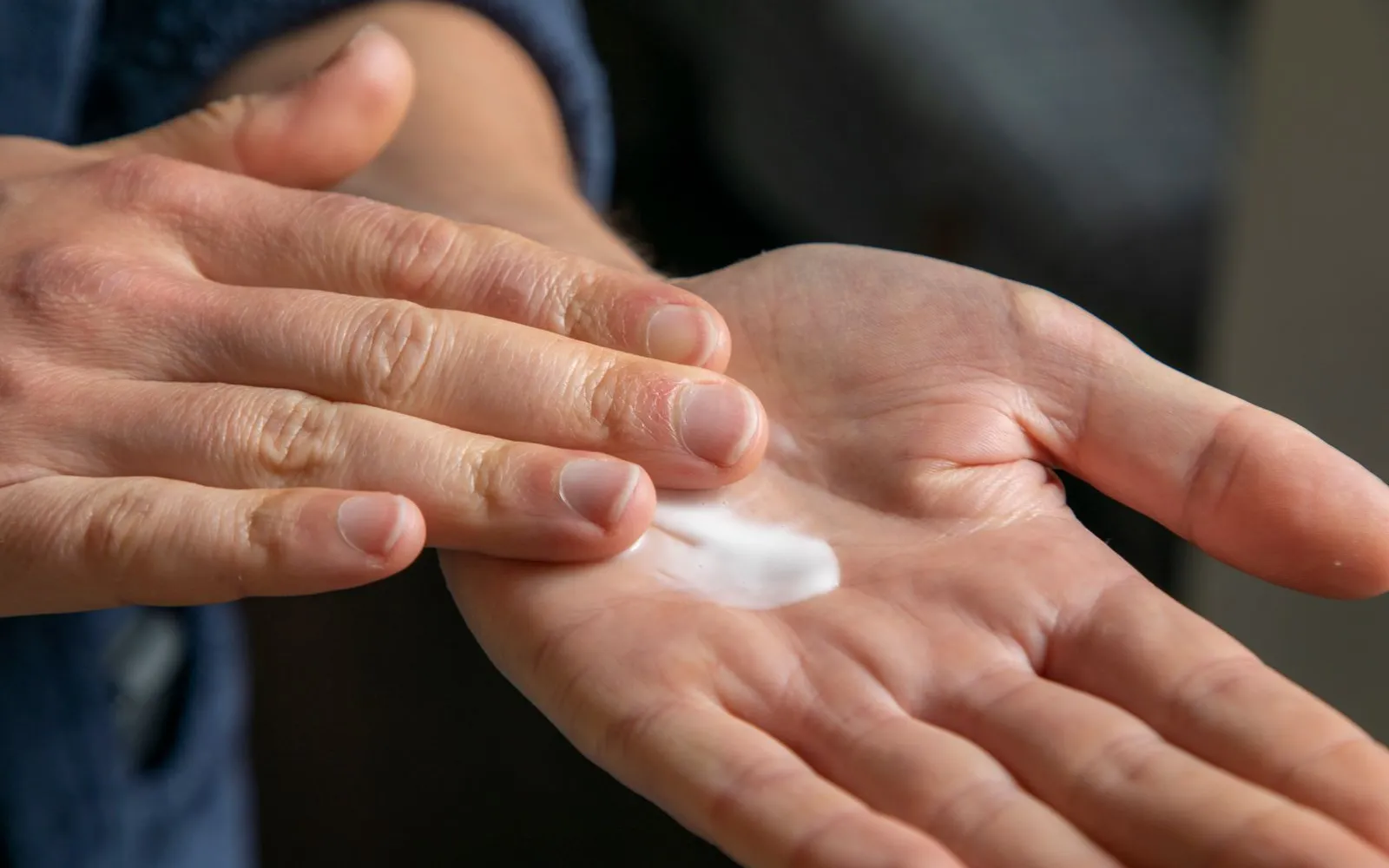
What is the best moisturiser for mature skin?
A plain one with no perfume. As you age, skin gets thinner and loses its natural oils, so it dries out.
European skin doctors (the EADV) advise fragrance-free, oil-rich creams or ointments. Use them at least twice a day, after a bath and before bed, while your skin is still a bit damp.
A moisturiser works like a lid on a pan. It covers the skin with a thin film that keeps water in.
| Type | What it’s like | Best for |
|---|---|---|
| Lotion | Thin, spreads easily, not very moisturising | Hairy areas |
| Cream | Not very greasy, soaks in fast | Daytime |
| Ointment | Greasy, thick, very moisturising | Very dry skin, and night-time |
Source: NHS
You can buy all three at a pharmacy without a prescription. You may need to try a few to find one you like.
Start with a cream by day and an ointment at night, as the NHS suggests.
Do expensive creams and serums work better?
None of the guidance we read names a brand or a price. It talks about what’s in the tub.
| Buy | What the research found |
|---|---|
| Moisturiser, twice a day | Fewer skin tears in one care-home trial. Very low-quality evidence. |
| Daily sunscreen | 24% less skin ageing over 4.5 years, in adults under 55. |
| Retinol | Fewer fine lines after 24 weeks, in one small trial. |
| Separate eye cream | None of the guidance we read asks for one. |
Sources: Cochrane; Hughes 2013; Kafi 2007
Even plain moisturiser has thin proof in older people. A Cochrane review found six small trials, all in care homes.
In the biggest, 984 residents had moisturiser twice a day for 6 months. Skin tears fell by almost half. But the reviewers were uncertain of this result.
Skip aqueous cream. The NHS says it’s no longer recommended, as it can burn, sting and itch.
What is the best product for ageing skin?
That buy is sunscreen. In an Australian trial of 903 adults under 55, one group used it every day. The rest used it when they chose.
After 4.5 years, the daily group had 24% less skin ageing. Some data were missing, so treat it as one good trial, not the last word.
What to look for on a sunscreen label
- SPF 30 or higher, for UVB (one kind of sun ray).
- At least 4-star UVA protection (the other kind), or UVA in a circle.
- An open-jar symbol that shows how many months it lasts once opened.
Source: NHS: sunscreen and sun safety
In the UK, the sun is strongest from 11am to 3pm, March to October. If the UV index is 3 or more, consider protecting your skin.
Don’t rely on sunscreen alone. A wide-brimmed hat and shade help too. More in our guide to sunscreen and skin ageing.
Is retinol worth it for ageing skin?
It has trial evidence for fine lines. Retinol is a form of vitamin A.
In one trial, 36 people with an average age of 87 had 0.4% retinol on one arm and a plain lotion on the other. After 24 weeks, fine lines improved on the retinol arm.
That was arms, not faces, and staff put it on. Labels don’t have to show the strength.
How US skin doctors say to start retinol
- 1
Go gentle
Pick the mildest product you can find.
- 2
Every other night
At night only, to start.
- 3
Build up slowly
Use it more often over time.
- 4
Protect by day
Sunscreen, shade and a hat.
Source: American Academy of Dermatology
Don’t use it if you’re pregnant. If your skin is dry or prone to allergies, it’s probably not for you. If your skin is very red or inflamed, avoid it and ask a skin doctor about other options.
See retinol and tretinoin for the stronger creams a doctor can prescribe.
Do you need a hand cream, body lotion or eye cream?
None of the guidance we read asks for a special one. Hands and face need it most, as they face the weather more.
Some medicines, such as water tablets, cholesterol medicines and antihistamines (allergy medicines), may dry your skin. If you take them, moisturise more often. Never stop or change a prescribed medicine without your prescriber.
Your daily routine for ageing skin
- If your skin is dry or itchy, wash with a plain moisturiser instead of soap or shower gel.
- Keep baths and showers short, and cool or lukewarm.
- Pat dry, then put cream on straight away.
- Smooth it on in the direction your hair grows. Don’t rub.
- Put it on again after washing your hands, and whenever skin feels dry or tight.
- Keep away from flames and cigarettes. Cream on clothes and bedding can easily catch fire.
Sources: NHS: emollients; NHS: itchy skin; EADV
Washing with moisturiser can make the floor slippery. Use a non-slip mat in the bath or shower.
Thinking of collagen drinks instead? See do collagen supplements work.
When to speak to a GP
Itchy skin is common after the menopause and usually gets better over time. A pharmacist can suggest products. See a GP if:
- A cream burns or stings and it doesn’t settle after a few days, or you get boils or a rash on your face. A nurse or pharmacist can help too.
- Itchy skin affects your daily life, is severe, is all over your body, or doesn’t get better with self care or keeps coming back.
- You’re itchy and pregnant, or the itch comes with a new rash, lump or swelling you’re worried about.
- A growth is getting bigger or has changed colour or texture, or a patch of skin hurts, itches, bleeds, crusts or scabs for more than 4 weeks.
- You have a new mole, or a mole, freckle or patch of skin changes in size, shape or colour.
For an itch with no clear cause, see blood tests for itchy skin.