How do I sleep better?
Get up at the same time every day, even after a bad night. Then mind the clock: the NHS says no tea or coffee for 6 hours before bed. For a 10pm bed, that’s 4pm.
On this page
What is sleep hygiene?
It’s the small habits that help you sleep. The NHS says changing them can make a real difference.
Start with the morning. Get up at the same time every day. Don’t sleep in after a bad night; stick to your usual hours.
Think of it like setting a clock. Similar times each day help your body know when it’s time to sleep. Keep them on days off too, when you can.
| When | Do | Avoid |
|---|---|---|
| Morning | Get up at the same time every day. | Sleeping in after a bad night. |
| Daytime | Exercise regularly. | Naps. |
| 6 hours before bed | Switch to a warm milky drink or herbal tea. | Tea, coffee, alcohol and smoking. |
| 4 hours before bed | Finish any exercise. | Exercise. |
| Last hour | Relax: a bath or a book. | Phones and TV. A big meal late at night. |
| In bed | Go only when you’re sleepy. | Lying awake for more than about 20 minutes. |
Sources: NHS: insomnia; NHS Every Mind Matters
On average, adults need 7 to 9 hours. If you’re constantly tired in the day, you’re probably not getting enough. More in how much sleep do you need.
Pick a wake-up time tonight that you can keep every day.
How to sleep better at night
Work back from the time you go to bed. Each step has its own cut-off.
Your countdown to a 10pm bed
- 1
4pm
Last tea or coffee. No alcohol or smoking after this.
- 2
6pm
Finish any exercise. No big meal late at night.
- 3
9pm
Screens off. Have a bath, read or listen to calm music.
- 4
10pm
Bed, if you’re sleepy. If not, wait until you are.
Sources: NHS: insomnia; NHS Every Mind Matters
That’s the 4pm cut-off from the top of the page. The NHS insomnia page says no tea, coffee, alcohol or smoking at least 6 hours before bed.
Some soft drinks contain caffeine too. Another NHS page gives a shorter gap for alcohol and nicotine: avoid them 1 to 2 hours before bed. If you sleep badly, try the 6 hours first.
Why the screens? The NHS says their blue light makes you more awake. See caffeine and sleep and alcohol and sleep for more.
Move the times to fit your own bedtime, then set a phone alarm for the last hour.
How to make your bedroom better for sleep
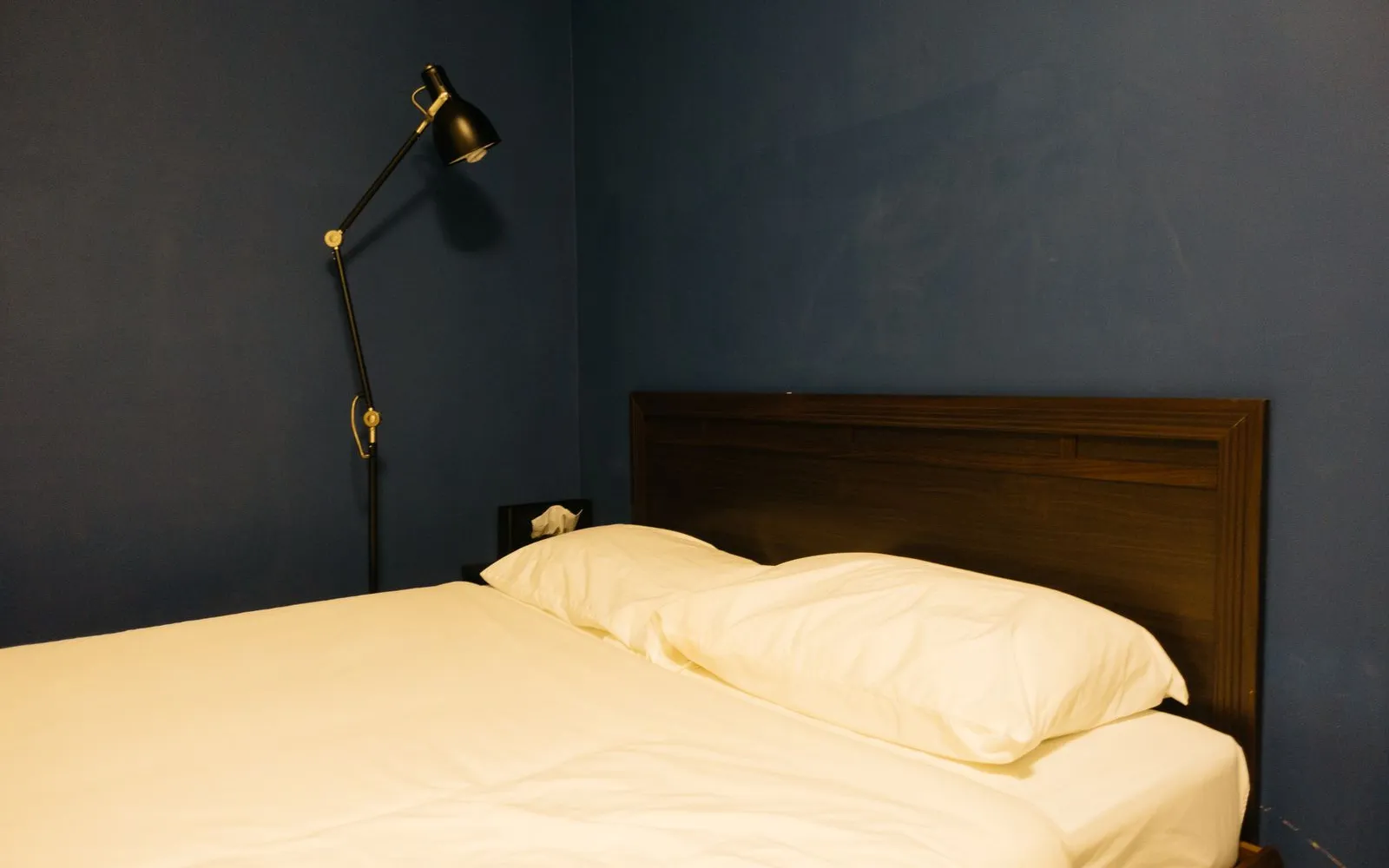
The NHS says a room that’s quiet, dark and cool may make sleep easier. Noise, a room that’s too hot or cold and an uncomfortable bed are common causes of insomnia (trouble getting to sleep or staying asleep).
Six bedroom fixes to try this week
- Close the curtains fully, or wear an eye mask if light still gets in.
- Use earplugs if noise is a problem.
- Put your phone on silent and face down, and keep clocks out of view.
- Make the room cooler, or open a window if it’s safe to.
- Try background sounds like rainfall, gentle music or white noise.
- Check your mattress, pillows and covers are comfortable.
Sources: NHS Every Mind Matters; NHS: insomnia
Try one or two at a time, so you can tell what helps you.
What if I can’t get to sleep?
Don’t try to force it. If you’re comfortable and resting, sleep may come naturally.
Still awake after about 20 minutes? Get up.
- 1
Get up
Sit somewhere comfortable, out of bed.
- 2
Do something calm
Gentle yoga, a book or quiet music.
- 3
Go back
Return to bed when you feel sleepy.
Source: NHS Every Mind Matters
Worry keeping you up? Write a list of what you need to do tomorrow before you go to sleep. It can help clear your mind.
Breathing exercises and meditation are also on the NHS list. See meditation for sleep for how to start.
Sleep aids from a pharmacy cannot cure insomnia. They may help for 1 to 2 weeks, and shouldn’t be taken for longer. Some may make you drowsy, which can make driving hard.
Check with your doctor before taking anything for sleep.
Never stop or change a prescribed medicine without your prescriber.
Does sleep hygiene work?
It may help a bit. A review of 15 studies in people with poor sleep or insomnia found small to medium gains in sleep after people learned these habits.
But the gains were in how people said they slept, not in sleep tests. No study compared the habits with doing nothing or a dummy treatment. And a talking treatment called CBT for insomnia (CBT-I) worked better.
CBT-I changes the thoughts and habits that keep you awake. A GP may offer it, face to face or online. Read what CBT-I involves.
Stick with the habits, and keep a sleep diary to see what changes.
When to speak to a GP
See a GP if:
- Changing your sleeping habits has not helped.
- You’ve had trouble sleeping for months.
- Poor sleep is affecting your daily life in a way that makes it hard to cope.
- Your breathing stops and starts while you sleep, you make gasping, snorting or choking noises, or you always feel very tired in the day. The NHS lists these as signs of sleep apnoea.
- You fall asleep suddenly during the day.
Many medicines can cause insomnia, and so can menopause, restless legs and an overactive thyroid. Don’t drive when you feel sleepy. More on tests in sleep apnoea and blood tests.