Stim-free pre-workout: what works?
Creatine and beetroot nitrate are your best bets. Beta-alanine and citrulline help a little. But many tubs hold less than the studies used, and one line on the label hides it.
On this page
What is the best non-stim pre-workout?
One built on creatine or nitrate. The International Olympic Committee (IOC) says only a few supplements have good evidence of benefits. Caffeine is one.
Creatine and nitrate need no stimulant. The IOC also lists sodium bicarbonate, and possibly beta-alanine. Even these give small gains at best, and results vary widely between people.
| Ingredient | Dose in studies | What it helped |
|---|---|---|
| Creatine | 3 to 5 g daily. Some load 20 g daily, in 4 doses, for 5 to 7 days. | Strength, power and muscle gains from training. |
| Nitrate (beetroot) | 310 to 560 mg, 2 to 3 hours before. | Endurance and team sports. Unclear for efforts under 12 minutes. |
| Beta-alanine | 4 to 6 g a day, for at least 2 to 4 weeks. | Most for hard efforts of 1 to 4 minutes. Can make skin tingle. |
| Citrulline malate | 6 to 8 g, 40 to 60 minutes before. | About 3 more reps across your sets. No clear gain in strength. |
Sources: IOC; ISSN; Vårvik 2021; Aguiar 2022
Creatine builds up in your muscles with daily use. So take it every day, not just before the gym. See how much creatine per day.
Start with creatine. Add the others only if your training matches what they helped.
Is my stim-free pre-workout underdosed?
It may be. A study of 100 top-selling US pre-workouts, most of them with caffeine, compared each scoop with doses shown to work. The average beta-alanine was below the recommended dose.
| Ingredient | Average per scoop | Dose in studies |
|---|---|---|
| Beta-alanine | 2.0 g | 4 to 6 g a day |
| Creatine | 2.1 g | 3 to 5 g a day |
Sources: Jagim 2019; IOC; ISSN
The average tub had 18 ingredients. About 8 of them sat in a proprietary blend at undisclosed amounts.
That line is the proprietary blend. It’s like a recipe that says “spices, 10 g”. You can’t tell if it’s mostly salt.
If a key ingredient sits in a blend, you can’t check its dose. Pick a label that gives each amount.
What is the best natural pre-workout?
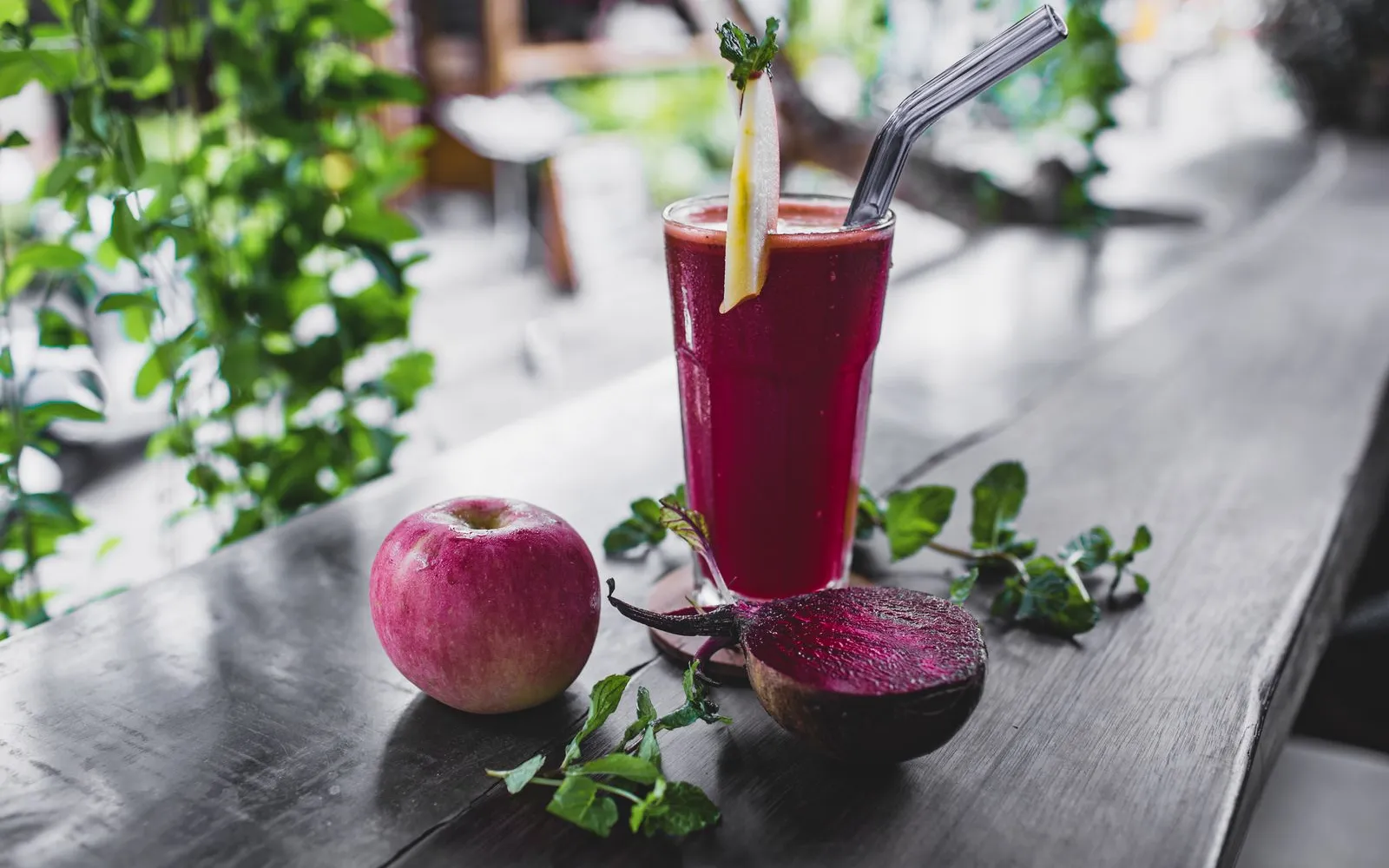
Nitrate from vegetables. The IOC names spinach, rocket, celery and beetroot as high-nitrate foods. A beetroot juice or shot with nitrate on the label makes the amount easy to check.
How studies used nitrate before exercise
- 1
Pick a source
Beetroot juice or a shot, or leafy greens and root vegetables.
- 2
Check the amount
310 to 560 mg of nitrate.
- 3
Time it
2 to 3 hours before you train.
- 4
Test it first
Some people get an upset stomach. Try it in training.
Source: IOC
In hard, stop-start team-sport efforts of 12 to 40 minutes, it helped by 3% to 5%. Time to exhaustion rose 4% to 25%. For efforts under 12 minutes, the evidence is unclear.
More isn’t better. Double the dose gave no extra benefit. Gains also seem harder to get if you’re highly trained.
Lifting short, heavy sets? The evidence for nitrate is unclear there. Creatine is the better fit.
Why go caffeine free before a workout?
Mostly for sleep. The EU food safety body (EFSA) says 100 mg of caffeine may affect sleep in some adults, especially close to bedtime.
The average caffeinated scoop held 254 mg. EFSA says up to 400 mg a day is safe for healthy adults. If you’re pregnant or breastfeeding, it’s 200 mg a day from all sources.
So an average scoop is more than half the daily limit, before any coffee. Caffeine is also a common cause of palpitations, a racing or thumping heartbeat.
Train in the evening? See when to stop caffeine for sleep.
How to choose a caffeine-free pre-workout
Six checks before you buy a stim-free pre-workout
- Check the label gives the amount of each ingredient, not one total for a proprietary blend.
- Check the ingredients list has no caffeine.
- Look for 3 to 5 g of creatine, or take plain creatine every day instead.
- Look for 4 to 6 g of beta-alanine a day. If your skin tingles, split it into doses of 1.6 g.
- For citrulline, look for 6 to 8 g of citrulline malate, 40 to 60 minutes before you train.
- Compete in a drug-tested sport? Only use batch-tested products (each batch checked for banned substances), and check the batch number.
Sources: Jagim 2019; IOC; ISSN; UKAD
UKAD says no supplement can be promised free of banned substances. Labels can also be wrong.
In the UK, supplements are regulated as food. The seller is responsible for making them safe.
Buying creatine on its own? See which creatine to buy. For what else is worth taking, see supplements worth taking.
When to speak to a GP
The NHS says palpitations are usually harmless. If you’ve had them and feel well, book an appointment if:
- Your palpitations keep coming back, or happen more often.
- They last longer than a few minutes.
- You get palpitations and have a heart condition, or heart problems run in your family.
If you have kidney disease and want to try creatine, some experts suggest asking your doctor first.
Call 999 or go to A&E if palpitations don’t go away, or come with chest pain, shortness of breath, feeling faint or fainting. If these have stopped, ask your GP surgery for an urgent appointment or call 111.
More on testing: blood tests for palpitations.