What is strength and conditioning?
Training to get strong, fast and fit together. It mixes lifting, jumps, sprints and cardio. But mix them carelessly and your jumps may improve less. The order you train in matters.
On this page
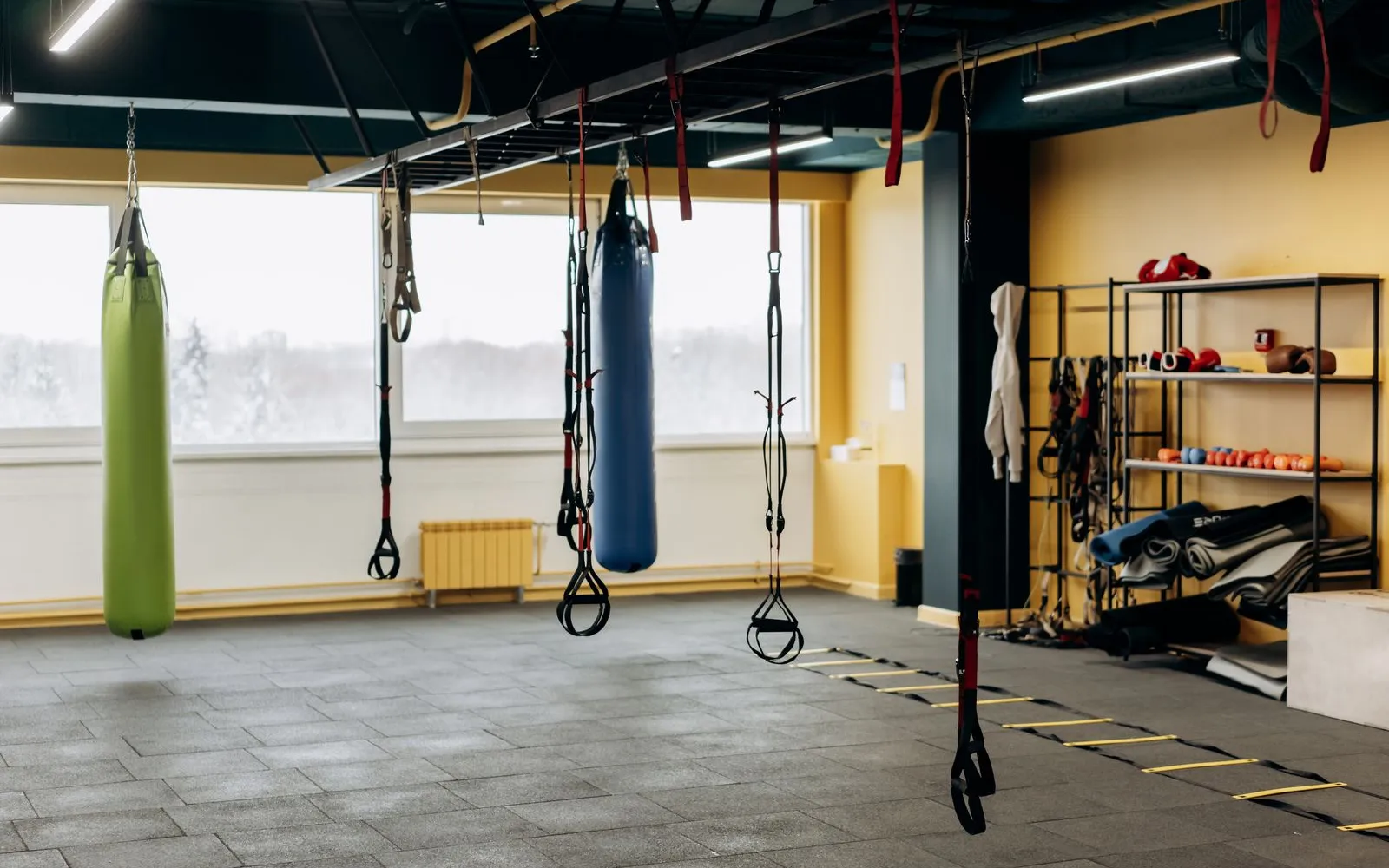
What is strength and conditioning?
It’s training that builds strength, speed, jumping power and fitness in one plan. People call it S&C for short.
The UK Strength and Conditioning Association (UKSCA) puts it as the science of coaching, training and recovery, put into practice. It began in elite sport. UKSCA says it’s now widely agreed that the whole population can benefit.
| Part | What it builds | Example |
|---|---|---|
| Movement skills | Mobility, balance and co-ordination | Warm-up drills |
| Explosive moves | Jumping, landing and throwing | Squat jumps |
| Speed and agility | Moving and changing direction fast | Short sprints |
| Strength | How hard you can push and pull | Squat, deadlift, push-up, row |
| Conditioning | Fitness for short bursts and long efforts | Intervals, running, cycling |
Sources: UKSCA; UKSCA core text
A typical gym plan mostly covers the strength row. S&C covers all five.
Already lifting twice a week? Add jumps before your lifts and hard bursts after, and you’re most of the way there.
What does a strength and conditioning workout look like?
One session: hardest skills first, cardio last
- 1
Warm up
Raise your heart rate, wake key muscles, move your joints, then a few quick efforts.
- 2
Jumps and sprints
Do them while you’re fresh.
- 3
Strength
Big lifts: squat, bend at the hips to lift, push and pull.
- 4
Conditioning
Hard bursts or steady cardio, at the end.
Source: UKSCA core text
This is the order that matters. UKSCA puts the most technical moves first, straight after the warm-up.
A review of 43 studies found adding cardio to lifting didn’t hold back strength or muscle size. But gains in explosive strength, like jumping, may be smaller. That was clearest when both were done in the same session.
With at least 3 hours between them, the review found no clear drop.
Doing both in one session? Lift first. Across 10 studies, lifting before cardio gave leg strength gains about 7% bigger than the other way round.
So keep long runs or rides on a different day from your jumps. More on warming up in our warm-up guide.
Which strength and conditioning exercises should I do?
| Exercise | Part | How to do it |
|---|---|---|
| Squat jump | Explosive | Start in a half squat. Push into the ground and jump high. Land straight back into the squat. |
| Goblet squat | Strength | Hold one weight close to your chest. Keep your shoulders over your knees and ankles as you squat. |
| Kettlebell deadlift | Strength | Set the weight between your feet, nearer your heels. Bend at the hips, grab it, keep your back straight and stand tall. |
| Push-up | Strength | Hands under your shoulders. Keep your body straight and lower your chest as far as you can. |
| Bent-over row | Strength | Bend forward at the hips and hold it. Drive your elbows back towards your back pockets. |
| Intervals | Conditioning | Short bursts of maximum effort broken up with rest, such as hill sprints or a fast bike. |
Sources: The Prehab Guys; NHS
The cues come from The Prehab Guys, a physio-led team who post free videos for each move: squat jump, goblet squat, deadlift, push-up and row.
For the four lifts, the Royal Osteoporosis Society suggests 8 to 12 reps a set, building up to 3 sets.
If you can’t manage 8 with good technique, go lighter. If you can do 12 and keep going, go heavier.
Want more lifts to swap in? See our best strength exercises. For adding weight safely, read our progressive overload guide.
A simple strength and conditioning programme
| Day | Session | What it counts as |
|---|---|---|
| Monday | Session A: warm-up, squat jumps, goblet squat, push-up, row, intervals | Strength day 1 |
| Tuesday | 50 minutes of brisk walking or cycling | Moderate cardio |
| Wednesday | Rest | Recovery |
| Thursday | Session B: warm-up, short sprints, deadlift, push-up, row, intervals | Strength day 2 |
| Friday | Rest | Recovery |
| Saturday and Sunday | 50 minutes of moderate cardio each day | Moderate cardio |
Sources: NHS; UKSCA core text
This meets the NHS minimum. That’s strength for all the major muscle groups on at least 2 days and 150 minutes of moderate activity, spread over 4 to 5 days.
Moderate means you can still talk, but not sing. The longer cardio sits on its own days, away from the jumps.
Your first strength and conditioning week
- Book 2 S&C sessions with a rest day between, such as Monday and Thursday.
- Warm up first: raise your heart rate, move your joints, then a few quick efforts.
- Do jumps or sprints next, while you’re fresh.
- Lift next: 8 to 12 reps a set, building up to 3 sets.
- Finish with short bursts of hard effort, broken up with rest.
- Do your longer cardio on other days, adding up to 150 minutes a week.
Sources: NHS; UKSCA core text; ROS
Only have two days? Our HIIT at home guide has short interval sessions. For more lifting days, see weekly workout splits.
Does strength and conditioning training cut injuries?
In sport trials, the strength part did. A review of 25 trials with 26,610 people found strength training cut sports injuries to less than a third. Stretching showed no clear benefit.
That’s a pooled result from sport, not a promise for you. But it’s a good reason to keep lifting, even if you mainly run or play. Runners can start with our strength training for runners guide.
When to speak to a GP
The NHS says to speak to a GP first if you haven’t exercised for some time, or have medical conditions or concerns. UKSCA’s health form asks for your doctor’s OK first if you:
- Have a heart condition, or are being treated for high blood pressure or your heart.
- Get chest pain when you’re active, or have had chest pain at rest in the past month.
- Lose your balance because of dizziness, or ever lose consciousness.
- Have a bone or joint problem, such as your back, knee or hip, that more activity could make worse.
- Are pregnant, or had a baby in the last 3 months. The NHS says it’s not recommended to start a new vigorous activity in pregnancy, such as running.
See a GP if you have chest pain that comes and goes, or goes away quickly but still worries you.
Call 999 for sudden chest pain or discomfort that doesn’t go away. It can feel like squeezing or pressure, burning or indigestion.
Also call 999 if pain spreads to your arm, neck, jaw, stomach or back. The same goes for chest pain with sweating, feeling sick, light-headed or short of breath.