Can stress raise your blood pressure?
Yes, but usually only while it lasts. Stress and anxiety speed your heart and lift your blood pressure, then both settle. Long-term stress is different, and the habits it brings are part of why.
On this page
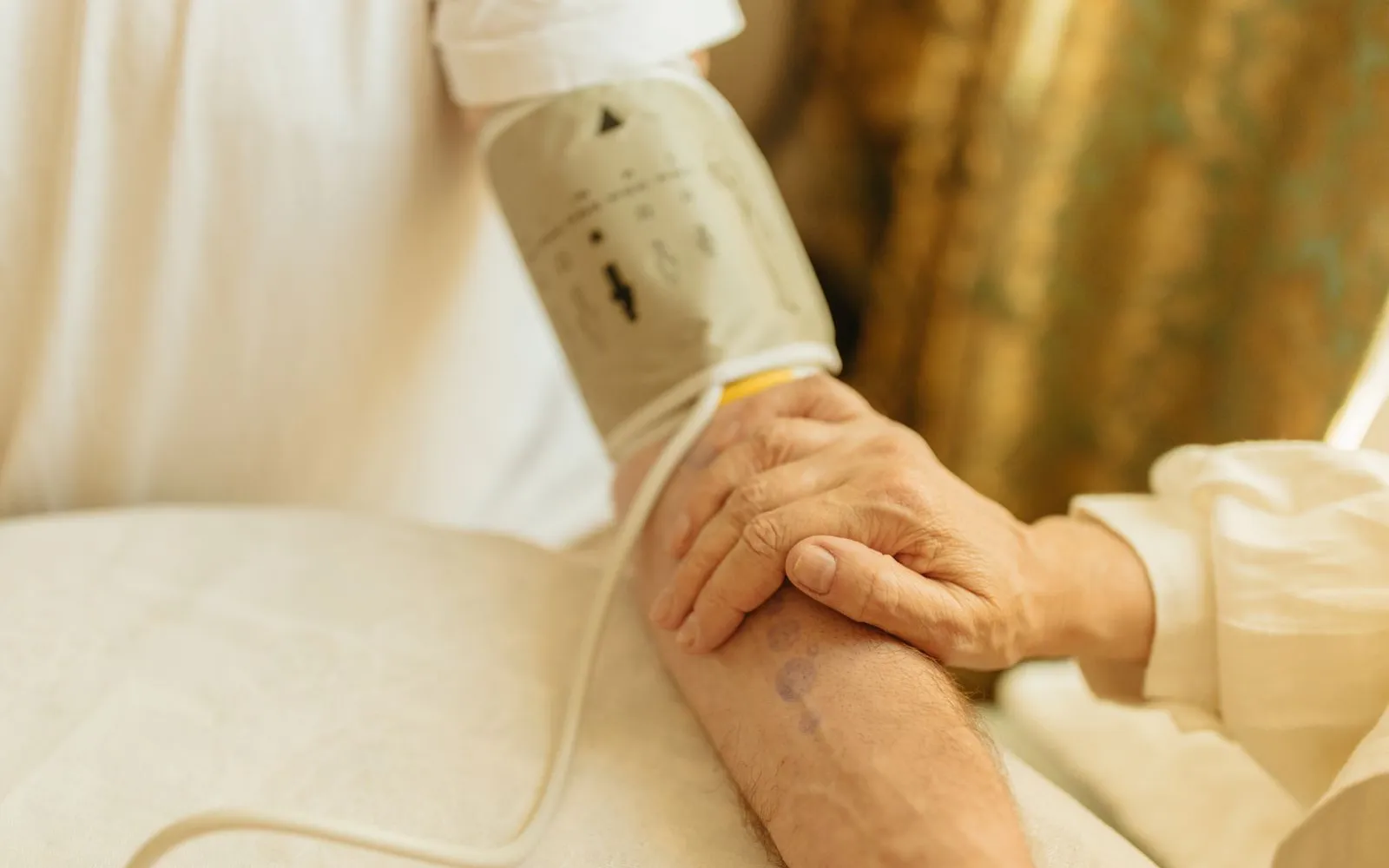
Does stress raise blood pressure?
Yes, for a short time. Stress releases a surge of adrenaline and cortisol, the body’s fight or flight hormones. They make your heart beat faster and your blood vessels narrower.
Once the stress is over, your blood pressure returns to its usual level.
Think of a car revving at the lights. The needle jumps, then drops when you ease off. A reading taken mid-rev isn’t your usual number.
| Situation | Extra on your reading (mmHg) | What it means |
|---|---|---|
| Average clinic visit | Top about 10 higher, bottom about 5 | Most people are tenser in clinic, even if they don’t feel stressed. |
| Very worried or stressed | Up to 30 higher | Some people react much more than others. |
| What NICE calls a white-coat effect | Clinic more than 20/10 above home or 24-hour readings | Measured when high blood pressure is being diagnosed. |
Sources: Blood Pressure UK; NICE NG136
The NHS usually counts 140/90 or higher at a clinic, or 135/85 or higher at home, as high. See what your reading means.
High at the GP or pharmacy? Ask about checking at home or wearing a 24-hour monitor. The NHS uses these to confirm a high reading.
What does anxiety do to your heart rate?
It speeds it up. The BHF lists anxiety and stress among the causes of a fast heart rate. So are infections, a fever, being dehydrated, an overactive thyroid and anaemia (too few red blood cells).
What happens in your body when stress hits
- 1
Stress hits
A deadline, a row or a worry at night.
- 2
Hormones surge
Adrenaline and cortisol flood your blood.
- 3
Heart speeds up
Blood vessels narrow, so blood pressure rises.
- 4
It settles
Once the stress is over, it returns to its usual level.
Source: Blood Pressure UK
Pulse of 120 when you’re anxious? No NHS or BHF page sets a normal heart rate for anxiety. What they give is the resting range.
- Below 60 bpmToo slow for most people, but can be normal if you’re very fit.
- 60 up to 100 bpmNormal resting rate for adults.
- Above 100 bpmToo fast for most people: see your GP if it stays this high.
Sources: BHF: checking your pulse; BHF: your heart rate
So check again once you’ve calmed down. Sit for 5 minutes first, with no caffeine or smoking before.
Still over 100 at rest? The BHF says see your GP.
Panic attack heart rate: is it dangerous?
A racing heartbeat is a key sign of a panic attack. Others include sweating, shaking, chest pain, shortness of breath and a fear of dying.
The NHS says panic attacks are frightening, but not dangerous. Most last 5 to 20 minutes, though some last up to an hour.
The racing is real, though. In one small study of people with panic attacks, 19 of 33 attacks showed a clear jump in heart rate.
During an attack, the NHS suggests you:
- stay where you are, if you can
- breathe slowly and deeply, with the NHS breathing exercise
- remind yourself it will pass
- picture something calm and peaceful
- remember it’s not life threatening
The NHS warns most panic signs can also come from other conditions. Call 999 if a racing heart won’t stop, or comes with chest pain, shortness of breath, or feeling faint or fainting.
Wakes you at night? See heart racing at night.
Can long-term stress cause high blood pressure?
UK experts don’t fully agree. The NHS lists feeling stressed over a long period among things that raise your chances. Blood Pressure UK says there’s no evidence stress causes long-term high blood pressure.
All three agree on the habits stress brings. The BHF says stress is linked to smoking, comfort eating, drinking too much and moving less. Those habits can raise your risk.
| Stress habit | NHS swap |
|---|---|
| Comfort food | Avoid salty food and adding salt to meals. |
| A drink to unwind | No more than 14 units a week on a regular basis. |
| Cigarettes | Stop smoking. |
| Extra coffee or cola | Don’t have too much caffeine. |
| Sitting still | At least 150 minutes of exercise a week. |
Source: NHS
Relaxing alone isn’t a proven fix. NICE dropped its advice on relaxation therapies for blood pressure because the evidence was too thin. It doesn’t want to stop you trying them, though.
Start small. The BHF’s own example is a 10-minute walk a day. More ideas in managing stress and exercise for blood pressure.
How to get a true reading when you’re anxious
Five steps to a calmer blood pressure reading
- Arrive 5 or 10 minutes early for a clinic check, and sit quietly first.
- Sit still and quiet, with your arm resting on a table.
- At home, take 2 readings at least 1 minute apart, morning and evening.
- Keep going for at least 4 days, ideally 7, and ignore the first day.
- Don’t check over and over, as it can raise your blood pressure for a while.
Sources: Blood Pressure UK; NICE NG136; Blood Pressure UK: home checks
Home checks suit most people, but not all. In a Blood Pressure UK survey, 87% found them helpful or reassuring, and 13% found they caused anxiety.
Only high in clinic? Blood Pressure UK says this could creep up into high blood pressure, so your GP will suggest how often to get checked. More in white coat syndrome and checking blood pressure at home.
When to speak to a GP
High blood pressure does not usually cause symptoms. A check is the only way to know. See a GP if:
- Palpitations keep coming back, happen more often or last longer than a few minutes.
- You get palpitations and have a heart condition, or heart problems run in your family.
- Your pulse is still over 100 at rest once you’ve calmed down.
- You keep getting panic attacks, or you don’t think you can cope with your stress.
- You’re 40 or over and haven’t had your blood pressure checked for more than 5 years.
Call 999 for chest pain that comes on suddenly and won’t go away, or spreads to your arm, neck, jaw, stomach or back. The same goes for chest pain with feeling sweaty, sick, light headed or short of breath. Do not drive yourself to A&E.
Had a racing heart with chest pain, shortness of breath or feeling faint, but it’s stopped? Ask your GP surgery for an urgent appointment or call 111. Call 111 too if you often get headaches or blurred vision, or chest pain that comes and goes.
Aged 18 or over? You can refer yourself to NHS talking therapies without seeing a GP. For blood tests that look for other causes, see blood tests for palpitations.