Vegetarian and vegan omega-3: where do you get it?
Walnuts, flax, chia, hemp seeds and rapeseed oil. But that’s plant omega-3, and your body makes only a little of the fish kinds from it. One vegan source skips that step.
On this page
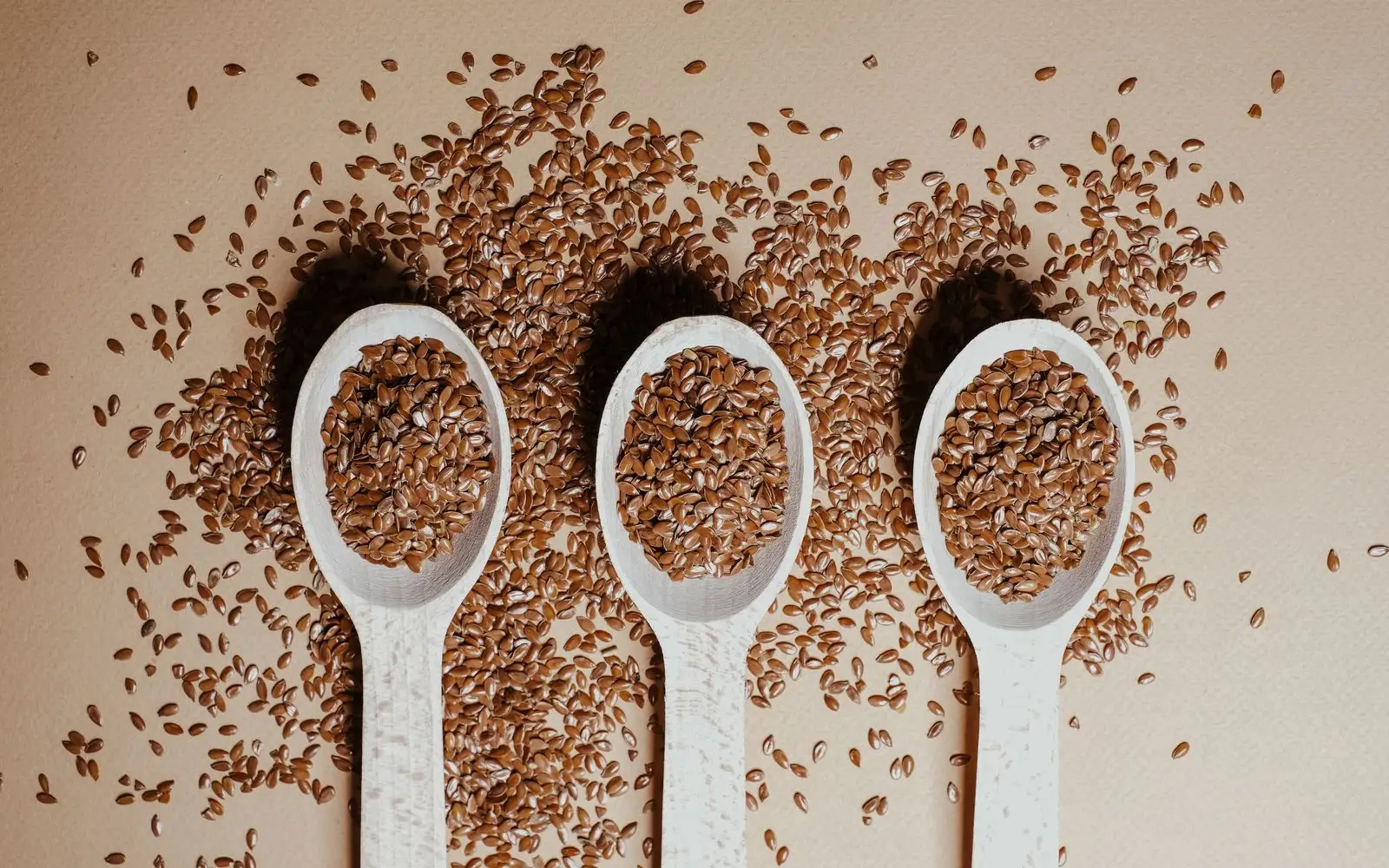
Where do vegetarians and vegans get omega-3?
From nuts, seeds and their oils. The NHS lists linseed (flaxseed) oil, rapeseed oil, chia seeds, shelled hemp seeds and walnuts for vegans.
Eat eggs? The NHS adds eggs enriched with omega-3, plus pumpkin seeds. The BDA adds soya foods such as beans, milk and tofu.
| Food | Serving | Plant omega-3 (ALA) |
|---|---|---|
| Flaxseed (linseed) oil | 1 tbsp | About 7.3 g |
| Chia seeds | 28 g | About 5.0 g |
| Hemp seeds, shelled | 30 g (3 tbsp) | About 2.6 g |
| Walnuts | 28 g (about 7 nuts) | About 2.5 g |
| Ground flaxseed | 1 tbsp | About 1.6 g |
| Rapeseed oil | 1 tbsp | About 1.3 g |
Sources: USDA FoodData Central (US data); USDA: chia seeds; USDA: hemp seeds; USDA: walnuts; USDA: ground flaxseed; USDA: rapeseed oil; NHS
These are US figures, worked out per serving from USDA food records. Amounts vary by brand and crop.
The NHS says to eat nuts and seeds rich in omega-3, such as walnuts, every day. Add one to tomorrow’s breakfast.
Is plant omega-3 as good as fish omega-3?
Not gram for gram. Plants give you ALA. Fish give you two other kinds, called EPA and DHA.
Your body can turn some ALA into EPA and DHA, but only in small amounts. The BDA says it happens slowly.
Plant omega-3 to the fish kinds: each step makes less
- 1
ALA
From walnuts, flax, chia, hemp and rapeseed oil.
- 2
EPA
Your body makes some. Limited in men, more in women.
- 3
DHA
Very little gets this far.
Sources: BHF; Burdge and Calder 2005
Think of ALA as flour and DHA as bread. Your body is a slow baker that turns only a little flour into bread, so a spoon of flax won’t become a portion of salmon.
A study of 659 UK men found lower EPA and DHA in vegetarians and vegans than in meat-eaters.
The NHS says there’s no strong evidence of harm to health from eating less of the fish kinds. It also says plant omega-3 may not do as much for heart risk as oily fish.
Keep eating plant sources daily. ALA is an essential fat your body can’t make.
Algae oil vs flaxseed: which is better?
The vegan source that skips that step is algae oil. The omega-3 in fish comes from micro-algae, tiny plants that grow in water.
Algae oil supplements contain EPA and DHA, says the BHF. So your body gets them ready-made, with no baking.
| Flaxseed (linseed) | Algae oil | |
|---|---|---|
| Kind of omega-3 | ALA | EPA and DHA |
| Does your body convert it? | Yes, and only small amounts | No, it’s ready to use |
| What trials found | More ALA raised EPA, not DHA | Blood DHA rose as much as with salmon |
| How you get it | Food: ground seeds or oil | A supplement |
| UK advice | NHS lists it for vegans | Optional. BDA: not advised for most people |
Sources: BHF; BDA; NHS; Burdge and Calder 2005; Arterburn 2008
In a small 2-week trial, 32 healthy adults took 600 mg of DHA a day from algae oil capsules or from salmon. Blood DHA rose by about the same in both groups.
It measured blood levels, not heart health.
So it’s not either or. Use flax and other seeds as everyday food. If you want EPA and DHA without fish, algae oil is the vegan way to get them.
Do vegans need an omega-3 supplement?
Not by default. The BHF says you don’t need omega-3 supplements unless your doctor prescribes them. The BDA says they’re not recommended for the general UK population, as evidence of benefit is inconclusive.
There’s also no UK target for how much omega-3 you need.
Pregnant? DHA matters for your baby’s brain and eyes. The NHS calls algae supplements a vegan-friendly source, but check yours has no vitamin A and suits pregnancy.
Five label checks for an algae omega-3
- Check the label for the amount of EPA and DHA, as it varies between products.
- For an adult, look for about 450 mg of EPA and DHA a day. That matches the fish advice.
- Pregnant or planning a baby? Choose one with no vitamin A that suits pregnancy.
- For a child, choose one made for their age, as children need less.
- Take prescribed medicines? Ask your doctor before you start, to avoid clashes.
Never stop or change a prescribed medicine without your prescriber. Weighing up other pills? See supplements worth taking and cod liver oil vs fish oil.
Curious about your own level? Read about the omega-3 blood test.
How do I get omega-3 every day without fish?
Six ways to get omega-3 without fish
- Eat nuts and seeds rich in omega-3, such as walnuts, every day.
- Add walnuts to porridge, or chia and flaxseed to yoghurt with fruit.
- Cook with rapeseed oil, often sold as vegetable oil, rather than corn, sesame or sunflower oil.
- Sprinkle shelled hemp seeds on salads or soup.
- Use soya foods, such as soya beans, soya milk and tofu.
- Eat eggs? Choose omega-3 enriched eggs, and check labels on milk, yoghurt, bread and spreads.
The BDA says corn, sesame and sunflower oils are lower in omega-3. One switch of cooking oil helps every meal.
More reading: foods high in omega-3 and blood tests for vegans.
When to speak to a GP
Get help if:
- Call 999 if your lips, mouth, throat or tongue suddenly swell, or your throat feels tight. Call if you’re breathing very fast, or struggling to breathe or swallow. Call if your skin, tongue or lips turn blue, grey or pale. Call if you suddenly feel very confused, drowsy or dizzy, someone faints and can’t be woken, or a child is floppy or not responding like normal. Have an adrenaline pen or nasal spray? Use it first, then call 999.
- You think you or your child may have a food allergy. Walnuts and soya are among the most common.
- You take prescribed medicines and want an omega-3 supplement. The BHF says to talk to your doctor first, especially about fish oil if you take medicines that affect blood clotting.
- You’re pregnant and unsure which supplements are safe. The NHS says to check with a health professional.
Never stop or change a prescribed medicine without your prescriber.