What vitamins do men over 50 need?
Vitamin D, at any age. The NHS says to consider 10 micrograms daily in autumn and winter. Food can cover most of the rest. But older men’s bones need a cap on one multivitamin ingredient.
On this page
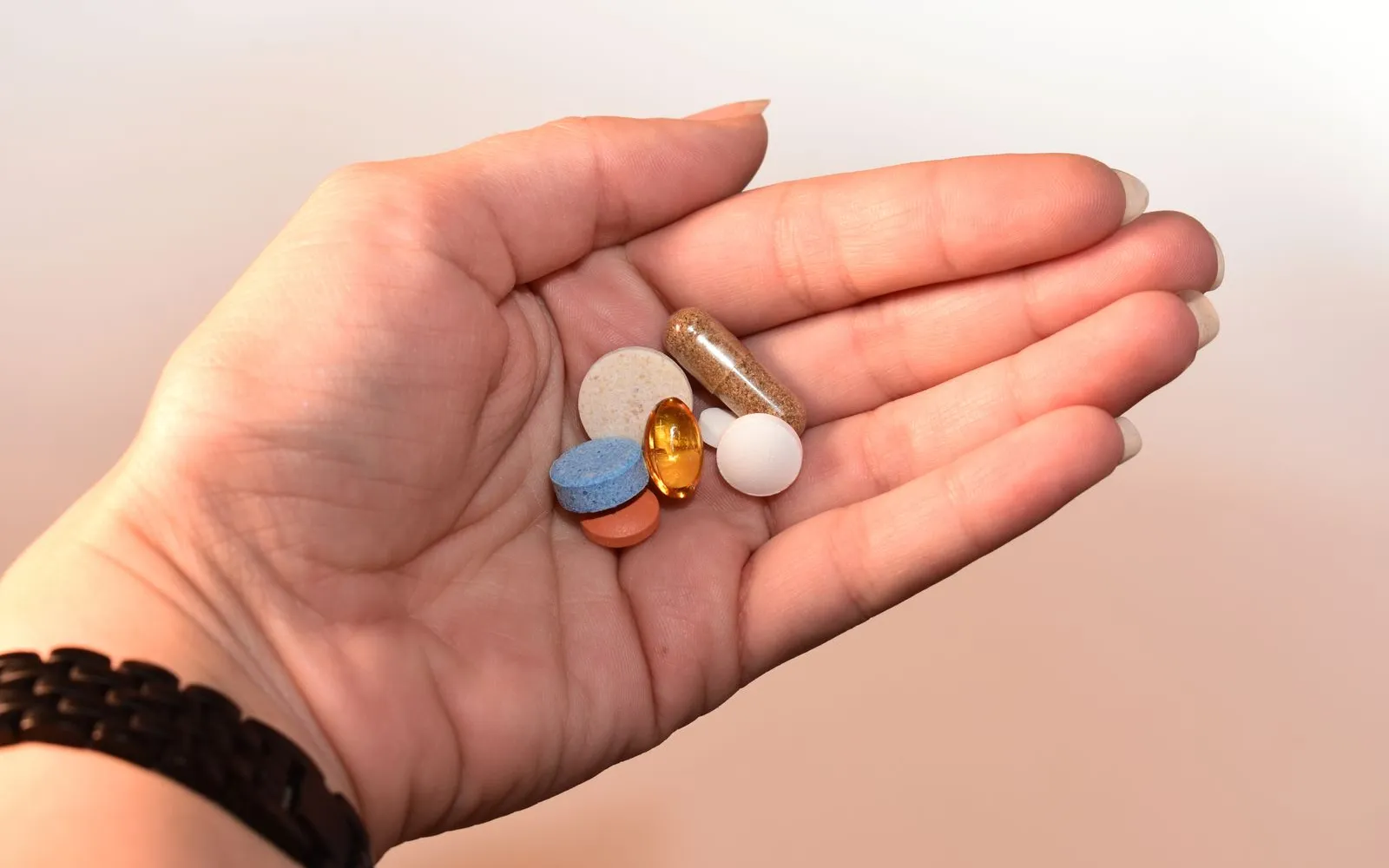
What are the best vitamins for men over 50?
Vitamin D comes first. From October to early March the sun is too weak for your skin to make enough. So the NHS says everyone should consider 10 micrograms (400 IU) a day in autumn and winter.
Take it all year if you’re rarely outdoors (for example, frail or housebound), live in a care home or cover most of your skin outside. With dark skin, the NHS says to consider it all year too.
For everything else, the NHS says most people get what they need from a varied and balanced diet. Some people may need extra. In your 40s the advice is the same: vitamin D first, food for the rest.
| Nutrient | How much a day | What changes with age |
|---|---|---|
| Vitamin D | 10 micrograms | Same at every age. Consider a supplement in autumn and winter. |
| Vitamin A | 700 micrograms (aged 19 to 64) | Older men: no more than 1.5 mg from food and supplements together. |
| Vitamin B12 | About 1.5 micrograms (aged 19 to 64) | Harder to absorb as you get older. |
| Iron | 8.7 mg | Same for all men. Food should cover it. |
| Zinc | 9.5 mg (aged 19 to 64) | Supplements: no more than 25 mg. |
| Calcium | 700 mg | Same for all adults. |
Sources: NHS vitamin D; NHS vitamin A; NHS B vitamins; NHS iron; NHS zinc; NHS calcium
Pick a vitamin D with 10 micrograms. Take no more than 100 micrograms (4,000 IU) a day, unless your doctor advises a different amount. More in can you take too much vitamin D?
Which vitamin do older men need to limit?
That ingredient is vitamin A. Older men are more at risk of weak bones (osteoporosis). So the NHS says to have no more than 1.5 mg a day from food and supplements together.
Why? Some research suggests that more than that, on average over many years, may make bones more likely to break as you get older.
Eat liver or pâté every week? Then the NHS says to take no supplements with vitamin A, including fish liver oil. The NHS also says not to eat liver or pâté more than once a week.
Smoke, or worked with asbestos? Skip beta-carotene pills (your body turns beta-carotene into vitamin A). The NHS says these pills have been found to raise the risk of lung cancer in those groups.
Do men over 60 and 70 need B12?
Not as a rule, but it’s the one to watch. The NHS says B12 gets harder to absorb as you get older.
Low B12 or low folate (another B vitamin) affects about 1 in 20 people aged 65 to 74. At 75 or over, it’s 1 in 10.
Some medicines lower B12 too, including the diabetes medicine metformin and acid-reducing tablets called PPIs. Your GP knows this and will check you if needed.
Never stop or change a prescribed medicine without your prescriber.
Watch the folic acid too. Over 1 mg a day can hide the signs of low B12, which matters more as you age.
What to do if you think your B12 is low
- 1
Spot the signs
Extreme tiredness, pins and needles, a sore red tongue, mouth ulcers and more.
- 2
See a GP
Often diagnosed from your symptoms and a blood test.
- 3
Get it treated
Most cases are easily treated with injections or tablets.
Source: NHS
More on B12 deficiency symptoms.
Should men take iron, zinc or vitamin E?
Iron: usually not. Men need 8.7 mg a day, and the NHS says food should cover it.
Some people build up too much iron. It’s an inherited condition called haemochromatosis, with signs that usually start between 30 and 60.
People being treated for it are usually told to avoid iron and vitamin C pills. See haemochromatosis symptoms.
Zinc: men need 9.5 mg. Take no more than 25 mg a day in supplements, unless your doctor advises it.
Vitamin E pills sold “for the prostate”? A trial in nearly 35,000 men aged 55 and over (50 and over for black men) found a higher risk of prostate cancer.
Source: SELECT trial, JAMA 2011
That was 1.6 extra cases per 1,000 men a year.
There’s no reason to take vitamin E pills for your prostate. For checks, see the PSA prostate blood test.
Is a multivitamin worth it for men over 50?
A little, at most. One large trial gave 14,641 US male doctors aged 50 and over a daily multivitamin or a dummy pill for about 11 years.
The multivitamin group had 8% fewer cancers: 17.0 against 18.3 cases per 1,000 men a year. But there was no effect on prostate cancer, and no drop in heart attacks or strokes.
A review of 84 studies found supplements gave little or no benefit against cancer, heart disease or death in adults who weren’t low in anything. Multivitamins and cancer were the small exception, and that evidence had important limitations.
Prefer one tablet anyway? Check the label first.
Six checks on a men’s multivitamin label
- Vitamin D: look for 10 micrograms. Take no more than 100 micrograms a day, unless your doctor advises a different amount.
- Vitamin A: add up what’s in it and in any fish liver oil. Older men should keep food and supplements to 1.5 mg a day or less.
- Beta-carotene: choose one with none if you smoke or have been exposed to asbestos.
- Iron: men need 8.7 mg, which food should cover. Keep supplements to 17 mg a day or less.
- Zinc: keep supplements to 25 mg a day or less, unless your doctor advises more.
- Folic acid: keep it to 1 mg a day or less.
Sources: NHS vitamin D; NHS vitamin A; NHS iron; NHS zinc and beta-carotene; NHS B vitamins
The best multivitamin for you is one that passes all six. For the bigger question, see do I need a multivitamin? and supplements worth taking.
When to speak to a GP
Low B12 and too much iron can both feel like plain tiredness, so a blood test beats a guess. Book an appointment if:
- You think you may have low B12 or folate. Signs include extreme tiredness, a lack of energy, pins and needles, a sore red tongue, mouth ulcers, muscle weakness, vision problems, low mood or anxiety, confusion or dementia, and problems with memory, understanding and judgement. The NHS says to get it treated as soon as possible, as some problems can be permanent.
- You have lasting or worrying signs of haemochromatosis, such as constant tiredness, weight loss, weakness, joint pain or trouble getting an erection. This matters most with a northern European family background.
- A parent, brother or sister has haemochromatosis, even if you feel well.
- You take metformin or a PPI and want to know whether your B12 should be checked.
See also blood tests for men over 50. Women can read vitamins for women over 40.