Why do I keep waking up at 3am?
Often stress, alcohol or caffeine. A room that’s too hot, cold or noisy can do it too. Watching the clock? The NHS says hide it, and get up after about 20 minutes.
On this page
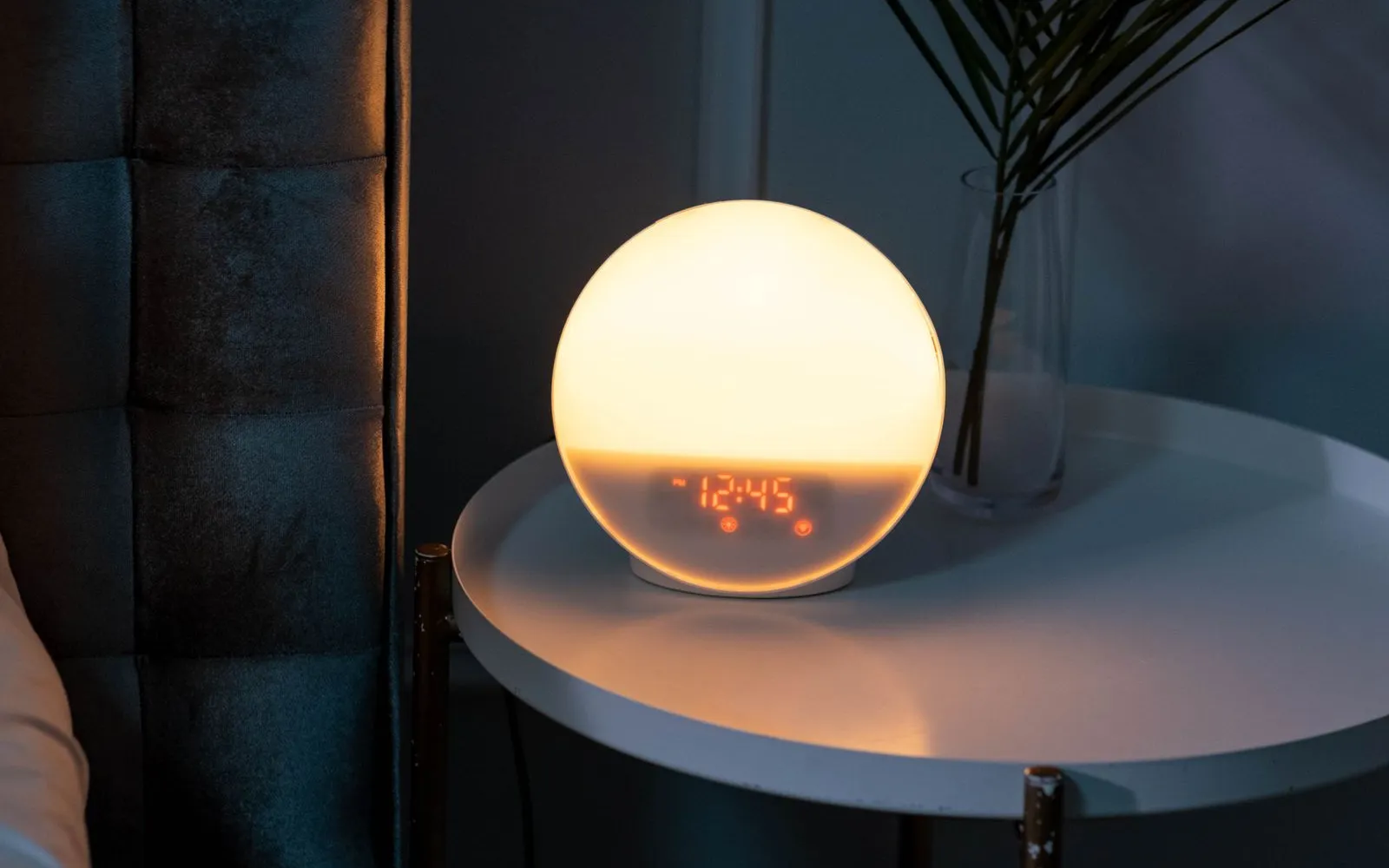
Why do I keep waking up at 3am?
Often it’s stress, alcohol or caffeine. The NHS lists these among the common causes of insomnia, with noise and a room that’s too hot or cold.
Some sites blame 3am on cortisol or your liver. None of the NHS pages or studies we read show a cause tied to that hour.
What can the timing tell you? Most deep sleep comes in the first half of the night. The second half has more dream sleep.
That second half is where alcohol bites. In studies of healthy people, it helped them drop off, then broke up the second half of sleep. So if you wake at 3am after a drink, start there.
| Cause | Clue | Try first |
|---|---|---|
| Stress or worry | You lie in bed worrying | Write tomorrow’s to-do list before bed. |
| Alcohol | You drank that evening | No alcohol for at least 6 hours before bed. |
| Tea, coffee or nicotine | You had some late in the day | None for at least 6 hours before bed. |
| Your room | Too hot, too cold, light or noisy | Make it dark, quiet and cool. |
| Needing to pee | You wake to go to the toilet | Drink less in the hours before bed, but enough by day. |
Sources: NHS: insomnia; NHS: sleep tips; NHS: incontinence
Pick the row that sounds most like your nights. Change that one first.
Is waking up in the night normal?
It gets more common with age. A review of 65 studies in 3,577 healthy people found that time awake after first dropping off rose with age in adults.
It counts as insomnia when it’s regular. The NHS says that’s if you regularly wake up several times in the night. Waking early and not getting back to sleep counts too, as does still feeling tired after waking.
- Below 3 monthsNHS: short-term insomnia.
- 3 months or aboveNHS: long-term insomnia.
Source: NHS: insomnia
Insomnia usually gets better by changing your sleep habits. To see what your bad nights have in common, keep a sleep diary for two weeks.
Why do I wake up every hour or every 2 hours?
Waking many times a night can have a health cause. Look for the other signs that go with each one.
| Cause | Other signs |
|---|---|
| Sleep apnoea (breathing stops and starts) | Loud snoring, gasping or choking noises, very tired by day. |
| Night sweats | Night clothes and bedding soaking wet, even in a cool room. |
| Menopause | Hot flushes, night sweats, changes to your periods. |
| Restless legs | A strong need to move your legs, usually worse at night. |
| Overactive thyroid (the gland in your neck makes too much hormone) | Feeling hot, needing to pee more often than usual. |
| Depression | Low mood, or waking very early in the morning. |
Sources: NHS: sleep apnoea; NHS: night sweats; NHS: menopause; NHS: restless legs; NHS: overactive thyroid; NHS: depression
Sleep apnoea is hard to spot in yourself. The NHS suggests asking someone to stay with you while you sleep, so they can check.
Night sweats can also come from anxiety, alcohol, low blood sugar or some medicines, such as some antidepressants, steroids and painkillers. Many medicines and long-term pain can cause insomnia too.
Never stop or change a prescribed medicine without your prescriber. Ask your pharmacist or GP if yours could affect sleep.
If one of these rows sounds like you, see a GP (the list is at the end of this page). More on night sweats blood tests and sleep apnoea and blood tests.
What to do when you wake up at 3am
Awake in the night? Four steps from the NHS
- 1
Hide the clock
Keep clocks out of view and your phone face down.
- 2
Give it 20 minutes
Still awake after around 20 minutes? Get up.
- 3
Do something calm
Sit somewhere comfortable. Read or play quiet music.
- 4
Back to bed
Go back when you feel sleepy.
Source: NHS: sleep tips
That’s the clock advice from the top of the page. Hide it, and don’t lie there awake for much more than around 20 minutes.
Mind racing? Next time, write a list of what you need to do the next day before you go to sleep.
Had a bad night? Don’t sleep in or nap to make up for it. Get up at your usual time.
Here’s why catch-up sleep falls short.
How to stop waking up in the night
Six NHS habits for staying asleep
- Wake up and get out of bed at the same time every day.
- Have no alcohol, tea, coffee or cigarettes for at least 6 hours before bed.
- Keep your bedroom dark, quiet and cool.
- Don’t eat a big meal late at night.
- Exercise regularly in the day, but not in the 4 hours before bed.
- Only go to bed when you’re sleepy.
Sources: NHS: insomnia; NHS: sleep tips
Thinking of a sleep aid from the pharmacy? The NHS says they can’t cure insomnia. They may help for 1 to 2 weeks and shouldn’t be taken for longer.
Check with your doctor before taking anything for sleep.
If habits don’t work, a GP may offer CBT, a type of talking therapy. It can be face to face or an online self-help course. GPs now rarely prescribe sleeping pills.
See how CBT for insomnia works. And check your caffeine cut-off and how alcohol affects sleep.
When to speak to a GP
See a GP if:
- Changing your sleep habits hasn’t helped, or you’ve had trouble sleeping for months.
- Poor sleep is affecting your daily life in a way that makes it hard to cope.
- Your breathing stops and starts in your sleep, you make gasping, snorting or choking noises, or you always feel very tired during the day.
- You have night sweats regularly that wake you or worry you, or with a very high temperature (or feeling hot, cold or shivery), a cough, diarrhoea or weight loss for no reason.
- You’ve had signs of depression, such as low mood, for most of the day, every day, for more than 2 weeks.
Having thoughts of harming yourself? Call 111 or Samaritans on 116 123, any time. If you’ve seriously harmed yourself, or feel you may be about to, call 999 or go straight to A&E.
See also how much deep sleep you need. If you’re thinking about a cortisol test, see cortisol and sleep.