Water flossing vs string floss: which works better?
A little better for bleeding gums. In 4-week trials, water flossers cut gum bleeding a bit more than string floss. But reviews found no extra plaque removal, and that changes how you should use one.
On this page
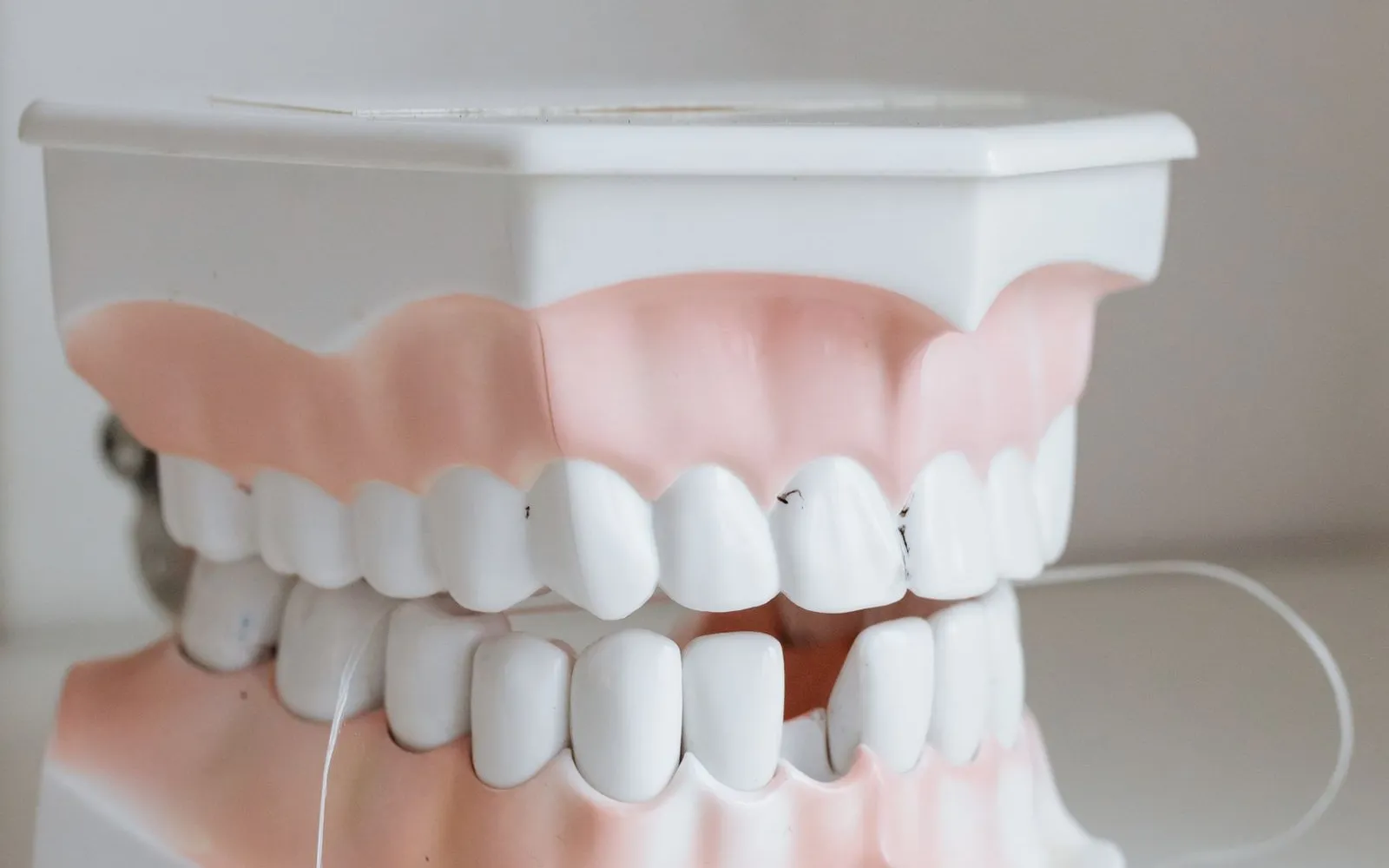
Is water flossing better than flossing?
Slightly, for bleeding gums, over a few weeks. A water flosser sprays a thin jet of water between your teeth and along the gum line.
In one trial, 108 people used a water flosser or floss once a day for 4 weeks. One of its authors worked for Water Pik.
The water flosser groups had less gum bleeding. Plaque was no different.
A review of 18 trials, whose authors declare no conflicts, found the same pattern. Water flossers gave a slight edge for bleeding, but no extra plaque removal over floss for people without braces.
| What was checked | What trials found | How sure |
|---|---|---|
| Gum bleeding | Slightly less than with floss, in trials of about 4 weeks | Slight benefit, says a review of 18 trials |
| Red, swollen gums (gingivitis) | May be less than with floss at 1 month | Low to very low certainty |
| Plaque | No clear difference from floss | Very low certainty |
| After 3 or 6 months | No benefit shown over brushing alone for red, swollen gums. No trials compared it with floss this long. | Very low certainty |
Sources: Cochrane; Badahdah 2025; Rosema 2011
Several trials had links to Water Pik, which makes water flossers. A 2023 trial is one. UK guidance calls the evidence for water flossers limited and inconsistent.
So if floss works for you and your gums don’t bleed, there’s no strong reason to switch.
Does a water flosser remove plaque?
Some, but reviews found no more than floss. Plaque is a film of bacteria that coats your teeth. It builds up and irritates your gums.
That plaque gap is the catch. Floss and interdental brushes scrape plaque off. The Oral Health Foundation says water alone cannot always do that.
Think of a hose on a muddy car. It shifts the loose dirt. The sticky film often needs a sponge.
So keep cleaning between your teeth every day with floss or interdental brushes. Treat the water flosser as an extra. The floss or interdental brushes guide helps you pick between them.
Who is a water flosser good for?
People who struggle with floss. Some find water flossers easier with braces, bridges, implants or limited hand movement.
| If you have | What the evidence says |
|---|---|
| Braces | A review of 18 trials found water flossers may give slight benefits over floss, especially with braces. |
| Dental implants | In one 30-day trial, bleeding fell at 18 of 22 implants with a water flosser and 6 of 18 with floss. |
| Bridges or stiff hands | Some people find a water flosser easier than floss. |
| Serious gum disease (periodontitis), now or treated before | UK guidance says use interdental brushes. They work better than floss in the wider gaps this leaves. |
Sources: Badahdah 2025; Magnuson 2013; Oral Health Foundation; Delivering Better Oral Health
The implant trial had a Water Pik author. A later review of 6 studies found water flossers did a little better than floss around implants. But the gap was too small to be sure it was real.
Ask your dental hygienist (the person at the dentist’s who cleans and checks your gums) which tool and tip to use for each gap.
Should I swap my floss for a water flosser?
Pick the tool you’ll use. The Oral Health Foundation’s advice is to choose the method you are most likely to use every day. Many people use a mix.
Which fits you?
- 1
Floss going well
Keep it. Add a water flosser only if you like it.
- 2
Skip floss because it’s fiddly
Try a water flosser, plus interdental brushes where they fit.
- 3
Braces, bridges or implants
Ask your hygienist. Some people find a water flosser easier.
- 4
Bleeding that won’t settle
See your dental team first.
Sources: Oral Health Foundation; Oral Health Foundation: water flossers
Missing floss most nights? A tool you use beats one left in the drawer. Then book a hygienist visit to check what’s working.
How to use a water flosser in your routine
Your daily routine with a water flosser
- Brush for about 2 minutes, last thing at night and at one other time.
- Adults: use toothpaste with at least 1,350 parts per million (ppm) fluoride, then spit and don’t rinse.
- Clean between your teeth every day with floss or interdental brushes.
- Use the water flosser as well as brushing, never instead of it.
- Follow the instructions that came with your water flosser.
- Adding mouthwash to the tank? Don’t use mouthwash straight after brushing.
Sources: NHS: keep your teeth clean; NHS: gum disease; Oral Health Foundation
The NHS says it’s best to floss before brushing. Use the tips made for your needs, such as braces or sensitive gums.
Mild bleeding is common when you start. It usually improves with regular cleaning. If it carries on, speak to your dental team.
Struggle to keep it up? Tie it to something you already do. The habit-building guide shows how.
When to speak to a GP
Gum problems are a job for a dentist, not usually a GP. The NHS says to see a dentist if:
- your gums bleed when you brush your teeth or eat hard foods
- your gums are painful and swollen, or you have bad breath
- your child has sore, bleeding gums
- you haven’t had a check-up for 2 years (or 1 year if you’re under 18)
Ask for an urgent dentist appointment if you or your child has gum disease and other symptoms. These include very sore and swollen gums, or teeth that are loose or falling out. They also include ulcers or red patches in your mouth, or a lump in your mouth or on your lip.
Out of hours, call your dentist. No dentist, or no emergency slot? Call 111 for advice.
See also what to do about bleeding gums.