Can you combine cardio and strength training?
Yes, on the same days or different ones. Across 43 trials, adding cardio didn’t hold back gains in muscle size or top strength. One thing may slip when both share a session.
On this page
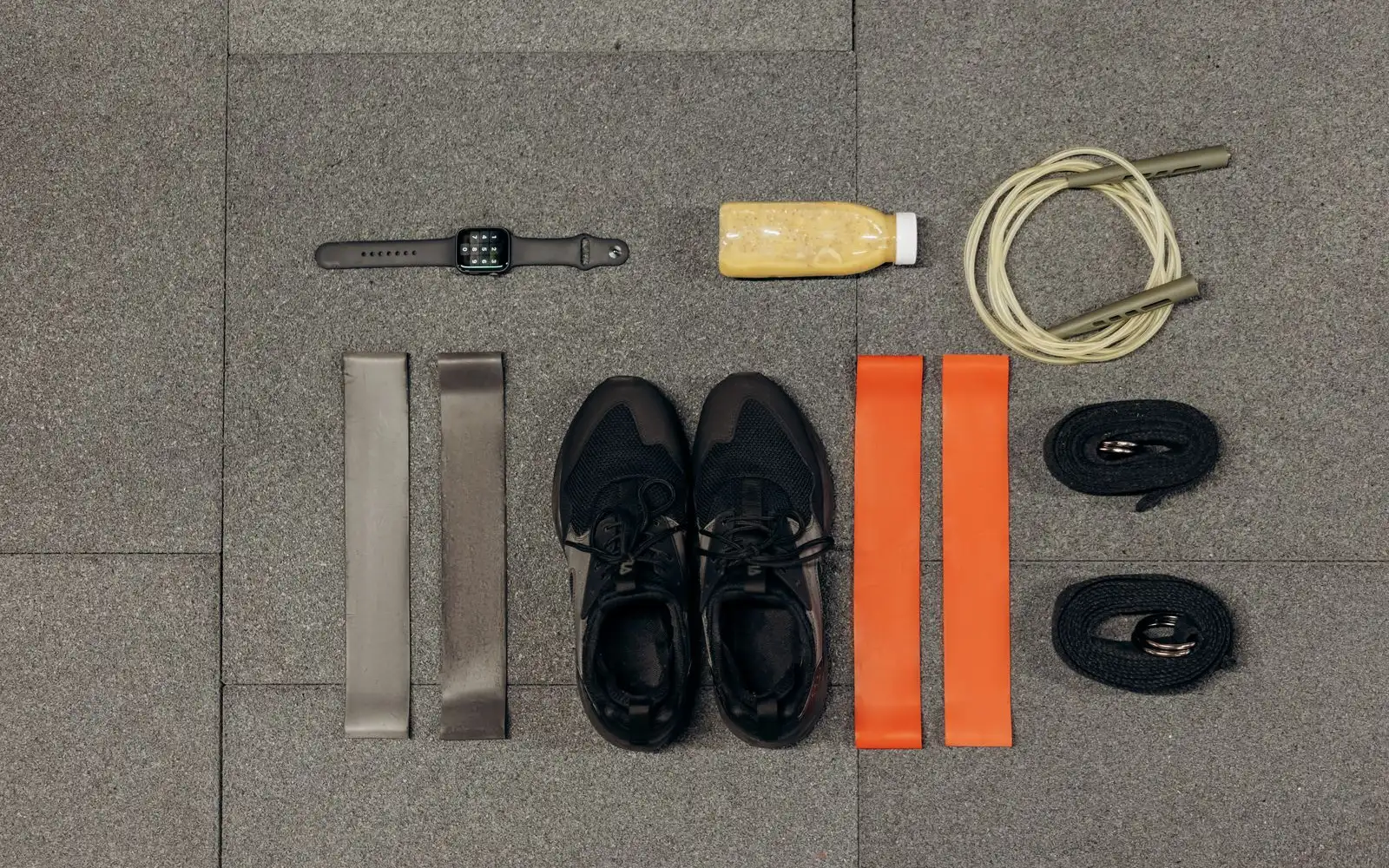
Should you do cardio and strength training together?
Yes. The NHS asks adults for strength work on at least 2 days a week. It also asks for at least 150 minutes of moderate cardio, or 75 minutes of hard cardio.
Strength work doesn’t count towards the 150. The NHS says you need it as well as your aerobic activity, on the same or different days.
You don’t trade one for the other. A 2026 review pooled 17 earlier reviews: 144 studies and 1,492 healthy people. Doing both improved fitness and strength together.
| Training | Fitness | Strength |
|---|---|---|
| Cardio only | Same as doing both | Less than doing both |
| Weights only | Less than doing both | Same as doing both |
| Both | Full gain | Full gain |
Source: Held 2026
The long-term link looks good too. 3 large studies followed adults without serious illness for years. Those who did both were 40% less likely to die during the studies than those who did neither.
Those studies only watched people, so they show a link, not proof. The reviewers rated that evidence very low quality.
Your first step: count last week’s strength days and cardio minutes against 2 and 150.
Does cardio kill your gains?
Mostly, no. A 2022 review of 43 studies gave people the same weights plan, with or without cardio, for at least 4 weeks. Adding cardio didn’t hold back muscle size or top strength.
| What you train for | What adding cardio did |
|---|---|
| Muscle size | No clear change |
| Top strength (your heaviest lift) | No clear change |
| Power (jumps and sprints) | Gains may be smaller, mostly when both share a session |
Source: Schumann 2022
That one thing is power: how high you jump or how fast you sprint. The drop was clearer when cardio and weights were in the same session. With at least 3 hours between them, it wasn’t clear.
Running or cycling made no difference in the 2022 review.
It also found no difference by age, by being new to training, or by doing more than 5 sessions a week. Data on elite athletes is still scarce.
So pick the cardio you’ll actually keep doing. Runners can see strength training for runners.
How to plan cardio and weight training in a week
The NHS suggests you spread exercise over 4 to 5 days a week, or every day. Here’s one way to fit both in.
| Day | Session | Cardio minutes |
|---|---|---|
| Monday | Strength for the whole body, then an easy cycle | 20 |
| Tuesday | Brisk walk or swim | 40 |
| Wednesday | Rest | 0 |
| Thursday | Strength for the whole body, then an easy cycle | 20 |
| Friday | Rest | 0 |
| Saturday | Jog, cycle or brisk walk | 40 |
| Sunday | Brisk walk | 30 |
Source: NHS
Moderate means you can still talk, but not sing. For strength, work each move until you need a short rest before you go again.
Weights or cardio first? Reviews found no clear difference. Weights first may help strength a little, and cardio before or after weights goes deeper.
Play a sport that needs jumps or sprints? Keep cardio and weights at least 3 hours apart. With that gap, the drop in power wasn’t clear in the 2022 review.
Your cardio and strength week
- Do strength work for all your major muscles on at least 2 days a week.
- Add at least 150 minutes of moderate cardio, or 75 minutes of hard cardio.
- Spread it over 4 to 5 days a week, or every day.
- Go at a pace where you can still talk, but not sing.
- Training for jumps or sprints? Keep cardio and weights at least 3 hours apart.
- Stop the exercise immediately if you feel any pain or become unwell.
Sources: NHS; NHS warm-up; Schumann 2022
Want more lifting days? See weekly workout splits.
New to the gym? Start with our beginner gym plan.
What is a cardio strength workout?
It’s usually a circuit. You move from one strength exercise to the next with little rest, so your heart rate stays up. Hybrid training means training for strength and fitness in the same plan, as above.
Circuits work for both. A review of 45 studies found they raised fitness by about 6%. Muscle went up about 2% and fat went down about 4%, and strength rose in arms and legs.
How to build a circuit
- 1
Warm up
At least 6 minutes, such as marching on the spot.
- 2
Move to move
Strength exercises back to back, with short rests.
- 3
Keep at it
At least 20 to 30 minutes a session.
- 4
Give it time
14 to 30 sessions over 6 to 12 weeks.
Sources: NHS warm-up; Ramos-Campo 2021; Muñoz-Martínez 2017
Those session lengths and weeks gave the biggest fitness gains in a 2017 review. Short rests were also linked to more fat loss.
No gym? Try HIIT at home. For sport, see strength and conditioning.
When to speak to a GP
Get advice first, from a GP or another health professional, if:
- You haven’t exercised for some time, or you have medical conditions or concerns.
- You have a health problem, an injury or any symptoms, or you feel unwell.
- You’ve had a recent health event, such as a heart attack or operation.
- You’re pregnant or have recently given birth.
- Pain or feeling unwell made you stop, and the symptoms worry you or don’t go away. Use 111.
Call 999 for sudden chest pain or discomfort that doesn’t go away. Call 999 too for pain spreading to your arm, neck, jaw, stomach or back. Or chest pain with sweating, feeling sick, light-headed or short of breath.
Want to track your effort? See zone 2 heart rate.