What are the cheapest high protein foods?
Start with beans, lentils, eggs and tinned fish. Think beans on toast or a tuna pasta bake. A big tin of baked beans has about the protein of 3 eggs or a small chicken breast.
On this page
What are the cheapest high protein foods?
Beans, lentils, chickpeas, eggs, milk, yoghurt and tinned fish. They’re all on the dietitians’ list of good value protein, along with frozen chicken thighs and budget cuts of meat.
Plant proteins like beans, lentils and tofu are generally the cheapest way to get protein, says the BHF. They’re lower in unhealthy (saturated) fat than meat, too.
| Food | Amount | Money tip |
|---|---|---|
| Baked beans | 1 large can (400 g) | Value tins can have added sugar and salt. Check the label. |
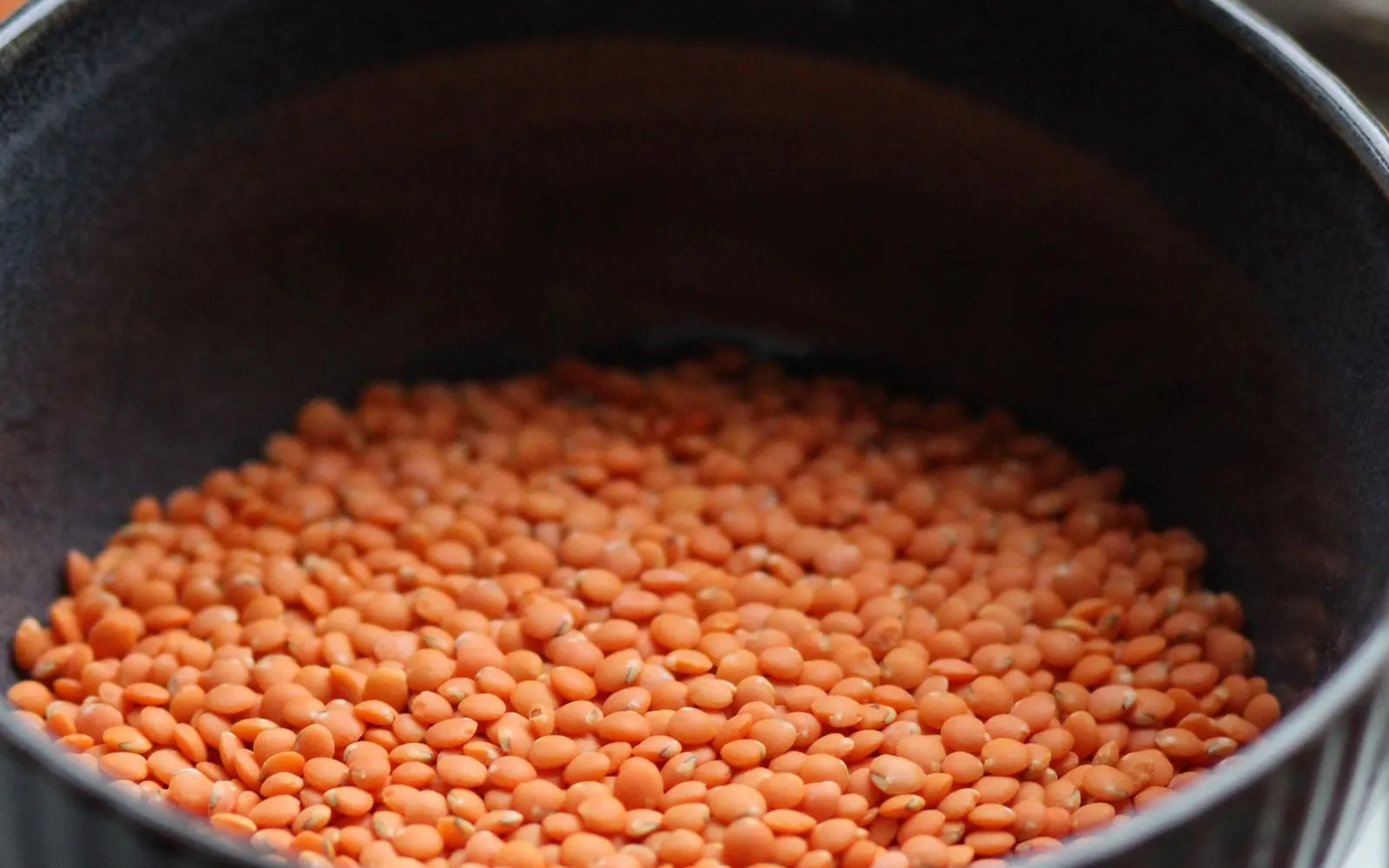
| Red lentils | About 260 g cooked | Stir into mince, soups and curries. |
| Tinned chickpeas | About 280 g (drained) | Add to a curry in place of some meat. |
| Eggs | 3 medium eggs | Boil a few at once for quick meals. |
| Tinned tuna | 1 small can (100 g) | Tinned fish is cheaper than fresh. |
| Semi-skimmed milk | 1 pint (600 ml) | Value brands often taste just as good. |
| Chicken | 1 small breast (75 g cooked) | Skin-on pieces with bones cost less. |
So that big tin of beans matches 3 eggs or a small chicken breast for protein. A portion of baked beans also counts as one of your 5 A Day.
Prices change every week. Check the unit price, such as the price per kilo, not the pack price.
Cheap high protein meals
The BDA, the body for UK dietitians, lists these budget meal ideas. Each one is low cost and meets healthy eating guidelines.
| Meal | Idea | Protein |
|---|---|---|
| Breakfast | Eggs, baked beans or nut butter on brown toast | Eggs, beans, nuts |
| Breakfast | Cheese and vegetable omelette | Eggs, cheese |
| Lunch | Jacket potato with baked beans, cottage cheese or tinned fish | Beans, cheese, fish |
| Lunch | Tinned fish on toast or in a sandwich, with salad | Fish |
| Dinner | Tuna and sweetcorn pasta bake | Tuna |
| Dinner | Rice and peas with mackerel in tomato sauce | Mackerel, beans |
| Dinner | Chicken and vegetable stew with rice or couscous | Chicken |
Source: BDA
Cook once, eat twice. The BDA suggests batch cooking and freezing portions to save money.
For a week of boxes, see high protein meal prep. No meat? Try high protein vegetarian meals.
How do I make cheap meat go further?
Use less of it and add beans. The BHF suggests this for shepherd’s pie, Bolognese, stews and curries.
The cheapest mince has around four times the unhealthy (saturated) fat of extra-lean. Cook it the day before and chill it in the fridge. Then lift the fat off the top.
Six ways to get protein for less
- Compare the unit price, such as the price per kilo, not the pack price.
- Swap some mince for beans or lentils in pies, stews and curries.
- Buy skin-on chicken pieces with bones, or frozen chicken thighs, and take the skin off before cooking.
- Buy tinned fish, or frozen fish without sauces or coatings.
- Have a meat-free meal or day at least once a week.
- Look on the top and bottom shelves, and try value brands.
Tinned sardines, mackerel, pilchards and salmon are oily fish. The NHS advises at least 2 portions of fish a week, including 1 of oily fish. Tinned tuna doesn’t count as oily.
Girls, and women who haven’t been through the menopause, should have no more than 2 portions of oily fish a week. That includes anyone pregnant, breastfeeding or trying for a baby.
Eat more than 90 g (cooked weight) of red or processed meat a day? The NHS advises cutting down to 70 g.
Cheap high protein snacks
Pick from the BDA’s budget snack list and the BHF’s good value snacks:
- a boiled egg
- carrot, cucumber or celery sticks with hummus
- sliced apple with peanut butter
- cheese and crackers
- plain low-fat yoghurt
- unsalted peanuts, sunflower seeds or pumpkin seeds
Peanuts and those seeds are usually the cheapest nuts and seeds. Salted peanuts often cost less than unsalted. But too much salt can add to high blood pressure, so go unsalted if you can.
Comparing bars and shakes? See protein-added foods.
Do I need more protein?
Probably not. Adults need 0.75 g per kg of body weight a day. That’s 56 g for a 75 kg man and 45 g for a 60 kg woman.
Source: BNF
So the BNF says most of us don’t need protein supplements or foods with added protein. Spend that money on beans, eggs and fish instead.
Athletes and older adults may need more. To build muscle, the BDA suggests weight training, enough food overall, and about 1.6 to 1.7 g of protein per kg a day.
Work out your own amount with how much protein you need.
Eating plant protein? See vegan protein sources.
When to speak to a GP
The NHS calls not getting enough nutrients malnutrition. See a GP if:
- You’ve lost a lot of weight without trying over the last 3 to 6 months.
- You’ve lost interest in eating and drinking, feel tired all the time or weak, or get ill often and take a long time to recover.
- You’re worried someone in your care, such as a child or older person, may not be eating enough.
- You find it hard to eat healthily on a budget. The BDA says ask your GP or speak to a dietitian.
Your GP can check your weight and height. If they think you could be malnourished, they may refer you to a dietitian.