Are gummy vitamins as good as tablets?
They can be, if the label has what you need. In small trials, vitamins from gummies got into the blood as well as tablets, or better. The catch is in the jar, not your gut.
On this page
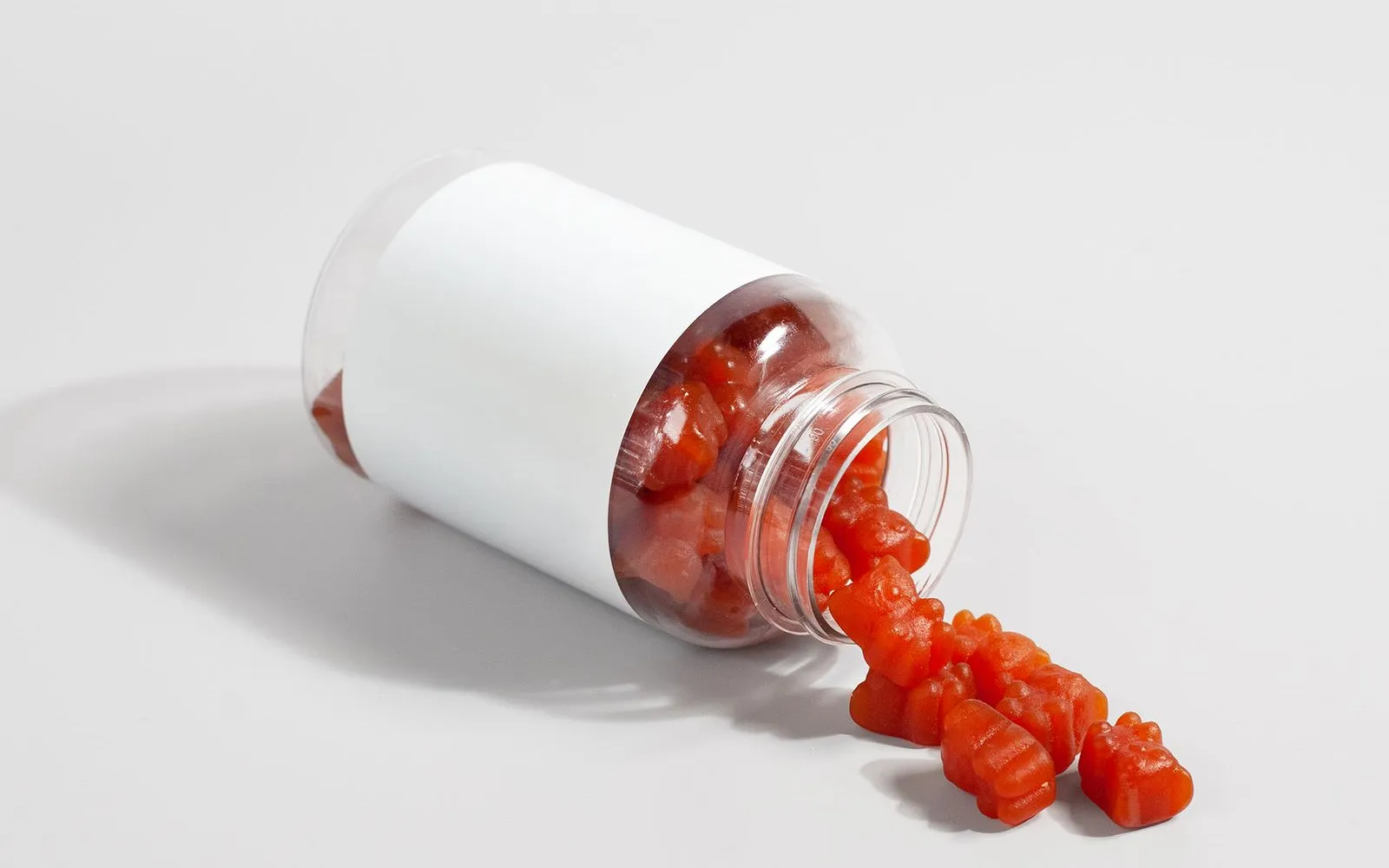
Do gummy vitamins work as well as tablets?
They can. In 31 adults, one big dose of vitamin D as gummies raised blood vitamin D more than the same dose as tablets.
In 30 adults, vitamin C from a gummy and from a caplet (a tablet shaped like a capsule) was absorbed about the same.
| Trial | What people took | What it found |
|---|---|---|
| Vitamin D, 31 adults | 20,000 IU once, as gummies or tablets | Higher blood vitamin D after the gummies |
| Vitamin C, 30 adults | 1,000 mg once, as a gummy or a caplet | About the same in the blood |
Sources: Wagner 2019; Evans 2020
Both trials were small and tested one large dose, not daily use. Both were backed by the gummy maker (see the vitamin D and vitamin C papers). So read them as “gummies can work”, not “gummies are better”.
Think of the gummy as the envelope. It gets the letter there. What matters is what’s written inside, so check the label next.
Do adults need a gummy multivitamin?
Most don’t. The NHS says most people should get all the nutrients they need from a varied, balanced diet.
Vitamin D is the exception. From October to early March, we don’t make enough from sunlight.
| Who | What, each day | When |
|---|---|---|
| Everyone | 10 micrograms of vitamin D | Autumn and winter |
| Rarely outdoors, in a care home, or skin mostly covered outside | 10 micrograms of vitamin D | All year |
| Dark skin, such as an African, African-Caribbean or south Asian background | 10 micrograms of vitamin D | All year |
| Trying for a baby or pregnant | 400 micrograms of folic acid | Ideally 3 months before, until 12 weeks |
Sources: NHS: vitamin D; NHS: pregnancy
If vitamin D is all you need, a plain vitamin D gummy can do the job. Not sure? See do I need a multivitamin and how much vitamin D to take.
How do I pick the best gummy vitamins?
There’s no best brand, only the best label for you. Turn the jar round and check these.
Six label checks before you buy gummy vitamins
- Vitamin D: 10 micrograms (400 IU) a day is enough for most people.
- Vitamin A: keep food and supplements to 1.5 mg a day or less. Eat liver every week? Pick one with no vitamin A.
- Pregnant: pick one with no vitamin A (retinol) and 400 micrograms of folic acid.
- Iron: 17 mg a day or less from supplements is unlikely to cause harm. If a GP advised more, keep taking that.
- Sugar: check the “of which sugars” line. Added sugar counts toward the NHS adult limit of 30 g of free sugars (sugar added to food, plus honey and syrups) a day.
- Sugar-free: if it warns of laxative effects, don’t eat more than the serving.
Sources: NHS: vitamin D; NHS: vitamin A; NHS: iron; NHS: pregnancy; NHS: sugar; UK food labels law
Vitamin A matters more after the menopause and for older men. The NHS says they should avoid more than 1.5 mg a day, because more over many years may make bones more likely to break.
Chewable tablets? The same six checks apply, including the sugar and sweetener lines. For women’s labels, see the best multivitamin for women.
Are gummy bear vitamins just sweets?
They’re made a lot like sweets. That’s the catch in the jar. The vitamin D gummies in the trial were made with tapioca syrup, sugar and gelatin.
The NHS says too much sugar can cause tooth decay. So keep brushing at least twice a day with fluoride toothpaste.
Sugar-free ones may use sweeteners called polyols. If they make up more than 10%, UK law says the label must warn of laxative effects.
Gummies are also harder to get right. FDA scientists say they bring challenges in making and testing, including keeping them stable.
In the vitamin D trial, the gummies held less vitamin D at the end of the first study: about 1,751 IU each, down from 2,092. The tablets barely changed. So check the use-by date.
Can you take too many gummy vitamins?
Yes. They taste nice, so an extra one is easy. Doses also add up if you take a vitamin D gummy and a multivitamin.
Add up the vitamin D on every label. Over a long time, too much can build up calcium in the body. That can weaken bones and harm the kidneys and heart.
- Below 10 micrograms a dayLess than the NHS autumn and winter amount.
- 10 up to 100 micrograms a dayWithin the NHS adult limit.
- Above 100 micrograms a dayNHS: more than 100 could be harmful.
Source: NHS: vitamin D
Labels in IU? Divide by 40, so 1,000 IU is 25 micrograms and 4,000 IU is 100. More in can you take too much vitamin D.
Iron is the one to lock away. The NHS says very high doses can be fatal, particularly for children.
At one US poison centre, 74% of calls about children and gummy medicines involved vitamins. The typical child was 3. Keep the jar out of reach of children.
When to speak to a GP
Speak to a GP if:
- You have heavy periods. You may need iron supplements.
- You’re pregnant. Some women need more than the usual folic acid dose, so check before taking a multivitamin with folic acid.
- You have a medical condition. Some conditions mean you may not safely take as much vitamin D.
- A doctor gave you a different vitamin D dose. Follow their dose, not the jar.
Think a child swallowed something harmful, such as a lot of iron gummies? Call 999 or go to A&E.
Also call 999 if someone is unconscious, has stopped breathing, is struggling to breathe or has a fit. Not sure it’s harmful? Call 111.
Never stop or change a prescribed medicine without your prescriber. For iron in a multivitamin, see multivitamins with iron.