High protein high fibre foods
Lentils, chickpeas, beans and edamame. They give about 8 to 12 g of protein and 6 to 9 g of fibre per 100 g. Chicken and eggs give no fibre, so add beans or veg.
On this page
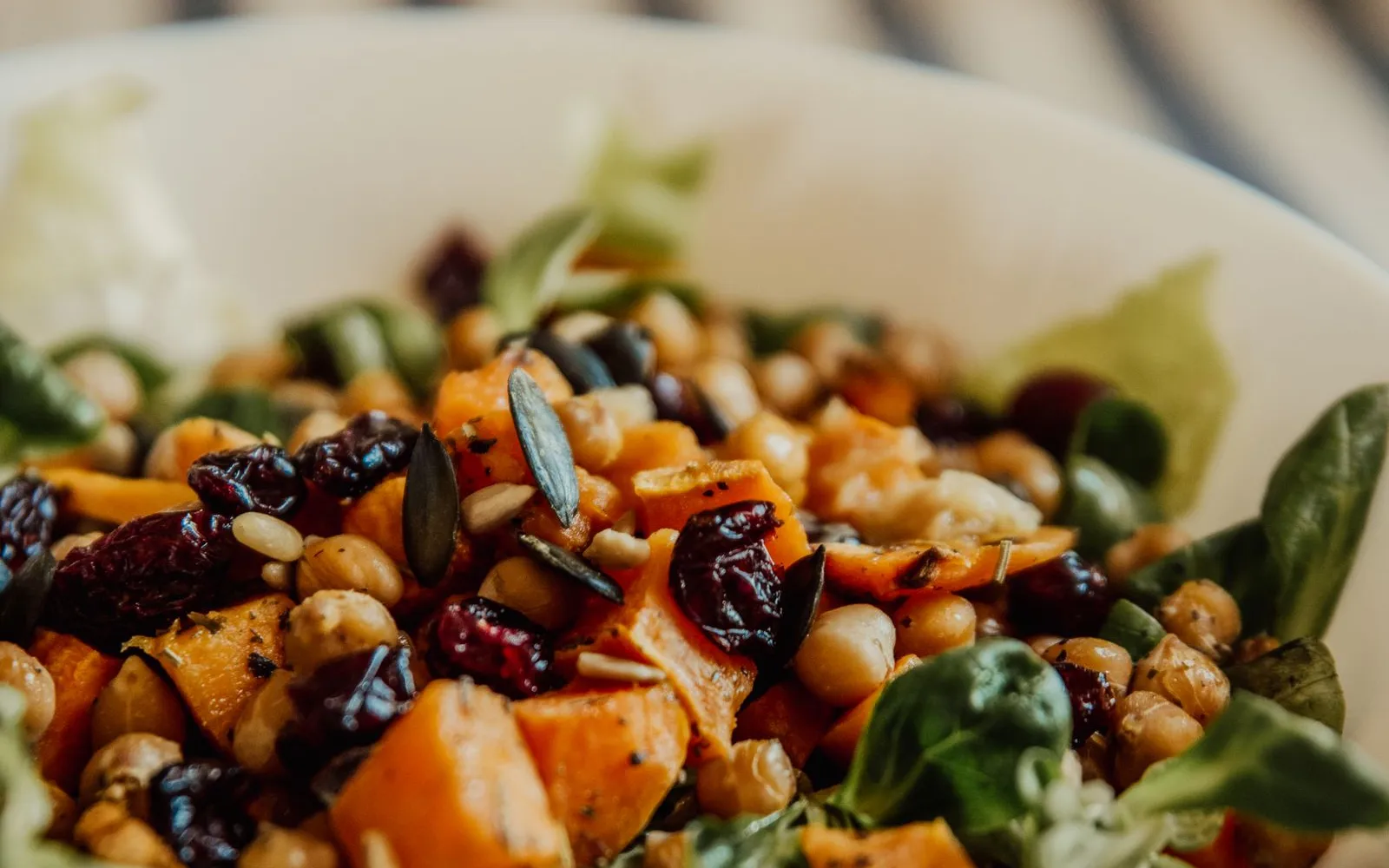
Which foods are high in protein and fibre?
Pulses. Boiled green lentils give 7.8 g of protein and 7.4 g of fibre per 100 g. Chickpeas, kidney beans and broad beans are similar, and broad beans give more of both.
The NHS counts a food as high in fibre at 6 g or more per 100 g. Most pulses pass. Edamame just miss at 5.9 g, but have the most protein of the pulses.
| Food | Protein | Fibre |
|---|---|---|
| Quorn pieces | 14.0 g | 8.3 g |
| Edamame, boiled | 12.2 g | 5.9 g |
| Broad beans, boiled | 9.0 g | 9.0 g |
| Kidney beans, canned, drained | 8.6 g | 6.8 g |
| Chickpeas, canned, drained | 8.4 g | 7.1 g |
| Red lentils, boiled | 8.1 g | 6.3 g |
| Green or brown lentils, boiled | 7.8 g | 7.4 g |
| Wholemeal bread | 9.4 g | 7.0 g |
| Almonds | 21.2 g | 12.5 g |
| Chicken breast, grilled | 32.0 g | 0 g |
| Egg, boiled | 14.1 g | 0 g |
| Greek-style yogurt | 5.7 g | 0 g |
Source: UK food tables (CoFID)
Pick two foods from the top of the list for your next shop. Canned beans and lentils need no soaking.
Are chicken and eggs high in fibre?
No. Chicken, tuna, eggs, Greek yogurt and cottage cheese all list 0 g of fibre in the UK food tables.
So the fix is the plant you pair them with. Keep your chicken and add 120 g of chickpeas. That adds about 8.5 g of fibre.
| Food | Amount for 20 g protein | Fibre you get |
|---|---|---|
| Chicken breast, grilled | 62 g | 0 g |
| Greek-style yogurt | 351 g | 0 g |
| Quorn pieces | 143 g | 11.9 g |
| Edamame, boiled | 164 g | 9.7 g |
| Kidney beans, canned | 233 g | 15.8 g |
| Red lentils, boiled | 247 g | 15.6 g |
| Baked beans (a 400 g can) | 400 g | 19.6 g |
Source: UK food tables (CoFID)
Beans take more grams to match the protein. In return, the kidney bean, lentil and baked bean portions bring over half the 30 g of fibre a day advised for adults.
Want more protein options? See high protein foods and vegan protein sources.
High protein, high fibre meals
Each meal below pairs a protein food with a plant. We worked out the grams from the UK food tables.
| Meal | Protein | Fibre |
|---|---|---|
| Breakfast: 50 g porridge oats, 150 g Greek yogurt, 30 g almonds | 20.4 g | 7.7 g |
| Lunch: 80 g wholemeal toast with 200 g baked beans | 17.5 g | 15.4 g |
| Dinner: 100 g grilled chicken, 120 g chickpeas, 80 g steamed broccoli | 45.4 g | 11.6 g |
| Meat-free dinner: 150 g Quorn pieces and 120 g kidney beans in a chilli | 31.3 g | 20.6 g |
| Snack: 100 g boiled edamame | 12.2 g | 5.9 g |
Source: UK food tables (CoFID)
Have the breakfast, lunch, chicken dinner and snack in one day. That adds up to about 95 g of protein and 41 g of fibre.
The NHS gives another easy one. Wholemeal spaghetti with a lentil and tomato sauce gives around 11 g of fibre.
Start by swapping one meal this week. For cheap swaps, see cheap protein sources.
How much protein and fibre do you need a day?
Fibre is usually the gap. The NHS says adults should have 30 g a day, but most eat about 20 g.
Protein is usually covered. The UK advice is 0.75 g per kg of body weight. That’s about 56 g a day for a 75 kg man and 45 g for a 60 kg woman, and most people already eat more.
- Below 30 gBelow the 30 g advised for adults.
- 30 g or aboveMeets the 30 g advice.
Source: NHS
Six ways to add protein and fibre without the bloat
- Add beans, lentils or chickpeas to stews, curries and salads.
- Put a protein food in each meal, like beans, pulses, fish, eggs or lean meat.
- Pair chicken, fish, eggs or yogurt with a plant, like beans, oats, wholemeal bread or veg.
- Fill about half your plate with veg.
- Add fibre gradually, to help cut bloating, gas and discomfort.
- Drink plenty of fluids. Most adults should aim for 6 to 8 glasses a day.
Sources: NHS: more fibre; NHS: healthy eating; BNF: fibre
Too much too fast can cause bloating, wind, stomach cramps, constipation or diarrhoea. If it does, cut back a little, then build up more slowly.
More detail: how much fibre a day, how much protein a day and high-fibre foods.
Protein and fibre foods for weight loss
They can help you feel full. The NHS says protein in each meal can help you feel full for longer. Most veg are high in fibre and low in calories, and can do the same.
Calories still count. If you regularly have more than your body needs, even from healthy foods, you can gain weight.
Nuts are the catch. For 20 g of protein, almonds cost about 523 calories. Red lentils cost about 252, from the same food tables.
So fill half your plate with veg, then add beans, lentils or lean protein. For more ideas, see high protein, low calorie meals.
When to speak to a GP
Book an appointment if:
- You’re regularly constipated or bloated, or constipation isn’t getting better with treatment. The NHS says see a GP.
- You’re constipated and feel tired all the time.
- You have blood in your poo, tummy pain or sudden changes in how you poo, or you’ve lost weight without trying.
- Bloating, wind or cramps carry on after you cut back and build up slowly. The BNF says speak to your GP or a dietitian.
- You have IBS (irritable bowel syndrome, a long-term gut problem that causes bloating and changes in how you poo) or inflammatory bowel disease (long-term gut inflammation), or kidney disease with high potassium and phosphate. Ask about a dietitian (BDA, NHS).
If you take a medicine that’s causing constipation, such as opioid painkillers, see a GP. Never stop or change a prescribed medicine without your prescriber.