Which vegetables are high in protein?
Edamame, broad beans and peas. An 80 g portion gives about 4 to 10 g of protein. Broccoli gives only about 3 g. It only looks high because it has so few calories.
On this page
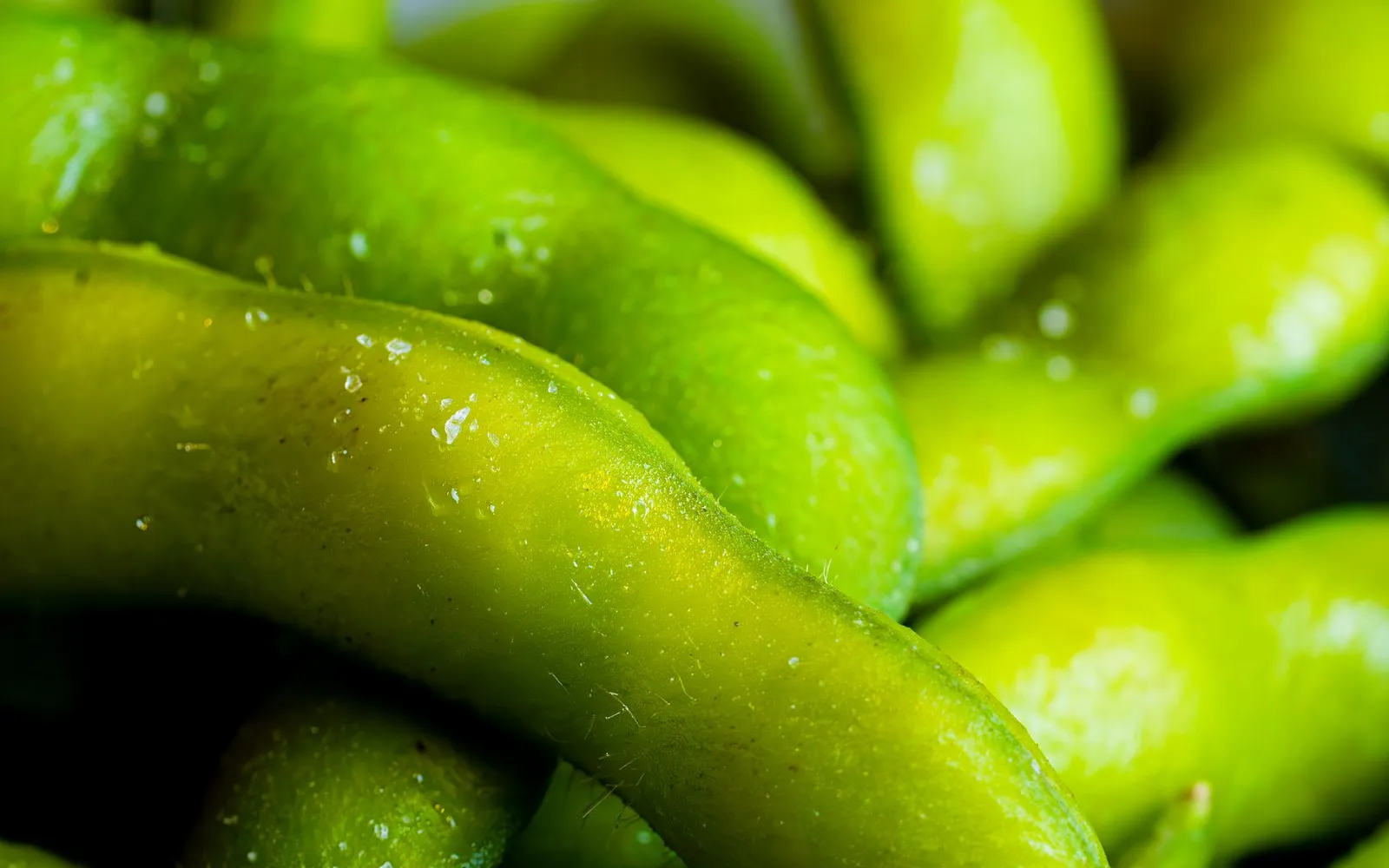
Which vegetables are highest in protein?
Edamame win. These young green soya beans have 12.2 g of protein per 100 g once boiled. Broad beans and peas come next.
The NHS counts one adult portion of veg as 80 g. That’s about 3 heaped tablespoons of peas, or 2 broccoli spears.
| Vegetable (cooked) | Per 100 g | In 80 g |
|---|---|---|
| Edamame, boiled | 12.2 g | 9.8 g |
| Broad beans, boiled | 9.0 g | 7.2 g |
| Fresh peas, boiled | 6.7 g | 5.4 g |
| Frozen peas, boiled | 5.5 g | 4.4 g |
| Broccoli, steamed | 4.1 g | 3.3 g |
| Sweetcorn, on the cob | 3.6 g | 2.9 g |
| Spinach (frozen) or Brussels sprouts, boiled | 3.1 g | 2.5 g |
| Kale, boiled | 2.7 g | 2.2 g |
| Carrots, boiled | 0.6 g | 0.5 g |
Sources: UK food tables (CoFID); NHS
So the gap is big. One bowl of edamame gives about as much protein as three portions of broccoli.
Steam broccoli rather than boil it. The food tables list it at 4.1 g steamed and 3.3 g boiled.
Is broccoli high in protein?
Not per plate. It only looks high because it has so few calories. Per calorie, broccoli beats edamame, but per plate it doesn’t come close.
Steamed broccoli has just 34 calories per 100 g. So a little protein looks like a lot. But you’d need a big pile to get much.
| Food | Protein per 100 calories | To get 10 g of protein |
|---|---|---|
| Spinach, boiled | 14.8 g | About 320 g (4 portions) |
| Broccoli, steamed | 12.1 g | About 245 g (3 portions) |
| Edamame, boiled | 8.6 g | About 80 g (1 portion) |
| Fresh peas, boiled | 8.5 g | About 150 g (2 portions) |
Source: UK food tables (CoFID)
Keep eating broccoli and greens for everything else they bring. Just don’t count on them for your protein.
Which fruits have the most protein?
None have much. Passion fruit is one of the highest fresh fruits in the UK food tables, at 2.6 g per 100 g. Guava, often near the top of online lists, has just 0.8 g here.
| Fruit | Per 100 g | In one portion |
|---|---|---|
| Passion fruit | 2.6 g | 2.1 g in 80 g |
| Avocado | 1.8 g | 1.4 g in 80 g |
| Dried apricots | 4.8 g | 1.4 g in 30 g |
| Banana | 1.2 g | 1.0 g in 80 g |
| Guava | 0.8 g | 0.6 g in 80 g |
Sources: UK food tables (CoFID); NHS
Dried fruit looks higher per 100 g. But a portion is only 30 g, and the NHS says to eat it at mealtimes to protect your teeth.
Eat fruit for fibre and vitamins. Get your protein elsewhere.
Can veg give you enough protein?
Not on its own. UK adults need about 0.75 g per kg of body weight a day. That’s 45 g for a 60 kg woman and 56 g for a 75 kg man.
Sources: UK food tables (CoFID); British Nutrition Foundation
Each bar is 80 g portions, cooked. Asparagus is steamed, at 2.9 g per 100 g.
The rest comes from the main food on your plate. The BDA lists lentils, beans, chickpeas, nuts, seeds, tofu and tempeh, plus eggs and dairy if you eat them.
On average, people in the UK already eat more protein than they need. Work out your own number in how much protein you need a day.
How to get more protein from veg
Six ways to add protein-rich veg this week
- Keep a bag of frozen edamame or peas in the freezer.
- Swap one green side for 80 g of edamame, which gives about 9.8 g of protein.
- Steam broccoli instead of boiling it.
- Stir peas or broad beans into pasta, risotto, soup or curry.
- Add a tin of drained beans, chickpeas or lentils to one meal a day.
- Build each meal on a main protein food, then add veg.
Sources: UK food tables (CoFID); NHS; British Nutrition Foundation
Beans and pulses (but not green beans) count only once towards your 5 A Day, however many you eat. The NHS names soy beans in that rule, and edamame are soya beans. Potatoes don’t count at all.
UK advice is to eat more beans, lentils and peas. They’re a cheap, low-fat source of protein and fibre.
For meal ideas, see high protein vegetarian meals. For tofu, nuts and seeds, see the best plant protein foods.
When to speak to a GP
Beans, lentils, broccoli, sprouts and cabbage can all make you fart more. That’s common. See a GP if:
- Wind is affecting your life, and self-help and a pharmacist haven’t helped. The NHS says see a GP.
- You have a stomach ache or bloating that won’t go away or comes back, or you keep getting constipation or diarrhoea.
- You’ve had blood in your poo.
- You keep losing weight without changing your diet or exercise routine. See a GP as soon as possible if you also have other symptoms.
- You have kidney disease and want to change your diet. If blood tests show high levels of potassium and phosphate, the NHS says you may be referred to a dietitian.
Want more ideas? See high-fibre foods and high protein, low calorie meals.