What is a normal HRV for my age?
There’s no official normal. In a study of 1,906 healthy adults, average HRV was about 40 ms at 25 to 34 and 20 ms at 55 to 64. And higher isn’t always better.
On this page
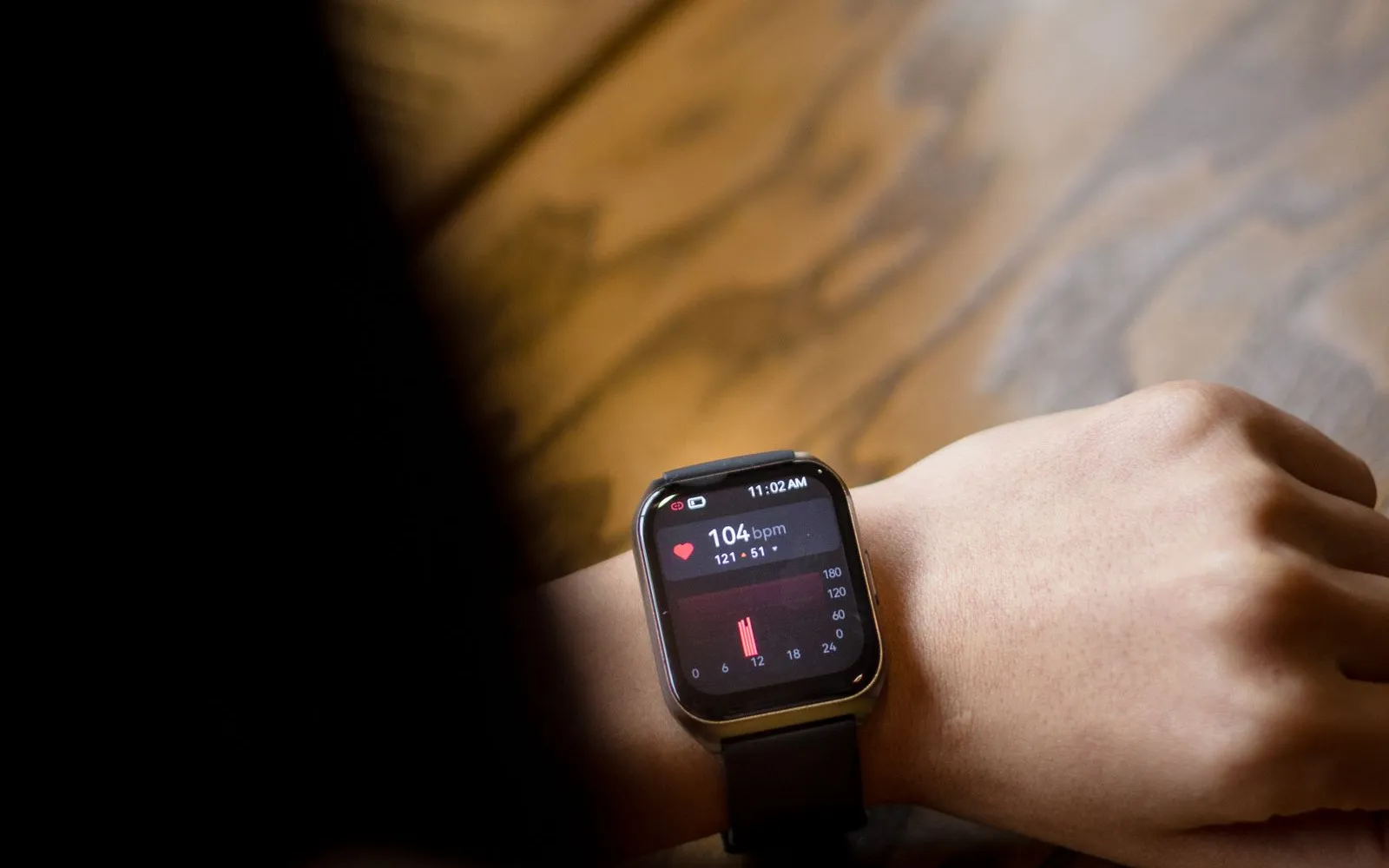
What is a normal HRV by age?
No health body sets one. A review of 44 studies found no normal values for short HRV readings, and large differences between healthy people.
The clearest averages come from 1,906 healthy adults in Germany. Each lay still for 5 to 10 minutes, then had a 5-minute heart trace (ECG). HRV was measured as RMSSD, the change from one beat to the next.
People with high blood pressure, thyroid disease, diabetes, heart disease or an irregular heart rhythm were left out.
| Age | Women (ms) | Men (ms) |
|---|---|---|
| 25 to 34 | 42.9 | 39.7 |
| 35 to 44 | 35.4 | 32.0 |
| 45 to 54 | 26.3 | 23.0 |
| 55 to 64 | 21.4 | 19.9 |
| 65 to 74 | 19.1 | 19.1 |
Source: Voss 2015, KORA S4 study
The spread was wide at every age. Women aged 25 to 34 averaged 42.9, give or take 22.8.
Women and men? No clear difference. In every age group, the gap was too small for the researchers to be sure it was real.
An average describes a crowd. It can’t tell you whether your own number is a problem. Use the table as a rough guide, then check which number your device shows.
What is heart rate variability?
Heart rate variability (HRV) is how much the time between heartbeats changes from one beat to the next. It’s measured in milliseconds (ms).
At 60 beats a minute, the gaps average 1 second. But each gap is a little longer or shorter than the last.
Your heart speeds up a little as you breathe in and slows as you breathe out. As one review puts it, a healthy heart is not a metronome, the clicking timer musicians use to keep a perfectly even beat.
| Name | What it measures | Good to know |
|---|---|---|
| RMSSD | The change from one beat to the next. | The main measure of the nerve that slows your heart (the vagus nerve). |
| SDNN | The overall spread of all the gaps. | Most accurate over 24 hours. Used in heart risk studies. |
Source: Shaffer and Ginsberg 2017
The age table above uses RMSSD. Check which one your app shows before you compare.
Why doesn’t my watch match the chart?
Mostly because it’s measured another way. A review warns that 24-hour, 5-minute and shorter readings are not interchangeable.
The chart came from a 5-minute ECG, lying down. A watch reads your pulse from your wrist, at whatever time it records.
Time of day matters. In a Fitbit-funded study of over 8 million users, HRV rose and fell strongly across the day. The researchers advise measuring at the same time of day, every time.
Trackers are not medical devices, the British Heart Foundation (BHF) says. They can’t replace medical tests or give a diagnosis. More in our guide to how accurate trackers are.
So compare your reading with your own past readings, on the same device, at the same time of day.
Is a high HRV good?
Usually, higher looks better. Eight studies looked at 21,988 people without known heart disease. Low HRV was linked to a 32% to 45% higher risk of a first heart or circulation event.
That’s a link, not proof that low HRV causes it. Those studies used ECG measures such as SDNN, not watch RMSSD.
That’s the catch with a high number: some heart rhythm problems, like an irregular heartbeat called atrial fibrillation (AF), can push HRV up. When they do, it’s strongly linked to a higher risk of death, especially in older people.
An ECG can show whether a problem like AF is behind a high reading.
High HRV and a pulse that feels irregular? Check your pulse by hand, then see the GP list below.
How can I improve my HRV?
Exercise has the best evidence. In 16 trials with 623 healthy adults, exercise training raised RMSSD compared with no training. The authors note there are few trials so far.
In the Fitbit study, people who were more active each day tended to have higher HRV. That’s a link, and the authors say trials are needed to confirm it.
Five ways to read and raise your HRV
- Measure at the same time of day, every time.
- Compare like with like: the same device and the same measure, RMSSD or SDNN.
- Judge a reading against your own past readings, not a chart or a friend’s.
- Build regular exercise into your week. In trials, training raised RMSSD in healthy adults.
- Tell your doctor or nurse if your numbers or trends worry you.
Sources: Fitbit study; Shaffer and Ginsberg 2017; Exercise trials review; BHF
Not sure where to start? Try zone 2 training, steady exercise you can talk through.
Checking often can backfire. The BHF says trackers can increase health anxiety. See how stress affects your heart rate.
When to speak to a GP
No NHS or BHF page gives a warning level for HRV. Go by your pulse and how you feel. See a GP if:
- Your pulse is slow and you feel faint or have fainted, feel very tired, or feel dizzy. That’s the BHF’s advice.
- Your heart beats fast for no obvious reason or when you’re at rest.
- Your pulse feels irregular. It could be a sign of an abnormal heart rhythm such as AF, which is more likely if you’re 65 or older.
- You’ve had palpitations (your heartbeat suddenly feels more noticeable, such as racing, pounding, fluttering or irregular) and feel well, but they keep coming back or happen more often, or last longer than a few minutes. Also if you have a heart condition or heart problems run in your family. That’s NHS advice.
- Your HRV numbers or trends worry you. The BHF says to let your doctor or nurse know.
Call 999 or go to A&E if you have palpitations that don’t go away, or with chest pain, shortness of breath, feeling faint or fainting. Don’t drive yourself to A&E. Ask someone to drive you or call 999 for an ambulance.
If those symptoms have stopped, ask your GP surgery for an urgent appointment or call 111. See also blood tests for palpitations.