Low heart rate (bradycardia): when is a slow pulse normal?
Under 60 is bradycardia. It can be fine if you feel well. But the same 48 can be a fit heart at 30 or ageing wiring at 80. Two clues tell them apart.
On this page
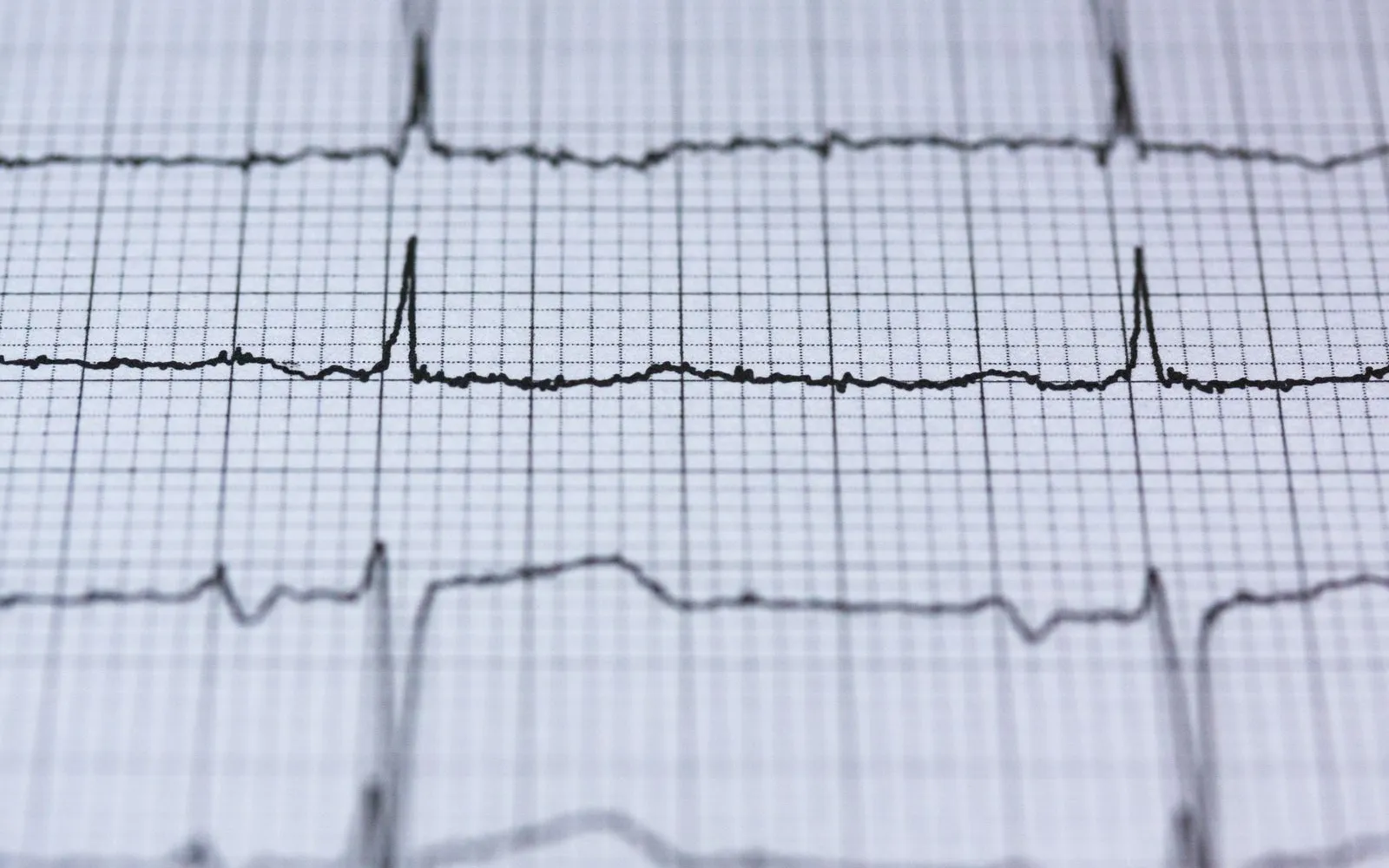
What is bradycardia?
It’s the medical name for a slow heart rate: under 60 beats a minute at rest. A normal resting rate for adults is usually 60 to 100.
The British Heart Foundation (BHF) says under 60 is too slow for most people. But it can be OK if you’re very fit, asleep or taking beta blockers.
- Below 60 bpmBradycardia. Can be fine if you feel well.
- 60 up to 100 bpmUsual resting range for adults.
- Above 100 bpmFast at rest.
Sources: BHF; BHF: checking your pulse
So the number alone can’t tell you much. Those two clues are how you feel and your age.
Check both next. For what a single reading of 45, 50 or 52 means, see low resting heart rate.
What are the symptoms of a low heart rate?
Often none. With heart block, the NHS says you may have no symptoms and only find out during tests for something else.
When a heart rhythm problem, such as a slow heartbeat, causes symptoms, the NHS lists:
- feeling lightheaded, dizzy or like you might faint
- tiredness
- shortness of breath
- chest pain or discomfort
- a pounding, fluttering or skipping heartbeat
The BHF adds feeling tired and sometimes confused.
These symptoms don’t always mean a heart rhythm problem. But a slow pulse with any of them is your first clue to act on. The BHF says see your GP.
Is a low pulse rate of 48 normal in older people?
It can be. But in healthy older people, a very slow rate is uncommon. A US study recorded the heartbeat of 98 healthy, active people aged 60 to 85 for 24 hours.
A very slow heart rate and abnormal pauses were rare.
With age, the wiring that carries each beat can wear. The BHF lists ageing of the electrical pathways as one cause of heart block.
Check the medicine box too. Beta blockers slow your heartbeat.
A US study followed adults aged 45 to 84 without heart disease. In those taking heart rate medicines, a rate under 50 was linked to a higher risk of death. That’s a link, not proof of cause.
Before you see a GP about a slow pulse
- Check your pulse after sitting or lying down for 5 minutes, before caffeine or a cigarette.
- Write down if you feel faint, dizzy, very tired, breathless or confused.
- List every medicine you take, and when you started each one.
- On a beta blocker and feel dizzy? Don’t drive, ride a bike or use machinery until it stops.
- Never stop or change a prescribed medicine without your prescriber.
- Slow pulse and feel faint, dizzy or very tired? Book a GP appointment.
Sources: BHF; NHS: beta blockers
Not sure how to count it? See how to check your pulse.
What causes a low heart rate?
| Cause | What happens | Clue |
|---|---|---|
| Fitness | Can be normal if you’re very fit. | You feel well and train a lot. |
| Sleep | Under 60 can be OK while asleep. | Low at night, normal by day. |
| Medicines | Beta blockers slow the heart. Some medicines can cause heart block. | You take one, such as bisoprolol. |
| Underactive thyroid | Can cause a slow heartbeat. | Tired, cold and gaining weight. |
| Heart block | The signal for each beat is delayed or blocked. | Dizzy, faint, breathless or chest pain. |
| Sinus node problem | The heart’s own pacemaker doesn’t work properly. | Can swing between fast and slow, with dizzy spells. |
Sources: BHF; BHF: heart block; NHS: beta blockers; British Thyroid Foundation; NHS: heart block
Heart block is like a relay race. The top of your heart passes the signal down, but the bottom gets it late or not at all.
A late pass (first-degree) doesn’t usually need treatment. Dropped passes (second and third-degree) more often do. It’s most often caused by a heart condition, such as coronary heart disease or a heart attack.
No UK guidance gives a number that’s too low at night. In one study of healthy young men, slow rhythms at night were common.
A watch can’t diagnose a condition, the BHF says. Judge it by how you feel awake. See sleeping heart rate.
Tired and cold too? Read underactive thyroid symptoms. A GP checks it with a blood test for TSH and T4, two thyroid hormones.
How is bradycardia checked and treated?
What usually happens after you see a GP
- 1
ECG
Stickers on your chest record your heartbeat for a few minutes.
- 2
Portable ECG
Worn for 24 to 48 hours, sometimes up to 7 days.
- 3
Find the cause
Blood tests, a heart scan or a look at your medicines.
- 4
Treat if needed
For heart block, no symptoms usually means no treatment. Severe symptoms may need a pacemaker.
Sources: NHS: heart block; NHS: ECG
If a medicine or an upset in body salts is the cause, doctors stop or change the medicine, or correct the salts. Never stop or change a prescribed medicine without your prescriber.
A pacemaker is a small device under the skin of your chest. Most work just when they’re needed, and they don’t give your heart a shock.
Fitting usually takes about an hour, with medicine to numb your chest. Most people stay one night in hospital. Don’t drive for at least the first week, and tell the DVLA and your insurer.
Before your appointment, write down your symptoms and every medicine you take. It helps your GP choose the right test.
When to speak to a GP
A slow pulse matters most when it comes with symptoms. Book an appointment if:
- Your pulse is slow and you feel faint, dizzy or very tired, or you’ve fainted. The BHF says see your GP.
- Your heart rate is consistently slow, especially if you feel faint or dizzy too.
- You notice a change in your heart rate after starting a medicine.
- You think you may have a heart rhythm problem.
Get help from NHS 111 if you feel dizzy all the time or it keeps coming back, or you’ve fainted. Also if you get short of breath that gets worse with normal activities, or when you lie down.
Call 999 if you’ve been diagnosed with heart block and have chest pain. Also call for severe difficulty breathing (gasping, choking or not able to get words out), or if you feel sweaty, sick or lightheaded.
Call 999 if someone faints and isn’t breathing or can’t be woken within 1 minute. The same goes if they fainted while exercising or lying down, or have chest pain or a pounding, fluttering or irregular heartbeat. Also call if they haven’t fully recovered, have difficulty speaking or moving, have a fit or are badly hurt.
Don’t drive yourself to A&E.
See also dizziness and blood tests and heart palpitations.