Mineral or chemical sunscreen: which is better?
Both work, if the label says SPF 30 and 4 stars. Mineral filters rarely cause allergies. But the filter isn’t where most people lose protection. Using too little is.
On this page
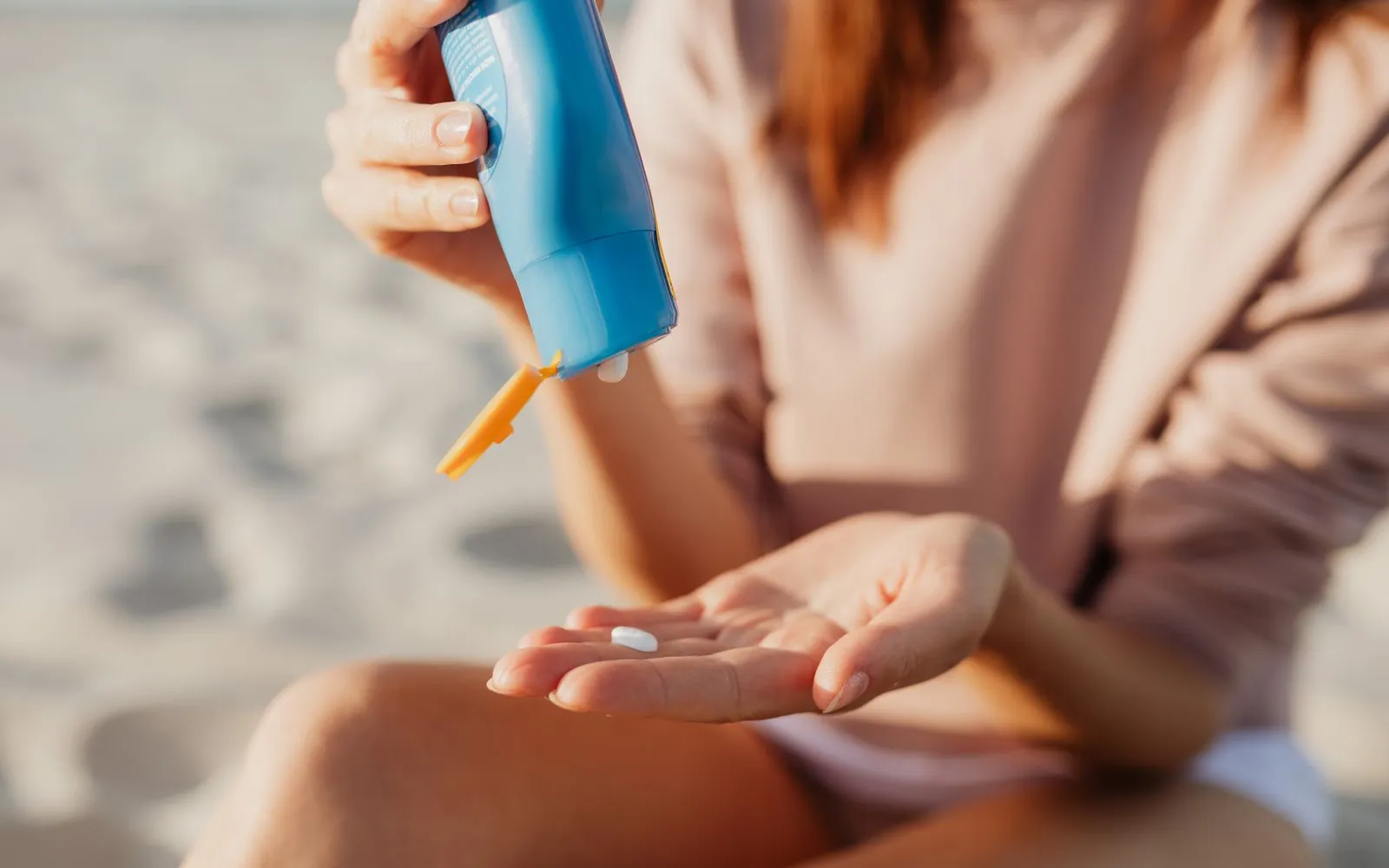
Is mineral sunscreen better than chemical sunscreen?
Not for stopping sunburn. The NHS doesn’t pick a type. It says to choose SPF 30 or more, with at least 4-star UVA protection.
Mineral sunscreen uses zinc oxide or titanium dioxide. Chemical sunscreen uses carbon-based filters, such as avobenzone or octocrylene.
Both kinds mainly work by soaking up UV. Mineral ones also bounce back visible light, so they can look white.
Tinted mineral sunscreens add iron oxide, which helps hide the white cast. Darker tints contain more of it.
Think of the filter as a car’s engine and SPF as its speed test. Two different engines can both pass. So check the rating on the label, not the engine.
| Mineral | Chemical | |
|---|---|---|
| Filters | Zinc oxide, titanium dioxide | Avobenzone, octocrylene, oxybenzone and others |
| On your skin | Can leave a white cast | Goes on almost clear |
| Allergy | The filters don’t cause it. Other ingredients still can. | Uncommon. Most often from oxybenzone. |
| Into the blood | No evidence nano zinc gets through skin | Small amounts do. Not shown to cause harm. |
| US FDA view | Proposed as safe and effective | For the common ones, more data wanted. Not judged unsafe. |
Sources: Skin Health and Disease review; Allergy review; UK law on nano zinc; FDA trial; FDA
Has sunscreen stung or itched before? Try a mineral one with no perfume. Fragrance is the most common cause of allergy to cosmetics.
Is chemical sunscreen safe if it gets into your blood?
In a US trial, 48 adults covered three-quarters of their body in sunscreen. After one coat, all six chemical filters tested passed a set mark in their blood. That mark is 0.5 ng/mL, or half a billionth of a gram in each millilitre.
That isn’t a danger line. It’s the level above which the US regulator (the FDA) may ask for extra safety tests. The researchers said their findings do not mean you should stop using sunscreen.
The FDA proposes zinc oxide and titanium dioxide as safe and effective. For 12 other filters it wants more data, and says this is not a finding that they’re unsafe.
Doctors at an NHS trust, in a 2024 skin journal review, called the chance of harm from absorbed filters negligible.
Still uneasy? A mineral one avoids the question. Either way, keep wearing one.
Is zinc oxide sunscreen safe, and what does nano mean?
Nano means tiny particles. They help zinc go on clearer, but block less visible light.
European safety experts (the SCCS) looked at nano zinc oxide, up to 25%. They found it can be considered not to pose a risk of harm when put on skin. They found no evidence it soaks through.
Sprays are different. The same experts couldn’t call nano zinc safe in sprays that could reach your lungs.
Four checks on any sunscreen label
- 1
SPF
30 or more.
- 2
UVA
At least 4 stars, or UVA in a circle.
- 3
Ingredients
Zinc oxide or titanium dioxide means mineral. (nano) means tiny particles.
- 4
Open jar
The number shows how many months it lasts once opened.
Sources: NHS; UK cosmetics law
UK labels must put “nano” in brackets after any nano ingredient. Spot “zinc oxide (nano)” on a spray? Pick the cream instead.
Do natural, non-toxic or reef safe mean anything?
| Label word | What it really means |
|---|---|
| SPF 30 and 4 stars | What the NHS says to look for: protection from both UVB (burning) and UVA (ageing) rays. |
| Mineral | Zinc oxide or titanium dioxide filters. |
| Organic | Two meanings. Scientists use ‘organic filters’ for carbon-based chemical filters. On a bottle, it can mean organic-farmed ingredients. Neither means it protects better. |
| Natural, non-toxic, chemical-free | Not a safety rating. Zinc oxide is a chemical too. |
| Reef safe | Not proven. Experts want zinc and titanium tested too. |
Sources: NHS; Skin Health and Disease review; National Academies
In 2022, US National Academies experts reviewed 17 sunscreen filters, including zinc oxide and titanium dioxide. Lab results on harm to sea life ranged widely.
They asked for a full risk check of all the filters, starting with shallow reefs where lots of people swim.
They also called SPF 30+ sunscreen that people will actually use a key to health. So near a reef, wear one you like, and cover up with clothing too.
How much sunscreen should you use?
More than you think. This is where most people lose protection. The NHS says most people don’t apply enough, and a thin layer gives less protection.
An adult needs around 6 to 8 teaspoons to cover the whole body. That’s true for mineral and chemical alike.
Your sunscreen checklist
- Pick SPF 30 or more, with at least 4-star UVA protection.
- Use around 6 to 8 teaspoons to cover an adult’s whole body.
- Put it on 30 minutes before you go out, then again just before.
- Reapply every 2 hours, and straight after swimming, towel drying or sweating.
- Stay in the shade from 11am to 3pm, March to October.
- Cover up with clothes, a wide-brimmed hat and sunglasses.
Source: NHS: sunscreen and sun safety
The NHS also says to strike a balance with getting enough vitamin D from sunlight. See vitamin D deficiency.
For what daily use does for your face, see sunscreen and skin ageing and skincare for ageing skin.
When to speak to a GP
See a GP if:
- Your skin gets itchy, blistered, dry or cracked after a product, and it keeps coming back or is severe. The NHS calls this contact dermatitis.
- A mole has changed size, shape or colour.
- A mole is painful, itchy, inflamed, bleeding or crusty.
- A new or unusual mark on your skin hasn’t gone away after a few weeks.
After time in the sun, ask for an urgent GP appointment or call 111 if your skin is blistered or swollen. Do the same if a baby or young child has sunburn, if your temperature is very high, or if you feel hot, cold or shivery. Very tired, dizzy, sick, a headache or muscle cramps count too.