What should an Olympic weightlifting program look like?
Three days a week: snatch, jerk, then clean and jerk. Each day adds a pull or press and a squat. But if you can’t do the lifts yet, this plan comes second.
On this page
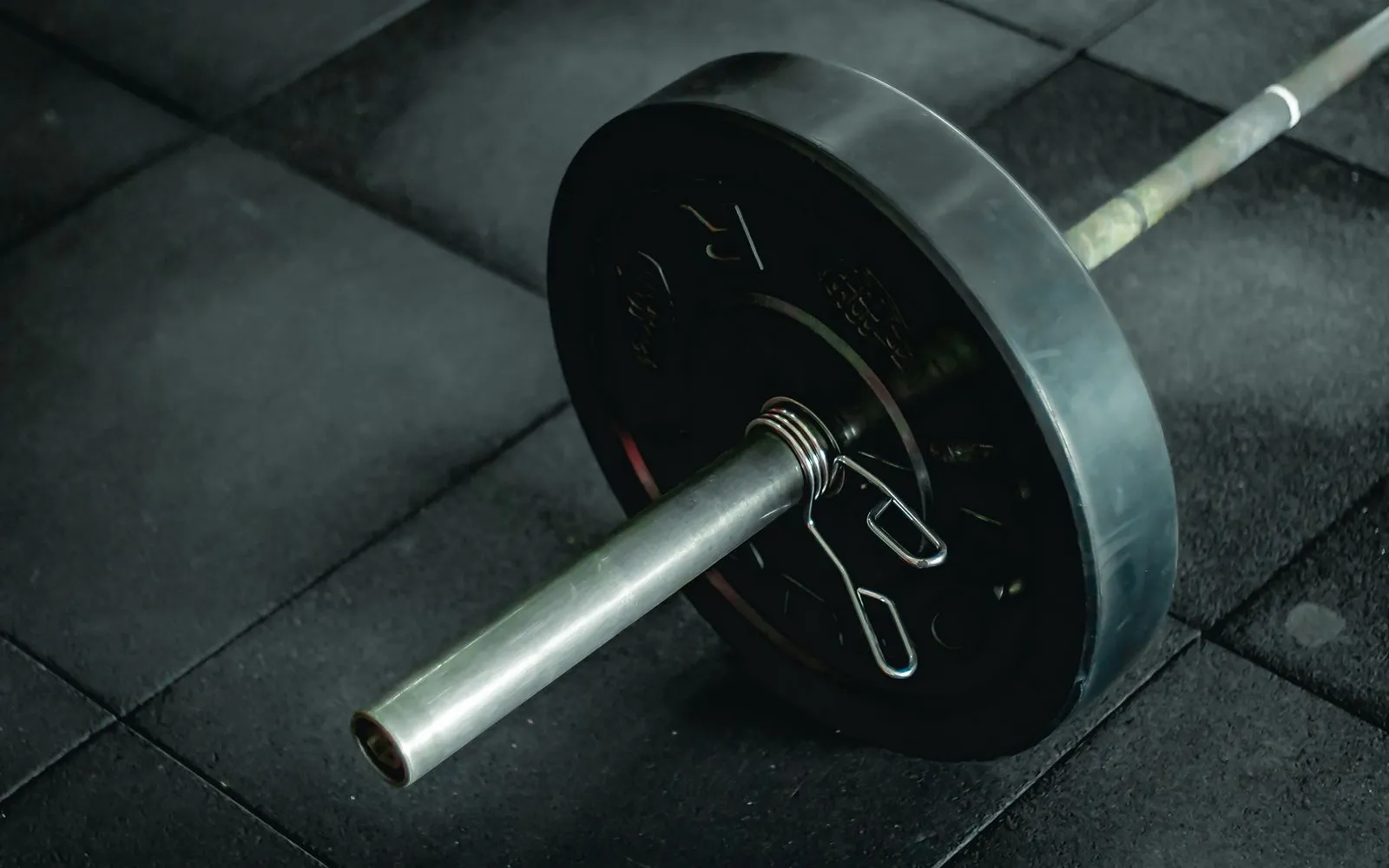
What does an Olympic weightlifting program look like?
The sport has two lifts. The snatch takes the bar from the floor to overhead in one move. The clean and jerk lifts it to your shoulders, then overhead.
So a simple week trains each part. Greg Everett, who has coached national champions at Catalyst Athletics, gives beginners three days like this:
| Day | Main lift | Then |
|---|---|---|
| Day 1 | Snatch | Snatch pull, then front squat |
| Day 2 | Jerk | Push press, then overhead squat |
| Day 3 | Clean and jerk | Clean pull, then back squat |
Source: Greg Everett, Catalyst Athletics
A push press uses a small knee dip to drive the bar overhead. A pull is the lift without the catch. You drive the bar up hard, then lower it. You get the pulling practice without catching the bar.
Leave a rest day between sessions, say Monday, Wednesday and Friday. That also meets the NHS advice to strengthen your muscles on at least 2 days a week.
What if I can’t do the lifts yet?
Then learning them is your first program. The snatch and the clean are fast and technical, so they take practice before load.
How beginners usually learn the lifts
- 1
Find a coach
A British Weight Lifting club has qualified coaches.
- 2
Learn in steps
The basics first, then build towards the full lifts.
- 3
Use easier versions
Hang lifts start at the thighs. Power lifts catch the bar higher.
- 4
Then the 3-day week
Swap back to the full lifts as they feel solid.
Sources: British Weight Lifting; Greg Everett
Everett’s own learning course runs 11 weeks, with 3 sessions a week, and you can go faster or slower. He calls it skill practice, not heavy lifting.
No club nearby? British Weight Lifting has an online beginner course that builds from the basics to the full lifts. Then join a club when you can, so a coach can watch you.
How heavy, and how many reps?
Start light, then build for a few weeks. Everett suggests 3 to 4 weeks of building, with fewer reps as the bar gets heavier.
| Week | Snatch and clean and jerk | Weight |
|---|---|---|
| Week 1 | Sets of 3 | Fairly light |
| Week 2 | Sets of 2 | Add 5 to 10% |
| Week 3 | Singles | Add 5 to 10% |
| Week 4 (optional) | Singles | Keep building if the lifts feel solid |
| Easy week | Repeat week 1 | 5 to 10% lighter than week 1 |
Sources: Greg Everett: 3-day program; Greg Everett: starter program
Squats get more reps. As a start, Everett suggests 3 to 5 sets of 3 front squats and 3 to 5 sets of 5 back squats.
Pick weights by feel. Missed a weight? Everett’s general rule is no more than 3 misses at one weight.
Why so few reps? A large review found power improved with moderate loads, low to moderate volume and Olympic-style lifting. For how to keep adding weight after that, see progressive overload.
Is Olympic lifting safe?
A review found 2.4 to 3.3 injuries per 1,000 hours of weightlifting training. That’s similar to other strength sports and low next to contact sports. Most studies were of competitive lifters, and most were low quality.
The knee, lower back, shoulder and hands or fingers were hurt most. So warm up well before you lift, and ease off if one of those areas hurts. See warm-up stretches, hip mobility and shoulder exercises.
Leaking pee when you lift is common, not something to ignore. In the same review, about half of women in weightlifting and powerlifting had pelvic floor problems (the muscles that hold your bladder and bowel in place), such as leaking, against 9.3% of men. The NHS says to see a GP about any leaking. They may suggest pelvic floor exercises.
How to start Olympic lifting this week
Your first week of Olympic lifting
- Find a British Weight Lifting club and ask for a beginner session.
- If you can’t snatch or clean yet, learn the lifts first, using hang and power versions.
- Book three days with a rest day between, such as Monday, Wednesday and Friday.
- Do one main lift each day, then a pull or press, then a squat.
- Start week 1 light, with sets of 3, and add 5 to 10% a week for 3 to 4 weeks.
- Take an easy week after the build: repeat week 1, 5 to 10% lighter.
Sources: British Weight Lifting; Greg Everett; NHS
Sore the next day? Our guide to soreness and progress explains what it does and doesn’t tell you.
Want to compete one day? You get three tries at each lift, and your total is your best snatch plus your best clean and jerk. At many entry-level (Tier 3) events, shorts and a T-shirt are fine.
When to speak to a GP
The NHS says to speak to your GP first if you haven’t exercised for some time, or have medical conditions or concerns. Also book an appointment if:
- Back pain hasn’t improved after a few weeks of treating it at home, or it stops your day-to-day activities. NHS: back pain.
- Back pain is worse at night, doesn’t ease with rest, or is worse when you sneeze, cough or poo. Or you’ve lost weight without trying, there’s a lump or swelling in your back, or your back has changed shape. Or the pain is in the top of your back (between your shoulders).
- You leak pee when you lift, cough or laugh. The NHS says to see a GP about any leaking.
- You have back pain and feel hot, cold, shivery or generally unwell, or the pain is severe, sudden or getting worse quickly. Ask for an urgent appointment or call 111.
Call 999 or go to A&E if you have back pain with pain, tingling, weakness or numbness in both legs, or loss of feeling around your genitals or anus.
The same goes for back pain with bladder or bowel changes, such as trouble peeing, or peeing or pooing yourself. Or changes in how your penis or vagina feels during sex, or not being able to get or keep an erection or to orgasm. Or chest pain, or pain that started after a serious accident.
In many areas you can refer yourself to NHS physiotherapy without seeing a GP.