Should I take omega-3 in pregnancy?
Food first, and no cod liver oil. It has vitamin A, which can harm your baby. Plain fish oil is optional. But a review of 70 trials found omega-3 may cut early births.
On this page
Should I take omega-3 in pregnancy?
You don’t have to. The NHS recommends folic acid and vitamin D in pregnancy. Omega-3 isn’t on that list.
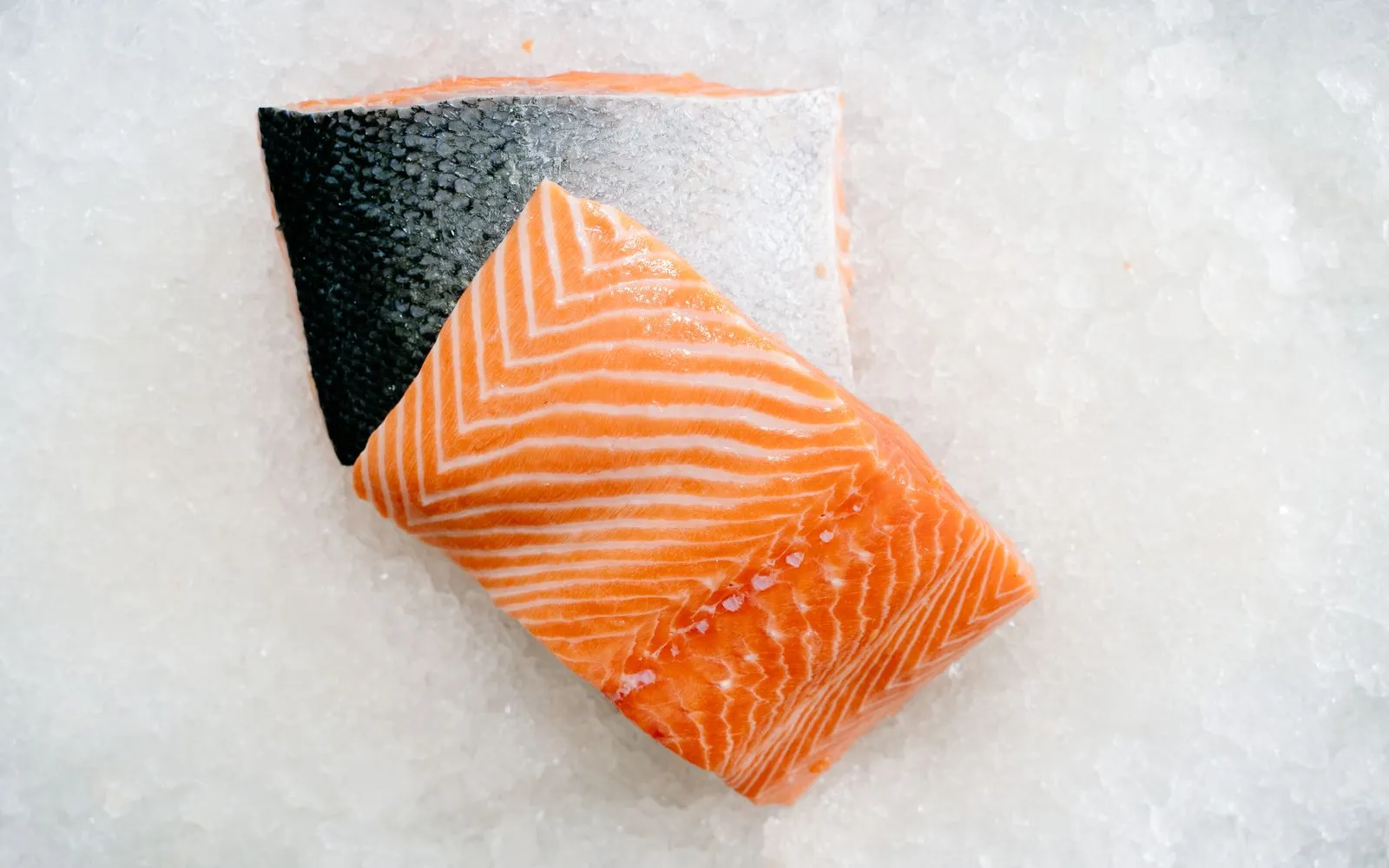
For omega-3, the NHS says try to eat 2 portions of fish a week, and make 1 of them oily, like salmon, sardines or mackerel.
| Food or supplement | NHS advice | Why |
|---|---|---|
| Oily fish: salmon, trout, mackerel, sardines, herring | No more than 2 portions a week, around 140g each | The richest source of omega-3. Too much can mean too many pollutants. |
| Tuna | No more than 4 cans or 2 steaks a week | More mercury than other fish. |
| Shark, swordfish, marlin | Don’t eat | Mercury can harm your baby’s nervous system. |
| Cod liver oil and other fish liver oils | Don’t take | High in vitamin A, which can harm your baby. |
| Any supplement with vitamin A or retinol | Don’t take | Same reason. Always check the label. |
Sources: NHS: supplements in pregnancy; NHS: foods to avoid; NHS: fish
Trying for a baby? The same fish limits apply. The NHS also says avoid fish liver oil while trying, unless your GP advises otherwise.
Start with folic acid, then plan your fish for the week.
Is cod liver oil or fish oil safe in pregnancy?
Cod liver oil, no. Fish store vitamin A in their livers, so fish liver oils are high in it. The NHS says too much vitamin A can harm your baby’s development.
Plain fish oil is a different product. It isn’t on the NHS list of supplements to avoid, but it isn’t on the list to take either. See cod liver oil vs fish oil.
Some capsules and multivitamins still add vitamin A. So check every label for vitamin A or its other name, retinol.
No fish? The NHS says algae oils give DHA without fish. Pick one with no vitamin A that suits pregnancy, and see vegan omega-3.
The UK sets no daily amount of omega-3. For adults who choose a capsule, the BHF suggests roughly 450mg a day, about what the advised fish gives you. That’s adult advice, not a pregnancy dose.
On medicines that affect how your blood clots? The BHF says talk to your doctor first. Never stop or change a prescribed medicine without your prescriber.
Does DHA in pregnancy help my baby?
DHA is one type of omega-3. The NHS says it’s important for your baby’s brain and eyes to develop normally.
Does getting more help? Those 70 trials are a Cochrane review of almost 20,000 women. Extra omega-3, from capsules or food, may cut early births.
Source: Cochrane
So the drop is small. Very early births, before 34 weeks, fell from 4.6 to 2.7 in 100. Babies with a low birthweight (under 2.5kg) fell from 15.6 to 14 in 100.
The catch: more pregnancies probably ran past 42 weeks, 2.6 in 100 instead of 1.6.
Brainier babies? The trials found very few differences in IQ, eyesight or growth, mostly from weak evidence.
Ask your midwife whether a supplement makes sense for you.
How much oily fish can I eat when pregnant?
Up to 2 portions a week. A portion is around 140g.
- Below 1 a weekBelow the NHS aim of 1 oily portion.
- 1 up to 2 a weekIn line with NHS advice.
- Above 2 a weekOver the NHS limit for pregnancy.
Sources: NHS: diet in pregnancy; NHS: fish
Why a limit? Pollutants in oily fish may build up in your body and affect how a baby develops in the womb.
Tuna doesn’t count as oily fish. So a tuna sandwich doesn’t use up your 2 oily portions, as long as you stay within the tuna limit.
Walnuts, chia, flax and rapeseed oil give a plant omega-3 called ALA. Your body turns only a small amount of it into DHA. For meal ideas, see omega-3 foods.
Does omega-3 help fertility?
It might, but it’s not proven. A US study followed 900 women aged 30 to 44 who had been trying for under 3 months. Those taking omega-3 were 1.51 times as likely to conceive each cycle.
But it wasn’t a trial. The women taking it may have been more health-conscious in other ways.
A 2024 review also linked omega-3 to more pregnancies. Its studies varied a lot, and the authors call for more trials.
What the NHS does recommend while trying: folic acid, vitamin D, no smoking, no alcohol and a healthy weight.
Your omega-3 checklist for trying and pregnancy
- Take 400 micrograms of folic acid a day, ideally from 3 months before trying until 12 weeks pregnant.
- Skip cod liver oil and other fish liver oils, unless your GP advises otherwise.
- Check every supplement label for vitamin A or retinol.
- Have no more than 2 portions of oily fish a week, around 140g each.
- Don’t eat shark, swordfish or marlin, and keep tuna to 4 cans or 2 steaks a week.
- If you choose a capsule, pick one with no vitamin A that says it suits pregnancy.
Sources: NHS: supplements in pregnancy; NHS: fish
Want to check the basics first? See fertility blood tests and male fertility tests.
When to speak to a GP
Book an appointment if:
- You’ve been trying for 1 year or more. Go sooner if you’re 36 or over, or you know you may have a fertility problem.
- You or your partner take a prescribed or over-the-counter medicine or a herbal remedy, and you want to get pregnant.
- You or your partner live with a condition such as epilepsy, diabetes, sickle cell disease or HIV.
- You take a medicine that affects how your blood clots and want a fish oil.
- You’re worried about something you’ve eaten or taken in pregnancy. Talk to your midwife or a GP.
Pregnant and you feel unwell after food or drink you should avoid? Get help from 111. Also call after more than 48 hours of vomiting and diarrhoea, or with signs of listeriosis or toxoplasmosis (infections you can catch from food).