Prebiotics vs probiotics: what’s the difference?
Prebiotics feed your gut bacteria. Probiotics are the bacteria. You can get prebiotics from food like onions, oats and bananas. Add a lot at once, though, and you may notice wind.
On this page
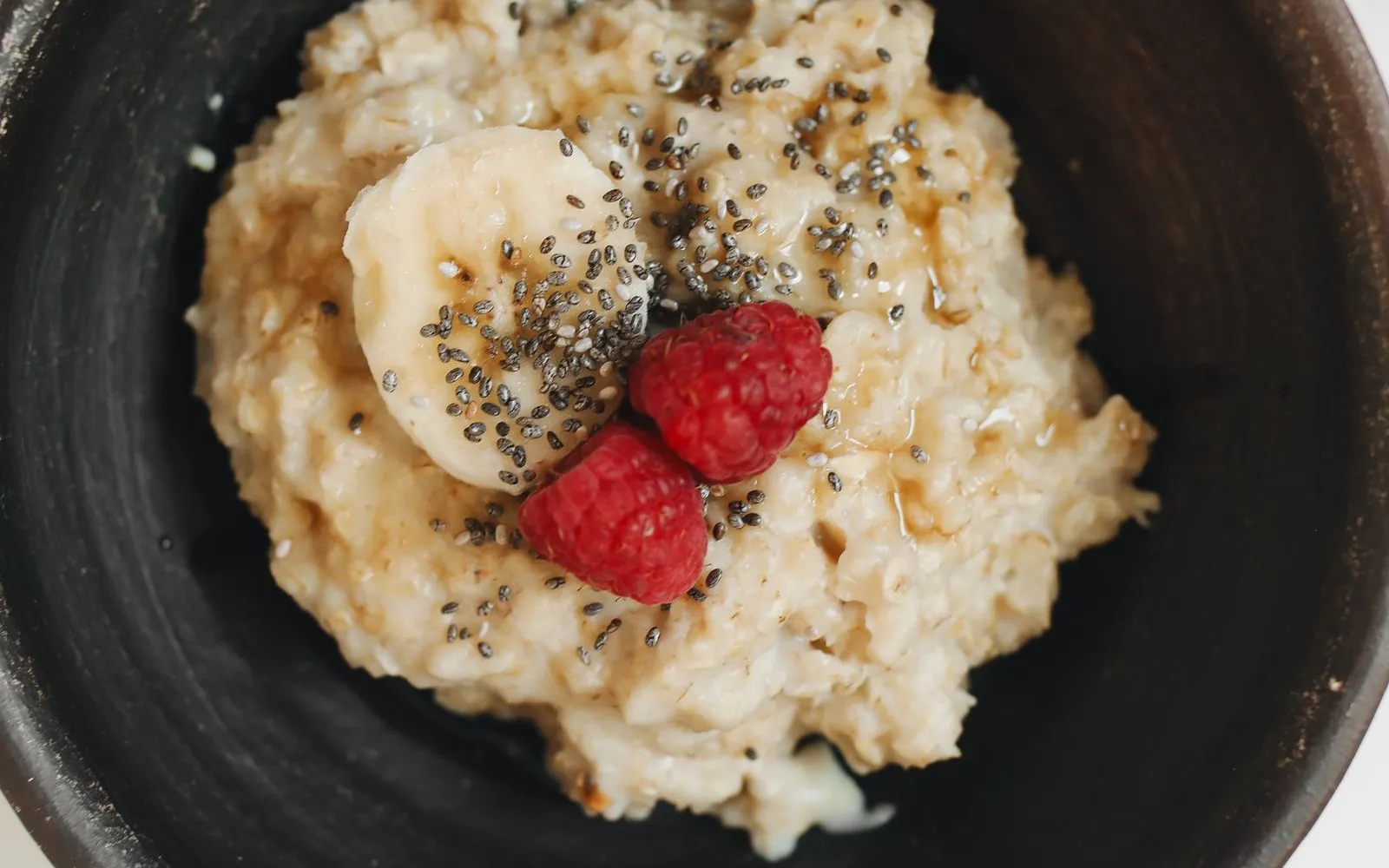
What’s the difference between prebiotics and probiotics?
Prebiotics are types of fibre. They provide food for the good bacteria already living in your gut. Probiotics are live bacteria and yeasts that you eat or swallow.
The British Dietetic Association (BDA) says prebiotics are like fertiliser for your gut microbes. Probiotics are like new seeds, and not all of them take. Some are killed by stomach acid before they reach your gut.
| Word | What it is | Everyday example |
|---|---|---|
| Prebiotic | Food that your own gut bacteria use, with a health benefit. | Onions, oats, bananas, inulin. |
| Probiotic | Live microbes that give a health benefit in the right amount. | Some yoghurts with live cultures. |
| Synbiotic | Live microbes plus something that feeds them. | A capsule with both in it. |
| Postbiotic | Microbes that are no longer alive, or parts of them, with a health benefit. | A word now on more product labels. |
Sources: BNF; ISAPP prebiotics; ISAPP probiotics; ISAPP synbiotics; ISAPP postbiotics
So which do you need first? Start with food. The prebiotics are likely already on your shopping list.
Which foods are natural prebiotics?
| Food group | Prebiotic foods |
|---|---|
| Vegetables | Onions, garlic, leeks, artichokes, chicory root, asparagus |
| Fruit | Bananas, apples, berries |
| Grains | Wheat, oats |
| Pulses | Beans, lentils, chickpeas |
Source: BNF
All of these count toward your fibre. UK guidelines say adults should aim for 30g of fibre a day. Most of us eat about 20g.
Want ideas to close that 10g gap? See how much fibre you need a day and easy high-fibre foods.
Six easy ways to eat more prebiotic foods
- Top porridge with banana, berries or chopped apple.
- Add onions, garlic or leeks to soups, sauces and stews.
- Use lentils instead of some of the mince in Bolognese, chilli or cottage pie.
- Stir canned beans or lentils into soup.
- Pick yoghurt that says “contains live or active cultures” if you want a probiotic food too.
- If you have IBS, keep a diary of what you eat and any symptoms you get.
Do I need a prebiotic or probiotic supplement?
Probably not a probiotic, if you’re healthy. The BDA says that if you’re healthy, a probiotic supplement is unlikely to help. Prebiotics have had fewer studies than probiotics, and it says more research is needed.
Looking for the best probiotic? The NHS says little is known about which types are best.
Probiotics are sold as food, not medicine. So you can’t always be sure a pack has the bacteria it says, or enough to have an effect.
Four checks before you buy a gut supplement
- 1
Find the fibre
Prebiotics show up as inulin, chicory fibre, FOS or GOS.
- 2
Check the dose
A food can say chicory inulin helps you poo more often only if it gives at least 12 g a day.
- 3
Ask first
Health condition or weak immune system? Talk to a doctor before a probiotic.
- 4
Give it time
IBS and want to try a probiotic? NICE says take it for at least 4 weeks and watch how you feel.
On antibiotics? NICE says not to advise taking prebiotics or probiotics to prevent C. difficile, a gut infection that causes diarrhoea. Never stop or change a prescribed medicine without your prescriber.
More on this in do probiotics work? and probiotics with antibiotics.
Why do prebiotics cause wind?
That’s the catch from the top of the page. Many prebiotic foods are also foods that can make you fart.
The NHS lists beans, lentils and onions as foods that can make you fart. In one small trial of 26 healthy adults, inulin fibres tended to cause mild symptoms. Wind was the most common, then bloating.
Dose mattered for these healthy adults, who had each dose with one breakfast. Up to 10 g of inulin and up to 5 g of oligofructose, another prebiotic, were well tolerated. But 10 g of oligofructose caused clearly more symptoms than a dummy breakfast with no added fibre.
Have IBS? The NHS suggests eating oats regularly and avoiding beans and onions to ease bloating, cramps and farting.
So some prebiotic foods may suit you less, and a diet diary can help you spot which. See probiotics for bloating.
What are synbiotics and postbiotics?
A synbiotic is live microbes plus something they feed on. Think seeds sold with their fertiliser. A capsule with a probiotic and a prebiotic in it is one kind.
A postbiotic is made from microbes that are no longer alive, or parts of them. It’s the newest word of the four. Before experts defined it in 2021, people used it in different ways.
Under these expert definitions, each one needs a health benefit shown in studies. A word on the pack does not show that. The same label checks apply, so ask which microbes and fibres it holds, and how much.
Kefir and kombucha are fermented too, but the BDA says they are not considered probiotics, for lack of evidence. See fermented foods and gut health.
When to speak to a GP
See a GP if:
- Farting is affecting your life, and self-help and pharmacy treatments have not worked.
- You have a stomach ache or bloating that won’t go away or keeps coming back.
- You keep getting constipation or diarrhoea, or you’ve lost weight without trying.
- You’ve had blood in your poo, or your poo has changed in a way that’s not usual for you.
- You have a health condition or a weakened immune system and want to try a probiotic supplement.
Ask for an urgent GP appointment or call 111 if your poo is black or dark red, or you have bloody diarrhoea.
Call 999 or go to A&E if you’re bleeding non-stop from your bottom, or there’s a lot of blood or large clots when you poo.