Retinol for beginners: how to start
Start with the lowest strength you can find, every other night. But on sensitive skin, ask first whether to start at all. One kind of red face needs a different treatment.
On this page
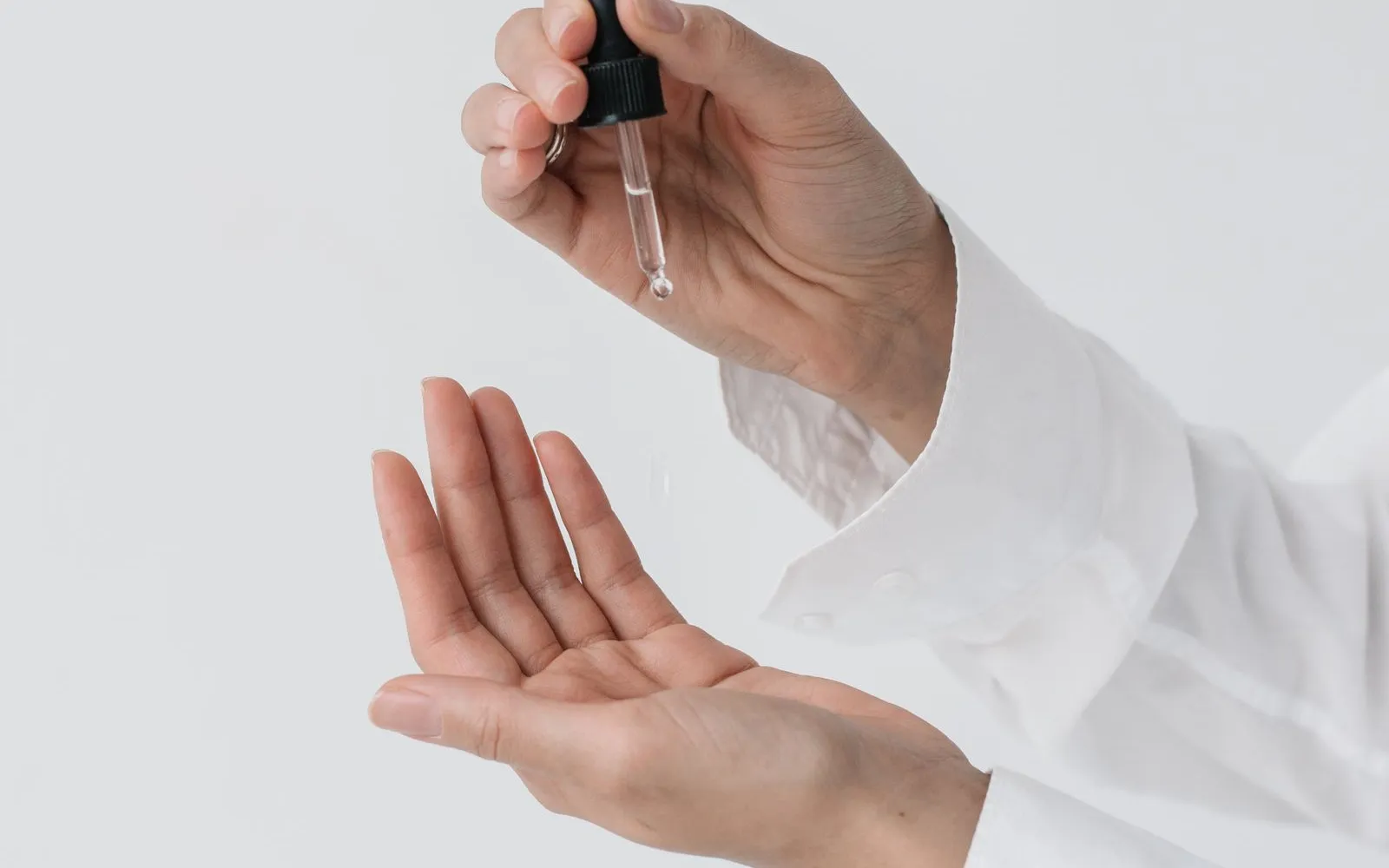
What is the best retinol for beginners?
The weakest one you can find. A skin doctor quoted by the American Academy of Dermatology (AAD) puts it simply. Use the least intense formula, every other night at first, and build up slowly.
No expert source names a best brand for beginners. So check two things on the label: which kind of vitamin A it uses, and how strong it is.
Retinoids are the family of vitamin A skin products. Retinol is the gentlest one you can buy in shops.
| On the label | What it is |
|---|---|
| Retinyl palmitate or retinyl acetate | Changed into retinol in the skin first. Does less for wrinkles than retinol. |
| Retinol | The usual first step. Sold in shops. |
| Retinal (retinaldehyde) | One step closer to retinoic acid, the form that works in the skin. Sold in shops. |
| Tretinoin or adapalene | Retinoid medicines. Only on prescription from a GP or skin specialist. |
Sources: Zasada and Budzisz review; DermNet; NHS
Strength isn’t always printed. In the US, the AAD says there’s no rule that the percentage must be on the label. A review found shop products range from 0.0015% to 0.3% retinol.
Serum or cream? DermNet, a site written by skin doctors, says creams are the least irritating form of retinoid. So if your skin is sensitive, a cream may be the gentler pick.
Already on a prescribed skin medicine? Ask before you add retinol. Never stop or change a prescribed medicine without your prescriber.
How do I start using retinol?
Four steps to start retinol gently
- 1
Patch test
Twice a day on your inner arm for 7 to 10 days.
- 2
Every other night
At night only. Keep it away from your eyes and lips.
- 3
Build up slowly
Add more nights bit by bit, as your skin allows.
- 4
Sunscreen every day
SPF 30 or more with 4-star UVA, plus shade and a hat.
Sources: AAD; AAD: testing products; DermNet; NHS
Treat it like new walking boots. Short wears first, or you get blisters.
With retinol, rushing ends up irritating your skin, the AAD says.
Retinoids can make skin more sensitive to the sun. That’s why it goes on at night, and sunscreen goes on every morning.
How long until it works? Think months.
In one trial, 0.1% retinol on the face did better than a plain cream at every check over a year. Some of its authors worked for the maker.
An older trial in people in their 80s used retinol on their arms for 24 weeks, and fine wrinkles improved.
For what the trials found, see our retinol and tretinoin evidence guide.
Is retinol OK for sensitive skin?
It depends on why your skin is sensitive.
Is your face often red? Does water or skincare make it burn or sting? Those can be early signs of rosacea.
That red face is the one that needs a different treatment. The AAD says people with a lot of redness should avoid retinoids and ask about rosacea treatment instead.
| Your skin | What the experts say |
|---|---|
| Often red, or burns or stings with skincare | Could be rosacea. See a GP before you try a retinoid. |
| Dry, or you have skin allergies | Probably not a good fit for a retinoid, says the AAD. |
| Eczema | Retinoids can make it worse because they dry the skin. |
| Darker skin tone | Go slowly and use a moisturiser. Irritation can leave dark marks. |
| Pregnant or planning a pregnancy | Don’t use retinoids in pregnancy. If you’re planning one, the MHRA says to avoid retinoid skin medicines. |
Darker skin? Irritation can trigger dark marks. The AAD says starting slowly and using a moisturiser helps cut that risk.
Pregnant? The AAD says retinoids should not be used in pregnancy. The MHRA, the UK medicines regulator, says not to use retinoid skin medicines if you’re planning a pregnancy either.
What if retinol irritates my skin?
Some redness, peeling and dry skin is a known side effect. DermNet calls it retinoid dermatitis. The AAD says retinol irritation is normal and temporary, mainly on sensitive skin.
DermNet says a moisturiser and sunscreen every day protect against the dryness and sun sensitivity.
If your patch test goes red, itchy or swollen, the AAD says stop. Wash it off and don’t use it again. A cool compress or petroleum jelly can soothe it.
Six rules for your first retinol
- Patch test on your inner arm, twice a day, for 7 to 10 days.
- Start with the lowest strength you can find, every other night.
- Use it at night only, and keep it away from your eyes and lips.
- Wear SPF 30 or more with 4-star UVA every day, plus shade and a hat.
- Use a moisturiser, especially if you have darker skin.
- If a patch test goes red, itchy or swollen, wash it off and don’t use it again.
Sources: AAD; AAD: testing products; DermNet; NHS
For the rest of your routine, see skincare for ageing skin and sunscreen and skin ageing.
When to speak to a GP
Mild irritation troubling you? A pharmacist can suggest a moisturiser. See a GP if:
- Your face goes red and it comes and goes, or water or skincare makes it burn or sting. These can be signs of rosacea.
- Your skin stays itchy, blistered, dry or cracked, or the reaction keeps coming back or is severe. The NHS says see a GP.
- You have moderate or severe acne scars, or acne linked to periods or hormone changes such as extra hair growth. The AAD says see a specialist first.
- You want a stronger retinoid. Tretinoin and adapalene are prescription medicines.
Have rosacea and your eye is painful, red or gritty, your vision is blurred or light hurts? Ask for an urgent GP appointment or call 111.