Teeth whitening: dentist or home kit?
A dentist, for a real colour change. Shop kits usually don’t change your natural colour much. And the laser matters less than it sounds: in 21 trials, the light didn’t seem to improve the result.
On this page
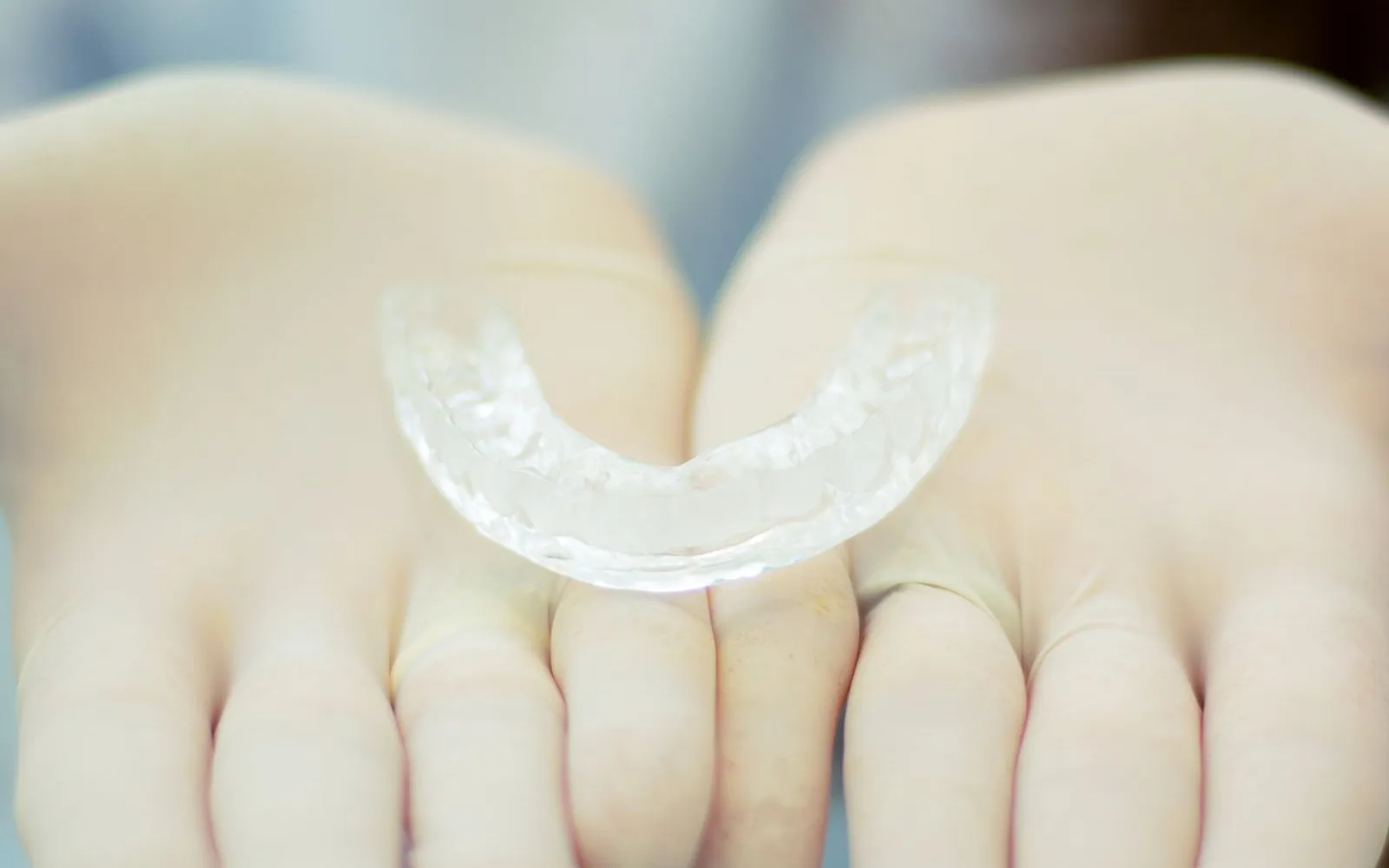
What is the best way to whiten teeth?
Through your dental team. The Oral Health Foundation calls it the safest and most effective way.
Your dentist checks your teeth and gums are healthy first. Then you either wear gel in trays at home, or have it done at the surgery.
| Option | What it involves | What to expect |
|---|---|---|
| Dentist trays at home | Gel in trays made to fit your teeth. | Worn at home for around 2 to 6 weeks. |
| Laser at a dental surgery | Gel on your teeth, then a laser. | Usually 1 appointment of around 1 to 2 hours. |
| Shop strips, gels and paint-ons | By law, less than 0.1% hydrogen peroxide (the bleach that whitens teeth). | May lift some surface stains. Usually little change to natural colour. |
| Beauty salon | No registered dental professional. | Not allowed. Can permanently damage teeth and gums. |
Sources: NHS; Oral Health Foundation; General Dental Council
Whitening only lightens natural teeth. It won’t work on fillings, crowns or veneers. The NHS doesn’t recommend it if you have crowns, dentures or implants.
Got any at the front? Ask your dentist if they’ll still match.
How much does teeth whitening cost in the UK?
You can’t get it on the NHS, so you pay privately at a dental surgery.
The latest fee survey we found is from 2016. Dental practices that took part charged an average of £272 for tray whitening at home.
| Area | Dentist fee in 2016 |
|---|---|
| England, Wales and Scotland | £272 average |
| London and south east England | £333 average |
| West Midlands | £277 average |
| Wales | £231 average |
| North west England | £230 average |
Source: Dentistry Fees Survey 2016
Prices today may differ. We found no reliable price for laser whitening.
So ask for a written quote that covers the check, the trays and the gel. Then check the person is registered on the General Dental Council website.
Is laser teeth whitening better?
It’s quicker. The NHS says it’s faster and more effective than gel on its own.
But a review of 21 trials tested surgery gel with and without a light. Adding the light didn’t seem to improve colour change, at any gel strength.
That’s the catch with laser: the light is the part trials couldn’t show helps. Trays and surgery whitening can both give good results when a dentist is in charge.
What happens at a laser whitening appointment
- 1
Check
Your dentist checks your teeth and gums are healthy.
- 2
Protect
A soft shield or paste covers your gums. You may get glasses for your eyes.
- 3
Gel and laser
Gel goes on your teeth, then a laser shines on them.
- 4
Done
Usually 1 appointment of around 1 to 2 hours.
Source: NHS
Questions to ask your dentist:
- Are my teeth and gums healthy enough for whitening?
- What does the light add, and what does it cost?
- Will my fillings, crowns or veneers still match?
- Which strength of gel suits sensitive teeth?
What is the best teeth whitening at home?
Trays from your dentist. They’re made to fit closely, like a mouthguard, and you wear them with gel for around 2 to 6 weeks.
Shop kits hold only a very small amount of whitening ingredient. The NHS says kits from a pharmacy or online don’t work as well and may harm your teeth and gums.
UK rules keep whitening products with 0.1% to 6% hydrogen peroxide for dental professionals. Our hydrogen peroxide guide explains the strengths.
Mostly tea or coffee stains? See which home remedies help in natural teeth whitening.
To keep the result, follow your dentist’s advice. The effect may last around 3 years. Smoking, tea, coffee and red wine can bring stains back sooner, so keep up good brushing and cleaning between your teeth.
Teeth whitening for sensitive teeth
The NHS lists teeth that feel sensitive to cold or sweet food and drink, sore gums or throat, and white patches on your gums.
In a review of 71 home whitening trials, sensitivity and sore gums were the most common side effects. They were more common at higher strengths, but they were mild and didn’t last.
A 2025 review of 77 studies agreed. Stronger home gels raised the risk, but sensitivity was mild on average. The studies were low quality.
Before you whiten your teeth
- Have your teeth and gums checked by a dentist first.
- Go to a registered dental professional, not a beauty salon. You can check on the General Dental Council website.
- Don’t whiten if you’re 17 or younger. The NHS doesn’t recommend it if you’re pregnant or breastfeeding.
- Check any shop product contains or releases less than 0.1% hydrogen peroxide.
- Prone to sensitivity? Ask your dentist about a lower-strength gel.
- For sensitive teeth, use a toothpaste with potassium nitrate, potassium citrate or stannous fluoride. Spit after brushing, but don’t rinse.
Sources: NHS; General Dental Council; Oral Health Foundation; Terra 2025
When to see a dentist or GP
See a dentist if:
- Sensitivity lasts more than a few weeks.
- Tooth pain is severe, comes on suddenly or affects only one tooth. The Oral Health Foundation says to see a dentist.
- Side effects from whitening bother you.
- Severe tooth or mouth pain affects your sleep or daily life and painkillers don’t help, or pain won’t go away. Get an urgent dental appointment or call NHS 111.
- A red or white patch, lump or swelling in your mouth is getting bigger or not going away, or a mouth ulcer hasn’t healed after 2 weeks or has got worse. Get an urgent dental appointment or call NHS 111.
NHS 111 may refer you to a GP for a lump, patch or ulcer.
Mouth, lips, throat or neck badly swollen, and struggling to breathe or open one or both eyes? Call 999 or go to A&E. Same for heavy bleeding from your mouth that won’t stop.
Gums bleed when you brush? See bleeding gums: what to do.